
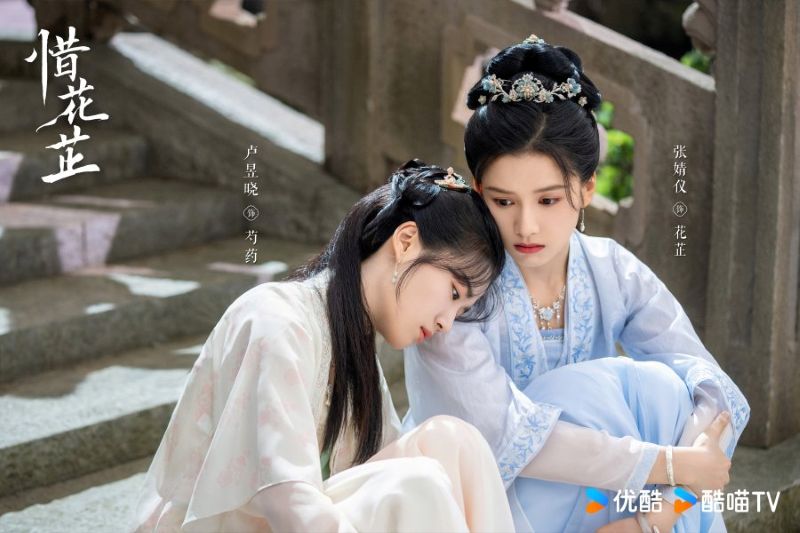
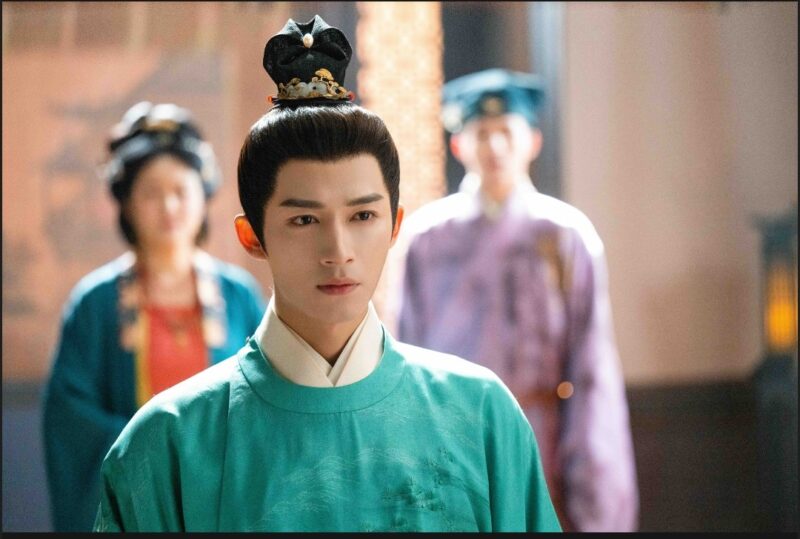
Wang Xingyue as Chai An in “Perfect Match” (Photo from netflix.com)
The pro-women slant of Perfect Match and Blossoms in Adversity, two of the Chinese dramas streaming on Netflix, is too obvious to miss. It isn’t the usual extreme view of hating men and bringing about their downfall; it’s the idea of self-empowered women living in imperial China, where the dramas are set.
The series dives into the problematic role of women as objects of adoration with the sole purpose of reproduction, linking it to how cultural norms prevent women from evolving, while men have more leeway to grow, and to make and then atone for their mistakes.
The strong, wise women are Madam Li in Perfect Match and Hua Zhi in Blossoms in Adversity. In accepting the role of leader of the family, they illustrate the Chinese proverb “Women hold up half the sky” that calls for a rethink of the traditionalist view of women as limited only to the domestic sphere.
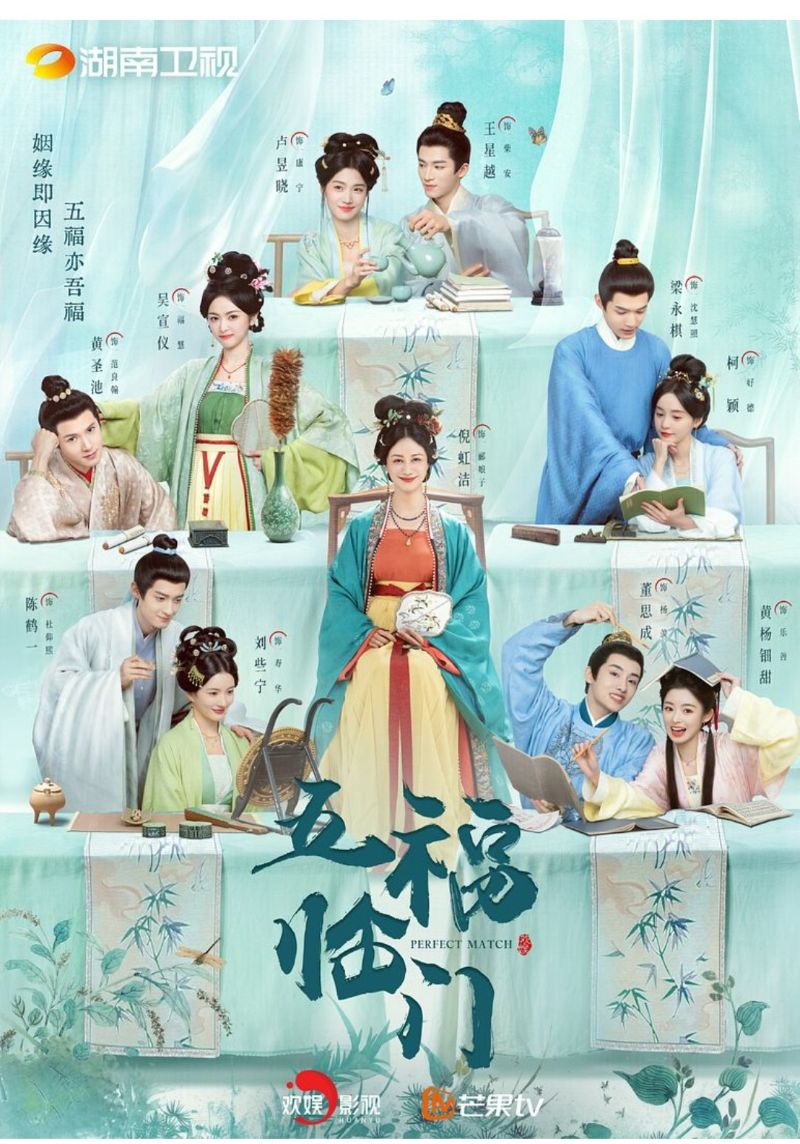
The Six Tigers of ‘Perfect Match’ (Photo from netflix.com)
Perfect Match is the 36-episode cinema translation of Jane Austen’s Pride and Prejudice, except that the Li women are smarter and more fortunate (Elizabeth Bennet is the only intelligent Bennet sibling). All the Li women have supportive husbands compared to the Bennets: Mr. Bennet can’t stand his wife, the youngest daughter marry a selfish cad, and two remain single.
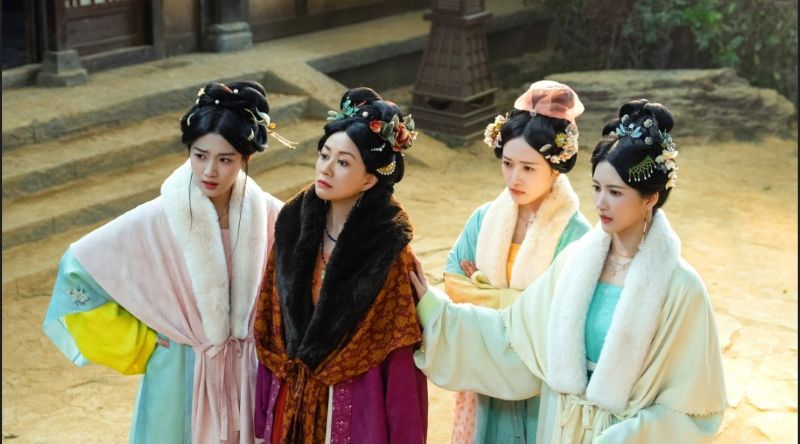
Madam Li (second from left) meets challenges head on. (Photo from netflix.com)
Madam Li (Ni Hongjie) and Mrs. Bennet are markedly identical in their maternal duty of finding good husbands for their children. But they are poles apart in caring for and understanding their daughters. Mrs. Bennet is toxic and pushes her daughters to accept the first marriage proposal quickly, like that of the obsequious clergyman Mr. Collins proposing to Elizabeth (she rejects it). She also easily believes that outer appearances equal husband material, like George Wickham who is solicitous, versus Fitzwilliam Darcy who seems unkind with his straightforward manner.
In contrast, Madam Li isn’t obtuse. Indeed, she wants to see her daughters married, but she respects their wishes if they don’t want to and want the men to be worthy to be part of their family.
Madam Li becomes the family’s protector following the deaths of her husband Li Changan (a cameo by Li Yin Rui, who plays General Song Mo in Blossom) and her son Fan’er. Alone in Luoyang, she raises her children to be fierce and protective of each other, breaking the mold of the docile woman. She relocates with them later to Bianjing to escape their greedy relatives and to have a fresh start.
Ni Hongjie portrays Madam Li without the typical histrionic outbursts of a wronged, overly proud mother, like the mother in the K-drama Something in the Rain. Hers is a balanced depiction of vulnerability (as widow and single parent) with strength (as protector), which perhaps has been shaped by Hongjie’s own life experiences. (Her parents were busy working and so she lived with a violent, alcoholic uncle, grandmother, and aunt, and she had to pay her ex-husband’s business debt of US$1.4 million even after the divorce.— scmp.com).
Madam Li isn’t an old spitfire bully, but an independent, intelligent matriarch in an imperial patriarchal society. Remarkably, she gets back up on her feet again, no matter how many times life throws spanners at her.
Madam Li isn’t an old spitfire bully, but an independent, intelligent matriarch in an imperial patriarchal society
The Li women are nicknamed “The Six Tigers.” They neither cower in abject submission to anyone nor turn away from pursuing the truth when they know something reeked of malicious falsehood. Shouhua, the eldest Lady Li, is a widow, dutiful and reserved like Jane Bennet, but sharper than Jane. She isn’t thinking of remarrying but has to save sibling Kangning from ignominy, and thus marries Du Yang Xi, the scholar Kangning jilts for Chai An, her first love.
Fuhui, the second Lady Li, is married, known for her fiery temperament and explosive bursts of jealousy because of her husband’s flirtations. She browbeats him, and he fears her, much to the chagrin of Chai An, his cousin.
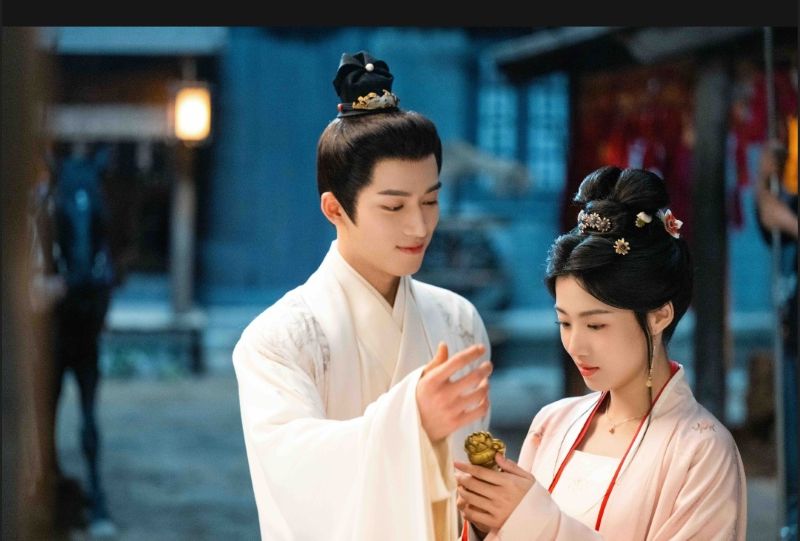
Chai An and Kangning — from rivals to married couple (Photo from netflix.com)
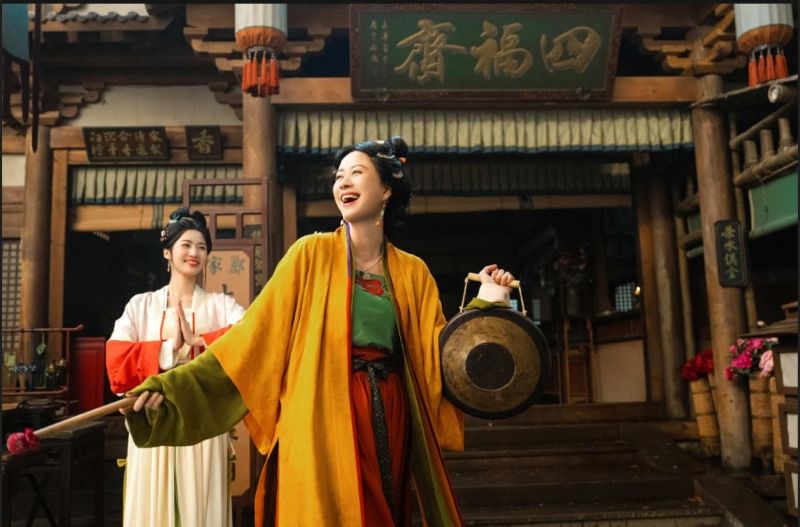
Madam Li at her Sifu Teahouse (Photo from netflix.com)
The third daughter, Kangning (Lu Yuxiao, is independent like Elizabeth Bennet, which further brands her as the “rogue tiger.” She and Shouhua are the thinkers in the family, who gets everyone out of predicaments, like suspected murder, harassment, divorce (anathema to women), and threats to Sifu Teahouse, their family business. She finds a perfect match in Chai An, who becomes her husband. (Lu Yuxiao is a versatile actress, transforming from a woman with autism in Blossoms in Adversity to the rogue tiger in Perfect Match.)
The other two daughters are equally spirited. Haode, the fourth daughter, pursues Shen Hui Zhao, a straight-laced magistrate, until he accepts her. On the side, she assists him in settling court cases. Le Shan, the youngest Li, who finds herself married to toughie Yang Xian, meets his intimidations. Ultimately, she becomes the catalyst for his transformation from ruffian to upright citizen.
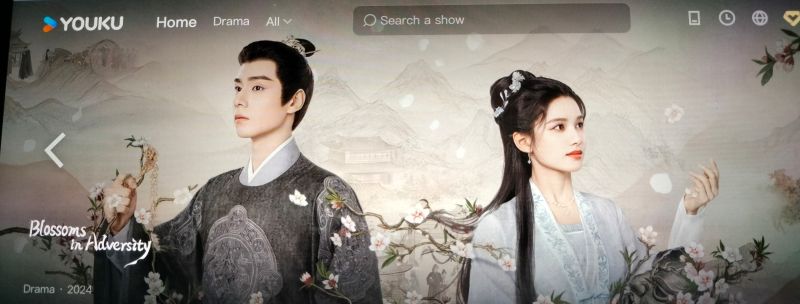
Hua Zhi and Yanxi face challenges in “Blossoms in Adversity.” (Photo from mydramalist.com)
Blossoms in Adversity is a 40-episode cinematic homage to the folk tale Mulan. Hua Zhi, played by Zhang Jingyi from Lighter and Princess, becomes her family’s savior after the Emperor exiles her grandfather, Imperial Censor Hua Yi Zheng, and her uncles to hard labor in Sanbai City. It is punishment for Yi Zheng’s frank opinion about the rampant corruption in the kingdom and the Emperor’s ineptitude.
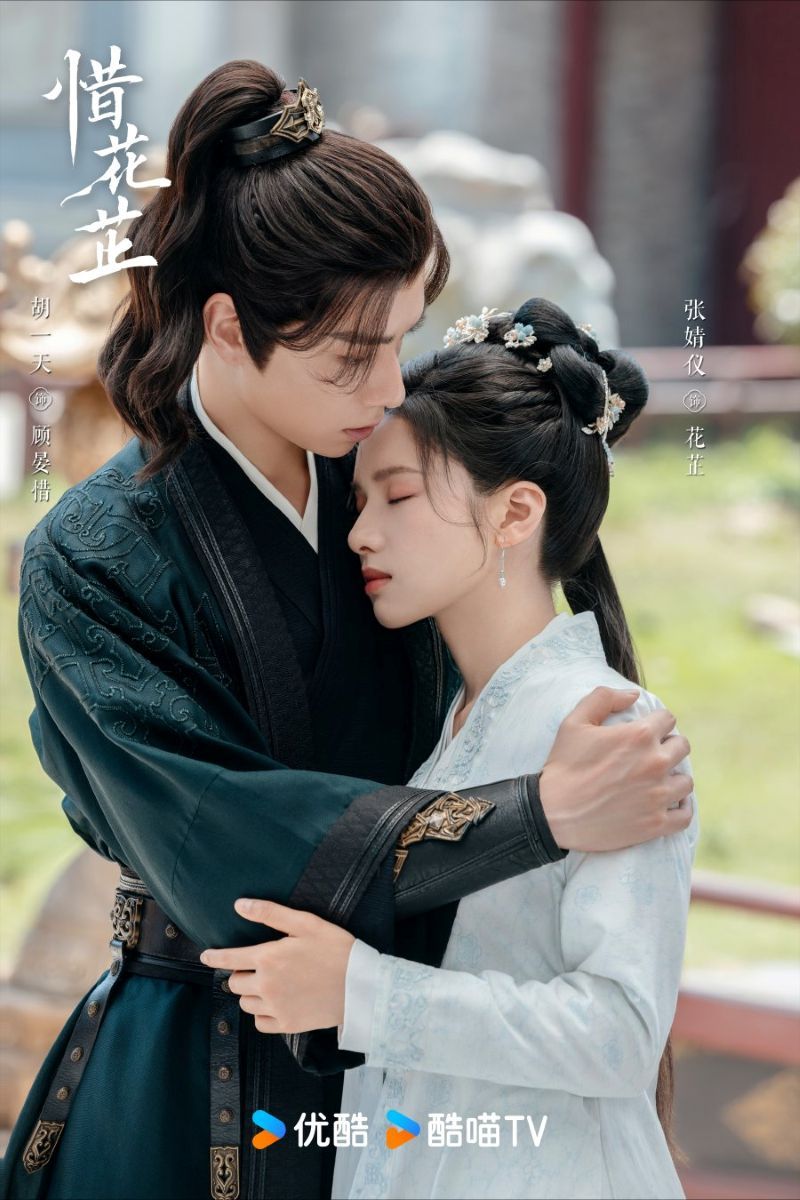
Hua Zhi and Yanxi weather hardships together. (Photo from mydramalist.com)
Hua Zhi, like Mulan, takes over the duties of the men in their absence. She has a shaky start, being estranged from her grandmother, mother, and aunts. She resents all, as none of them shares hers and her grandfather’s interest in astrology, learning, and sea voyages. That she is her grandfather’s favorite doesn’t ease the simmering animosity.
Tellingly, Hua Zhi is pragmatic and does the jobs reserved for their servants. Her aunts and mother find such tasks an affront to their aristocratic status and cling tenaciously to the belief that a man would solve their problems. After her aunts and mother are swindled by a male acquaintance, Hua Zhi appoints herself head of the family with help from her grandmother, who throws in her lot with her.
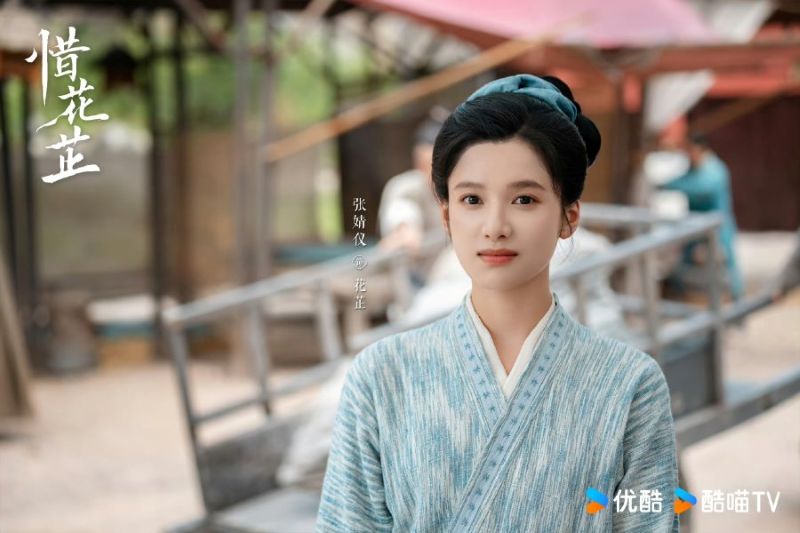
Zhang Jingyi as Hua Zhi (Photo from mydramalist.com)
To alleviate their penurious state, Hua Zhi becomes a couplet writer and then a vendor of candied hawthorns, a task she builds into a pastry and restaurant business. She braves the contempt and ridicule of strangers (and family) for engaging in lowly work. (Imperial China’s social structure preserved the aristocratic oligarchs and considered the merchants and laborers as lowly.)
Hua Zhi is revolutionary. She abolishes the system of indentured labor, releasing her family’s servants by burning their contracts and giving them options: stay as house help, be an employee in her food business, or return to their homes. She empowers women to make themselves better: Fudong, her maid, becomes her head chef in her restaurant Zhiming, and her aunt, Hua Xia Jin’e, rediscovers a skill in accounting.
Hua Zhi was revolutionary. She abolished the system of indentured labor, releasing her family’s servants by burning their contracts and giving them options
Hua Zhi takes care of Qin, her uncle’s concubine, when she falls ill and forgives her as a complicit with her first aunt, Hua Jing, who’s after Hua Zhi’s ruin. Instead of taking Qin to the Security Bureau where she is likely to be executed or exiled, she grants her a divorce from her uncle, thus giving her the chance to be her own person. The divorce automatically makes Qin homeless, but Hua Zhi lets her live with the family. (Like indentured servants, concubines are objects given, bought, and sold.)
Hua Jing and her niece are polar opposites. Hua Jing blames Hua Zhi and her mother for her own state as a battered wife. She also treats women of lower social rank as tradable objects. She demands that Hua Zhi turn over one of her maids to be her husband’s concubine.
Shaoyao, a stranger with autism and an autodidact in medicine, is another woman who Hua Zhi helps. Hua Zhi heals Shaoyao of the trauma of losing her mother in a fire, helps her reconnect with her estranged brother, and frees her from the house arrest imposed by her father’s consort.
Actor Wang Xingyue is my primary reason for watching Perfect Match, after seeing him as the captivating Duke Su in The Double. Xingyue metamorphoses into the successful merchant Chai An in Perfect Match—he is formidable but less fearsome than Duke Su. No woman remains unmoved by Chai An’s charm and words, until he meets Kangning, who brushes him off. To his confusion, he finds her at once irritating and “refreshing and stunning.”
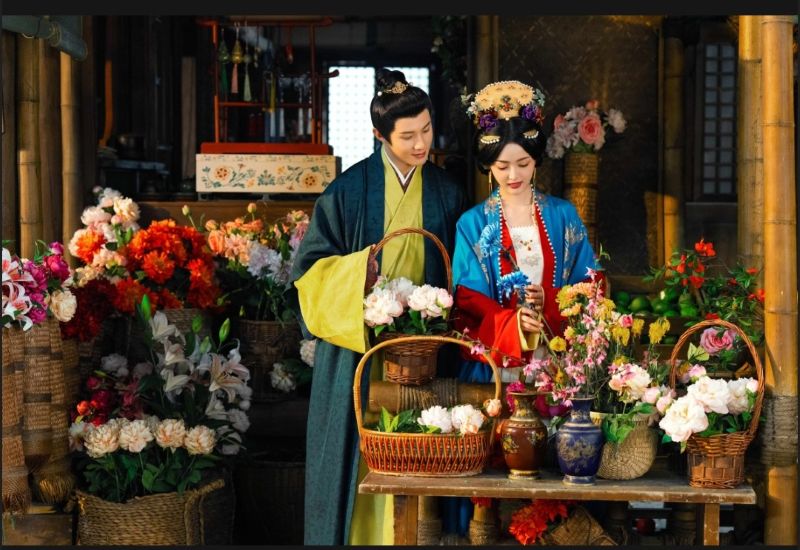
The cheeky second Li daughter Fuhui (Photo from netflix.com)
Chai An is a voice of reason. He mediates his cousin Fang Lianghan and wife Fuhui’s perpetual squabbles, advising Lianghan to be more responsible and Fuhui to not “break the rules of divorce out of temper and jealousy.” Significantly, Chai An and his brothers-in-law help push the message across of cooperation, not subjugation, between genders. They understand and value their wives’ opinion that women are capable and need to be heard and respected like men. They also abide by their wives’ edict of “no concubines.”
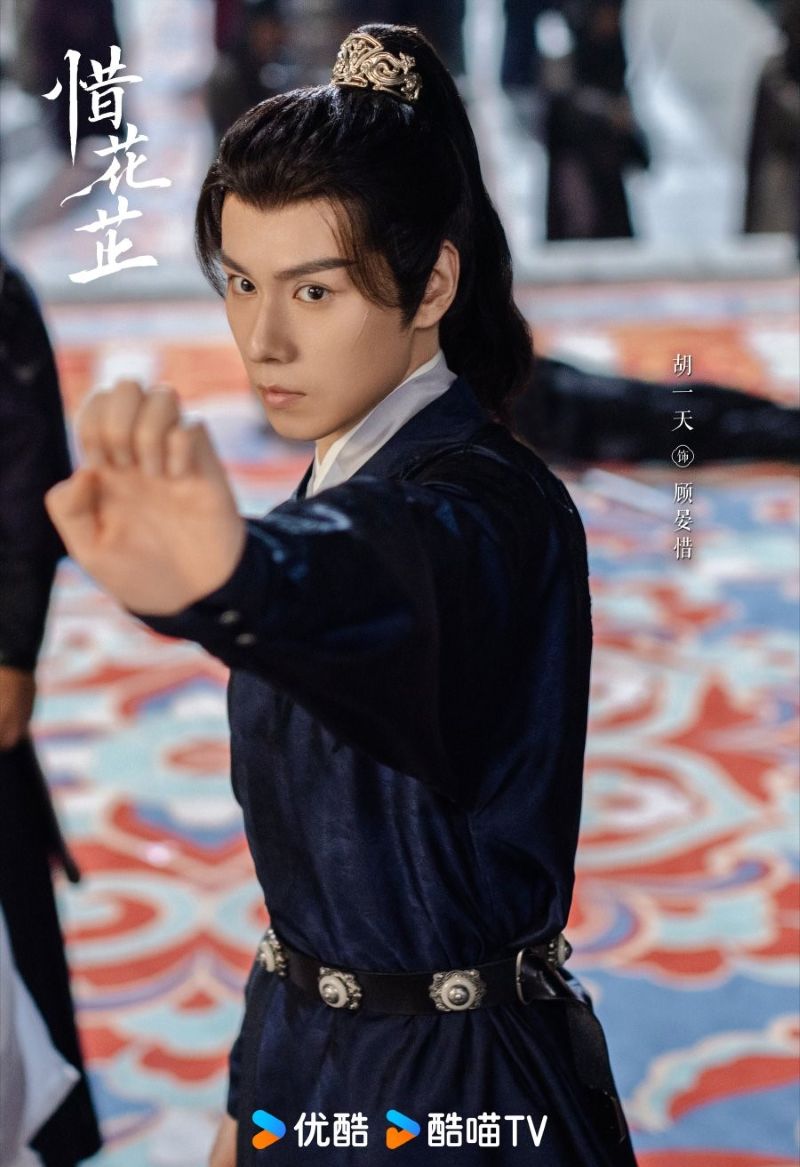
Mr. Yan, Gu Yanxi’s alter ego (Photo from mydramalist.com)
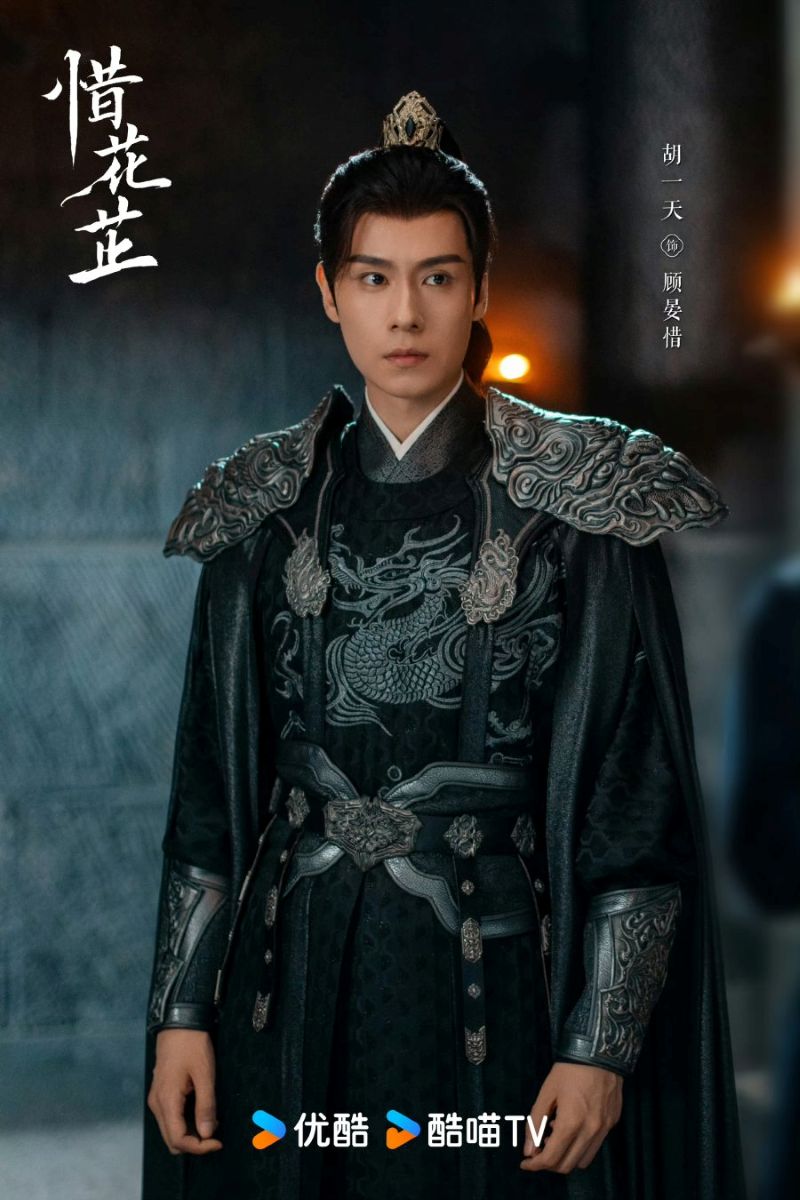
Hu Yitian as Gu Yanxi (Photo from mydramalist.com)
Gu Yanxi (Hu Yitian) in Blossoms in Adversity is the parallel of Chai An, supporting Hua Zhi but under the guise of the mild-mannered Mr. Yan. Yanxi and Hau Zhi meet by chance in Daqing—he’s just arrived from the northern border after a decade of guarding it from invaders, and she is collecting an astrological device. He is left awed by her kindness and, in their subsequent meetings, by her grit and intelligence. Hua Zhi rescues him when she, on horseback, charges through the killers encircling him and his men. Next, grabbing a sword, she hacks at a rope to let loose an avalanche of boulders that kill Yanxi’s attackers.
Yanxi’s life is complicated, hence the furtiveness. He is a royal and a newly appointed commander of the Secret Bureau, which conducts clandestine intelligence gathering and investigation. The frosty swordsman is a de facto Emperor. His words are law, and defiance of them means death, and he has freedom of movement and speech. Nonetheless, he is shackled to his social class, particularly to his position because he can’t oppose his uncle, the Emperor,
He is a lone wolf bereft of parental love— his mother dies in a fire and he and his father are estranged. By and large, his relationship with the Emperor is utilitarian. Strikingly, he isn’t patronizing towards women and never belittles Hua Zhi or undermines her authority. His flaw: He is a stickler for rules.
Madam Li and Hua Zhi leave the kitchen and step into the world that always put down women and their contributions to family and society—but they never give up. Madam Li gives her daughters good lives and imbues them with self-love. Hua Zhi puts her family before herself and springs into action to bring them back.
Reality doesn’t always equal fiction, but Madam Li and Hua Zhi are reminders that women blossom in adversity and that they hold up half the sky.


