
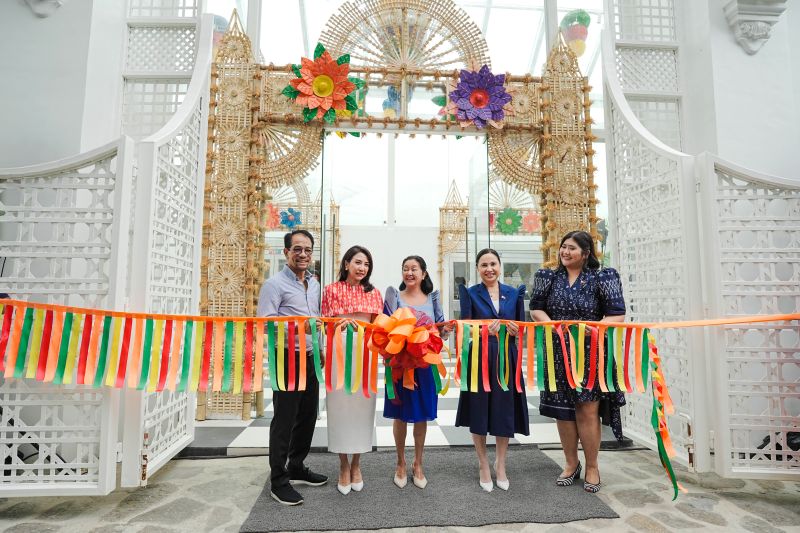
Likha 4: Likha Ko, Lahi Ko was an artisanal event that aimed to connect talented Filipino artisans and their craft with Metro Manila. It was held in the lead-up to Independence Day last June 6-8, 2025 at Foro de Intramuros. The event featured over 60 artisans and designers, both new and familiar.
The space, when you first entered, was inviting and spacious, with its high ceilings and wide aisles for browsing. Your eyes first fell on the large-scale puppets sitting among distinctly Filipino furniture and bright household items like pillows and rugs. You felt overwhelmed initially, seeing the variety of crafts all throughout the venue. My eyes practically glazed over at first, because there were so many bright and interesting things, I couldn’t settle on a single aisle at first.
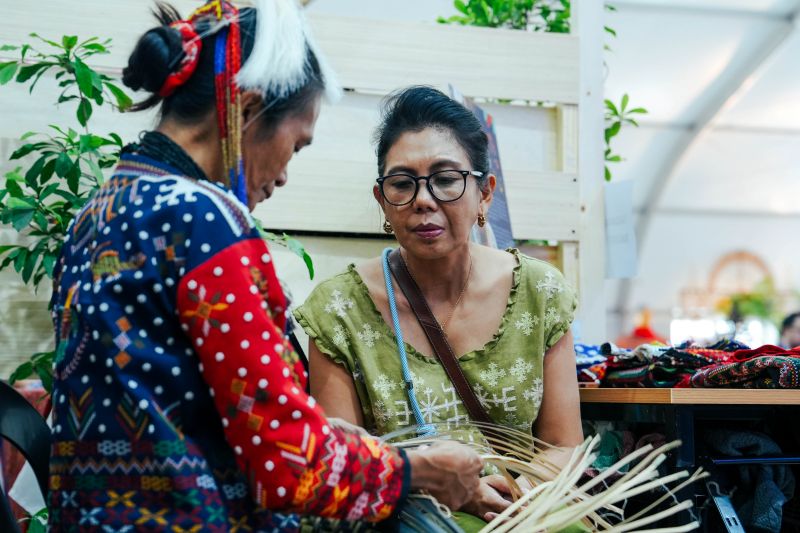
The pioneer of contemporary Filipino artisanship, Len Cabili, interacting with one of the artisans in ‘Likha’
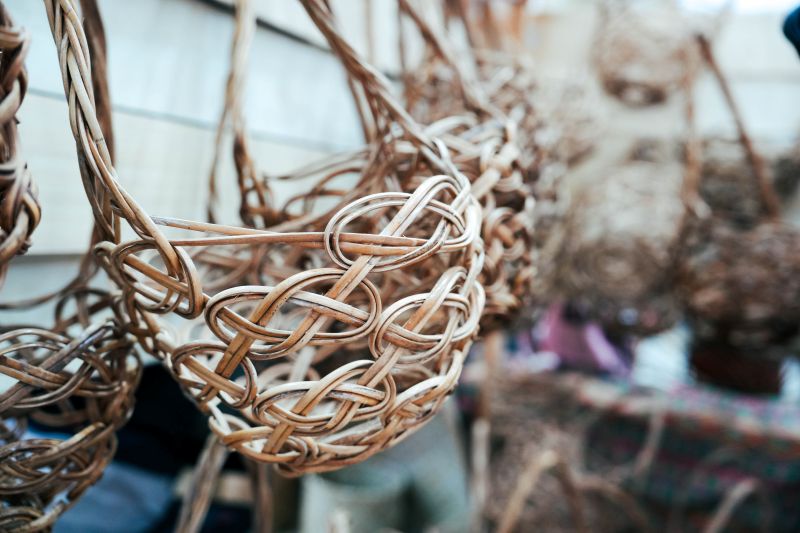
Basketry is a Filipino craft that must be projected to the world.
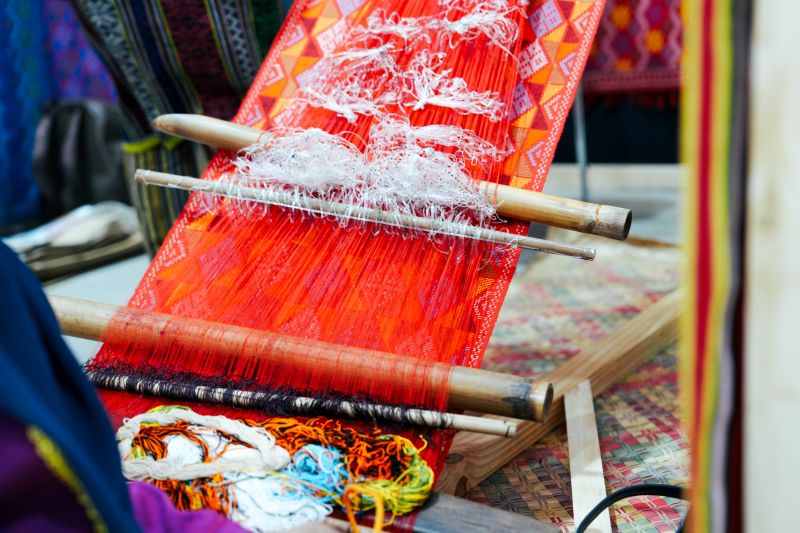
As I browsed the aisles, I found myself enchanted by all the crafts and items being put up for sale. Some were large, like actual furniture pieces, others were small and delicate. There was even a weaver demonstrating hiscraft right on the venue floor, where you got to see how they made the textiles we’ve come to consider synonymous with Filipino craftsmanship. It was a mesmerizing watch, as you could see every single thin line turn into a large piece of tapestry. The complex patterns were done, line by line, and by a single weaver.
You learned to appreciate how long it must take artisans to create even a single piece. In an age of large machinery and fast fashion, events like Likha aim to highlight the slow, diligent creation of the pieces featured on the floor. Though there are many buyers turning to more intentional purchases, artisanal products can be hard to procure the rest of the year, which is where Likha comes in, bringing artisans together under one roof. 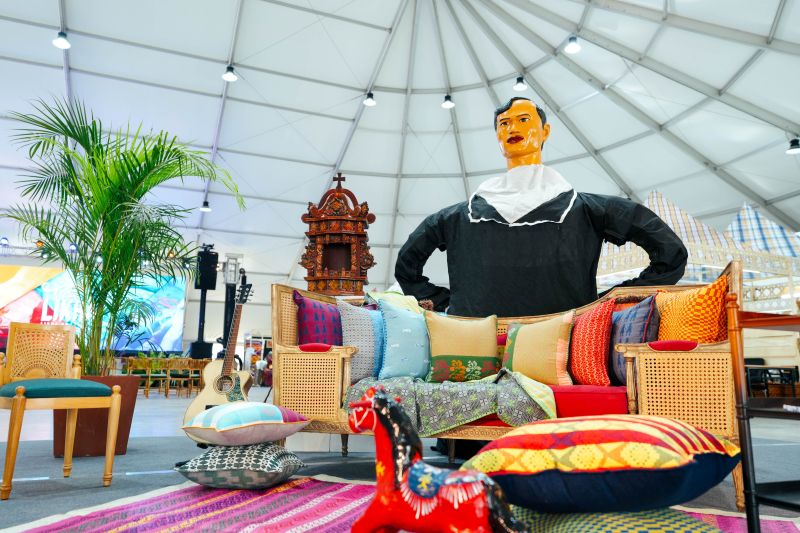
Here, you were encouraged to not just purchase, but also engagewith the artisans. It was one thing to see them as creators, and another to listen to their stories— something that Likha also wanted to encourage. Hearing their stories and the histories of their crafts, you learned not only about them, but also about our Philippine history. Crafts and creations come out of necessity and the creativity of a nation. Our ancestors created with the materials around them. The items sold at Likha showed our histories, and are a large part of our identity as Filipinos. 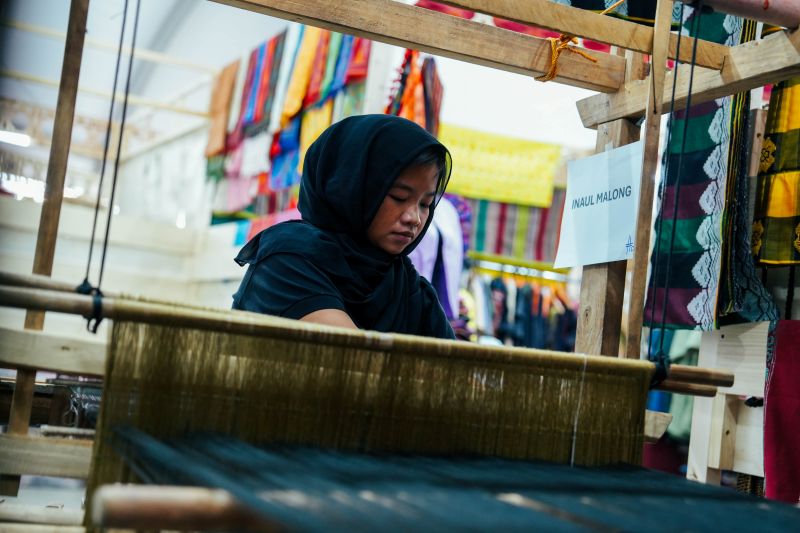
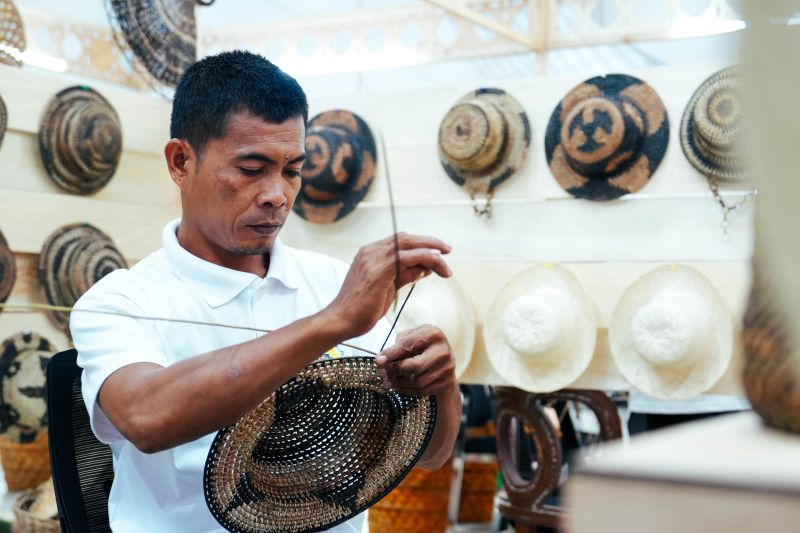
Events like this are becoming more important at a time when globalization is connecting us with people around the world more than ever. People’s preferences and tastes are becoming more homogenized, to the point where trends are getting recycled at an unprecedented rate. There are plenty of negative effects, however; the ramifications of such hyper-globalization are many. But for what it’s worth, events like Likha are a chance for people to look inward and towards local artisans with unique, handmade, and high-quality pieces. 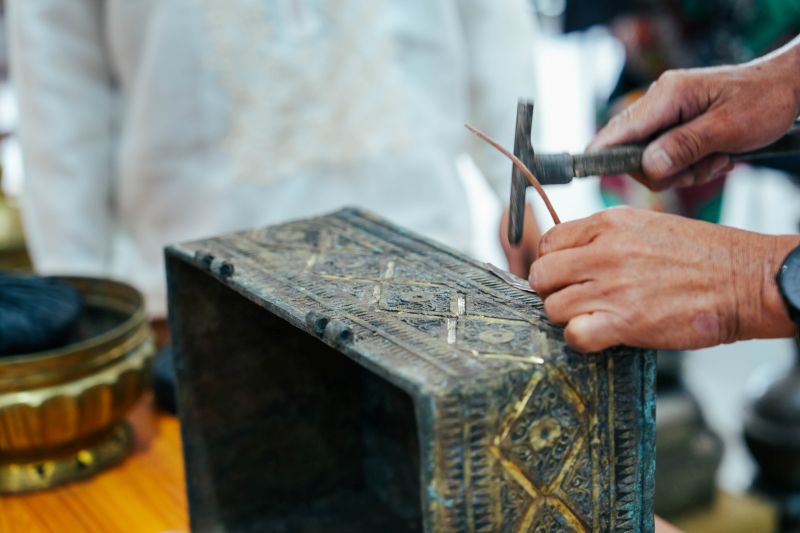
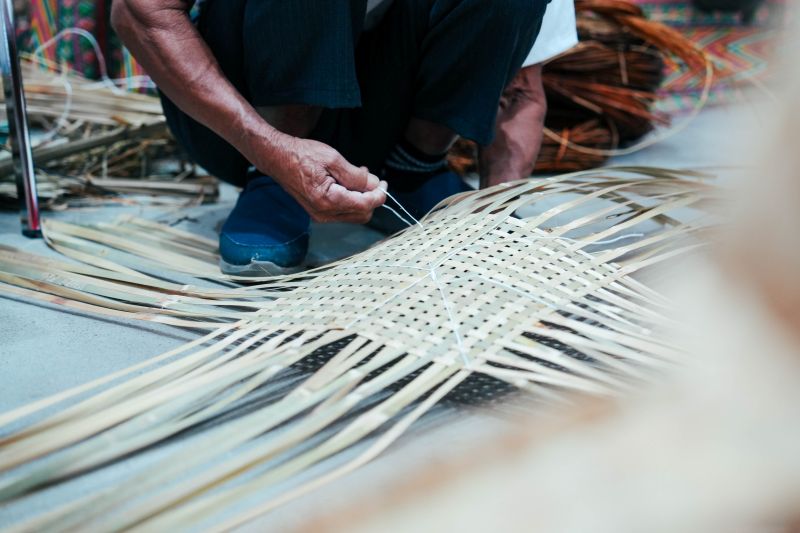
Their creations cannot be mass produced, and that’s the beauty of it. Not only are we supporting them, but also we help them continue their craftmaking for future generations. Every purchase and story that we remember about them is assurance that our Filipino identity doesn’t get forgotten in an increasingly fast-paced world.
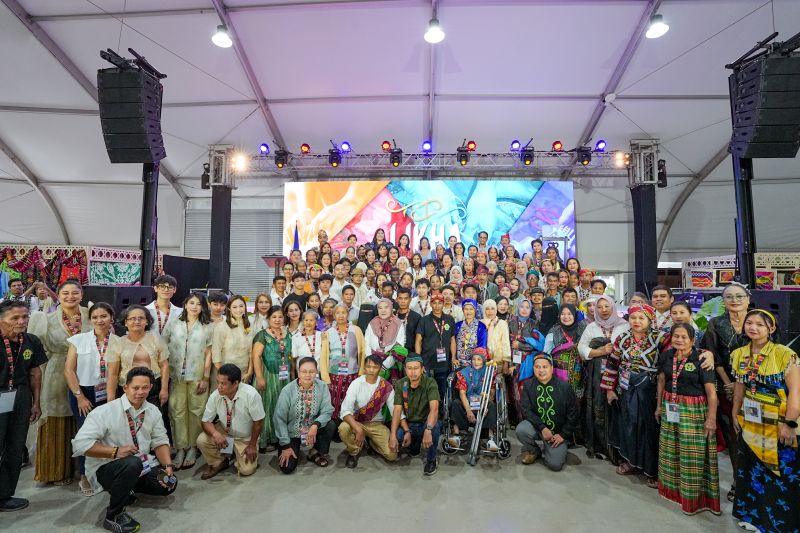
The artisan and creative community of ‘Likha’


