
On a recent buying trip, style maverick and entrepreneur Ito Kish bought a Xiaomi massage gun with four attachments for the equivalent of P3,100. A friend asked him to get one, too, but by the following day, its peso price had climbed to P3,800 because of the exchange rate.
“In less than a day, the difference was P700, equivalent to a day’s salary for an ordinary Filipino,” he says. “How do you deal with that? What happens if the exchange rate reaches P70? Everything will go up, including bagging and logistics.”
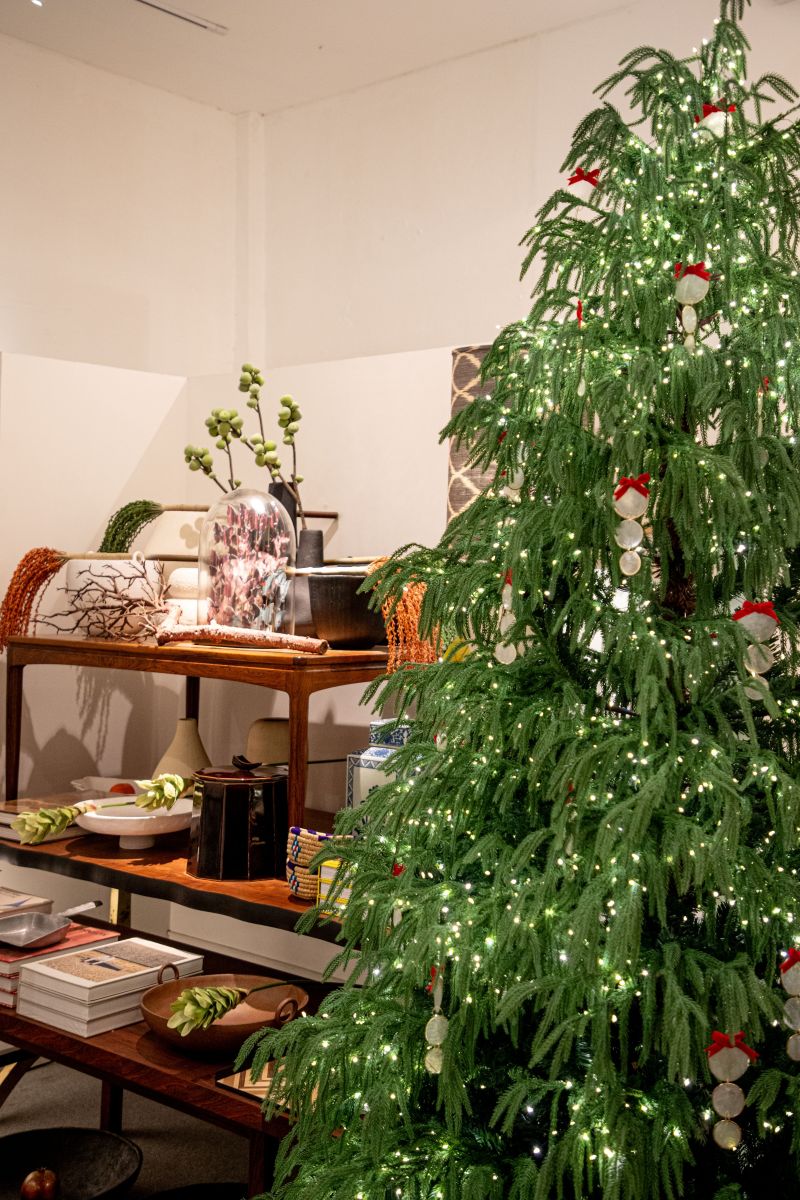
The silent pine tree beside a shelf of books from Phaidon
With prices and gasoline costs rising, many Filipinos are wondering how much they will have left to spend on Christmas. At the Ito Kish store, however, the holiday spirit is in full display. The entrance sets the tone. A darkened vestibule, the shop’s signature feature, serves as a stage for changing thematic displays. For Christmas, a row of trees greets visitors, their silhouettes outlined by firefly lights.
Inside, the showroom unfolds through spontaneously arranged vignettes that bring together furniture, lighting, and decorative objects. A Christmas faux pine dressed in fairy lights and small capiz orbs with red bows takes center stage, while a nearby woven console holds glass cloches and botanical arrangements.
The Christmas touches continue down an interior hallway, where another woven console designed by Kish displays a table lamp, glass cloche, tall vase with an elegant plant, and a pomegranate atop a book. A glowing Christmas tree at the far end adds warmth to the predominantly white space.
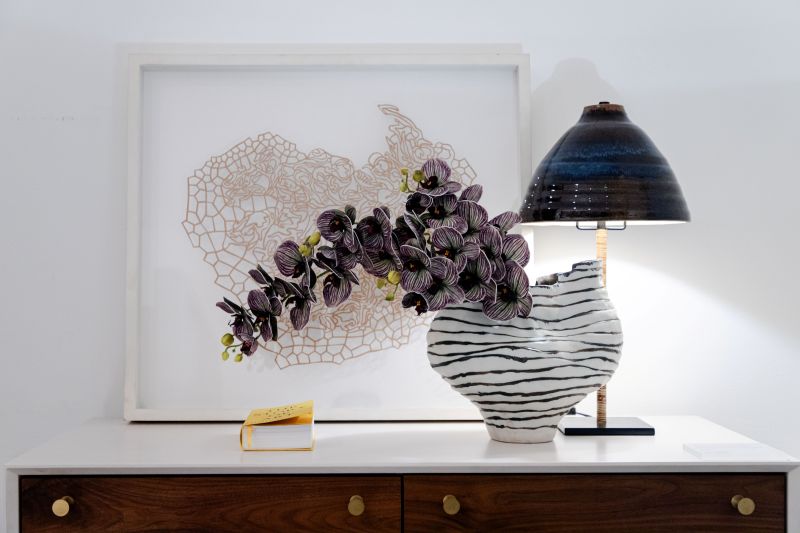
A sculptural black-and-white ceramic vase filled with purple orchids anchors this elegant vignette, complemented by a dark textured table lamp, framed line art, and a warm walnut console.
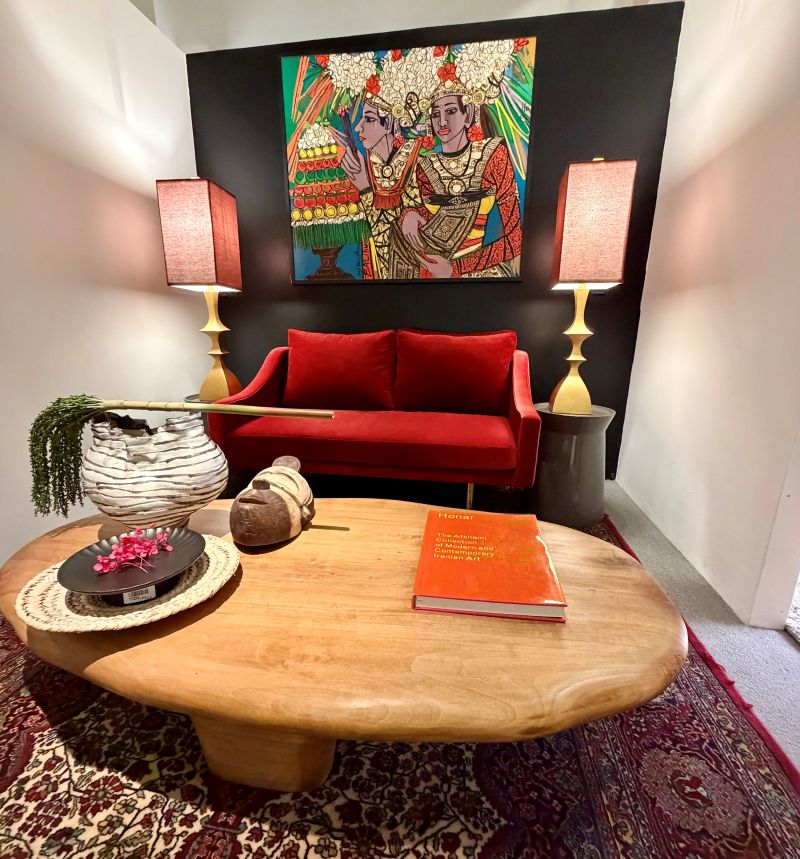
How Kish would decorate a condo, using the velvet seater from Organic Modernism and Indonesian painting as anchors
Against a dark backdrop, antique wooden chests with richly grained surfaces and ornate brass fittings are paired with botanical displays. Patterned ceramic vases hold orange and green berries, trailing silk orchids and greenery, while a sculptural bare branch rises from a tall textured vessel. In a smaller room, a large green vase filled with orange berries sits among patterned ceramic vessels and an abstract gold vase. Kish plays dark European furniture against vivid colors and organic forms.
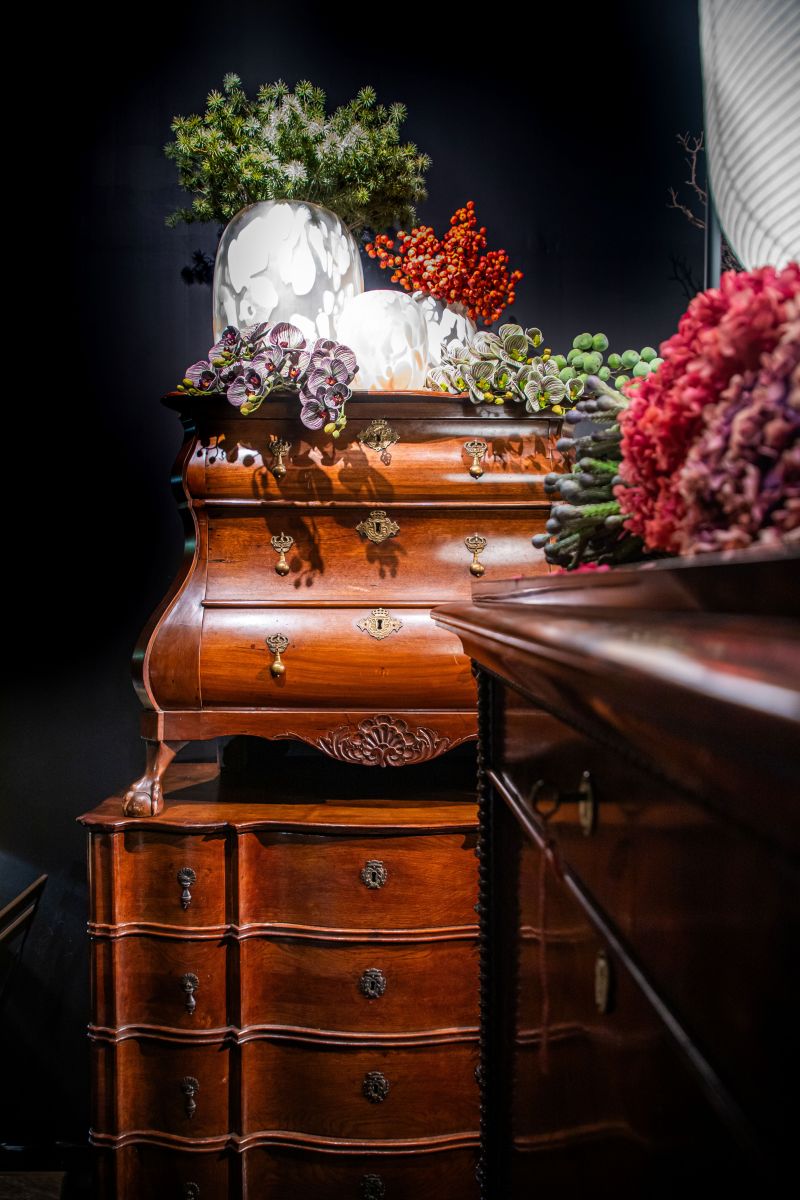
European classics with faux foliage
“We rearranged practically the entire store for Christmas,” says Kish. “I was surprised when I finished everything. I thought, ‘My God, after more than 25 years, I still love what I do.’ You cannot come up with something like this if you don’t love what you’re doing. Anywhere you look, there’s a story.”
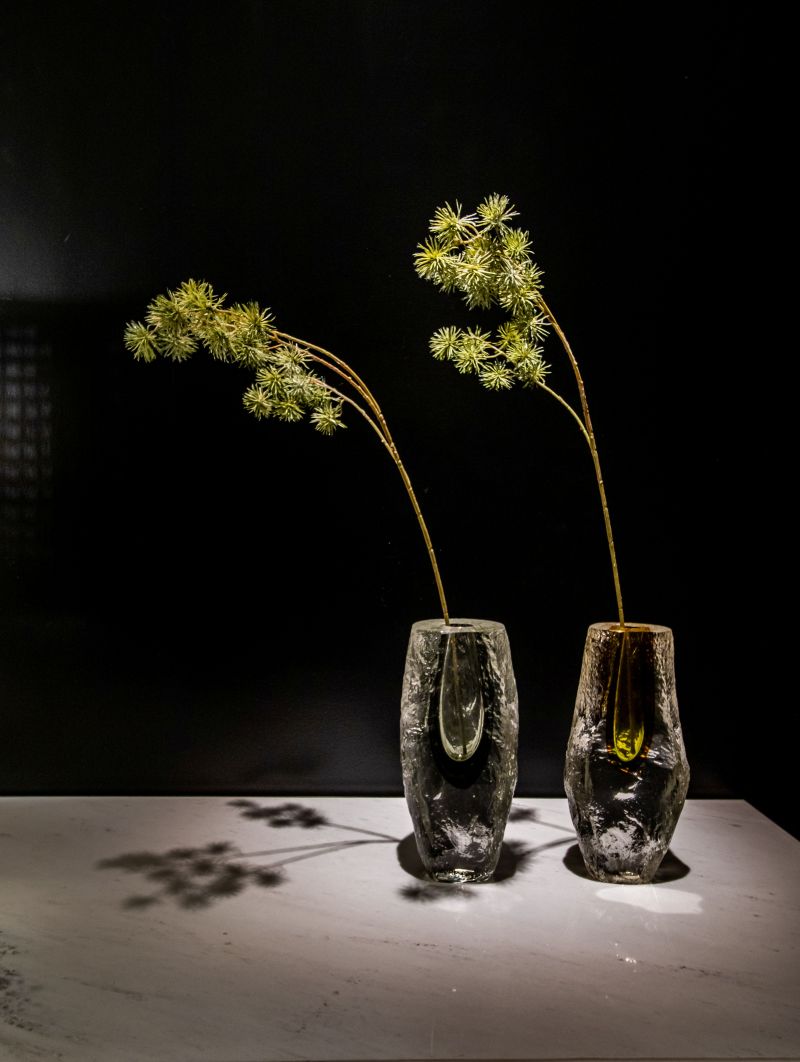
Sculptural glass collection
Some stories emerge through smaller displays. Two textured glass vases holding slender flowering branches stand against a dark backdrop, their shadows thrown across the surface by dramatic lighting. Nearby, white resin hands cradle a botanical stem with a rustic seed cluster, adding a human touch to the natural elements.
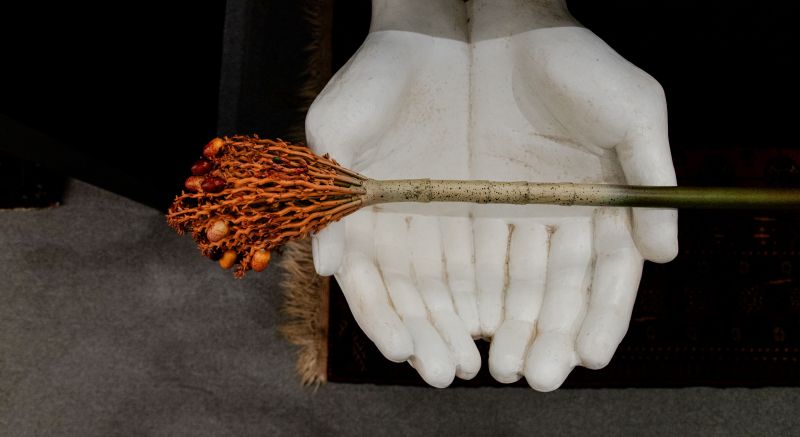
Oriental hands from India
Other displays feature longstanding pieces from the Kish collection. The red midcentury velvet sofa has been a bestseller for years. A deep green version sits elsewhere in the store. These sofas were made in China by Organic Modernism. The brand had long been a staple of his midcentury modern collection until the Belgian owners sold the company to a Chinese buyer four years ago. The new owner closed the brand last year, unable to sustain production as solid wood costs rose.
“That’s how difficult things have become,” Kish says.
As a vignette, the red velvet two-seater is flanked by tall lamps with sculptural gold bases. Above it hangs a colorful painting of two Balinese dancers. These elements are juxtaposed with an organically-shaped wooden coffee table which holds a textured glass vessel, carved wooden sculpture, and book on contemporary art.
The opposite living room arrangement pairs new lamps with Filipino ambassador chairs inlaid with mother-of-pearl and a Persian carpet. “This is how I imagine a living room in a small condominium,” Kish says.
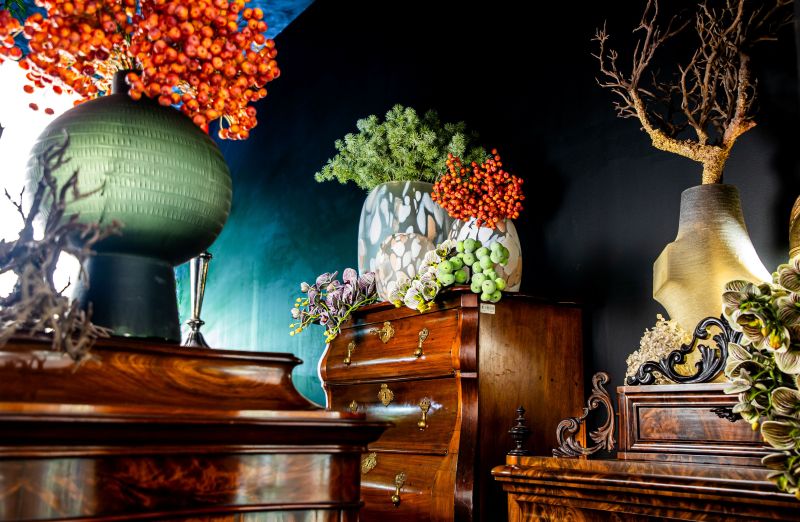
Flora and Fauna collection
Throughout the store, Kish arranges merchandise so customers can appreciate individual pieces rather than see them lost among rows of products.
“We don’t want the store to look like a warehouse, or like some shops where things are simply placed on shelves without much thought. Everything has to be arranged so customers can easily see the items and understand what they’re looking at,” he says.
‘We don’t want the store to look like a warehouse, or like some shops where things are simply placed on shelves without much thought’
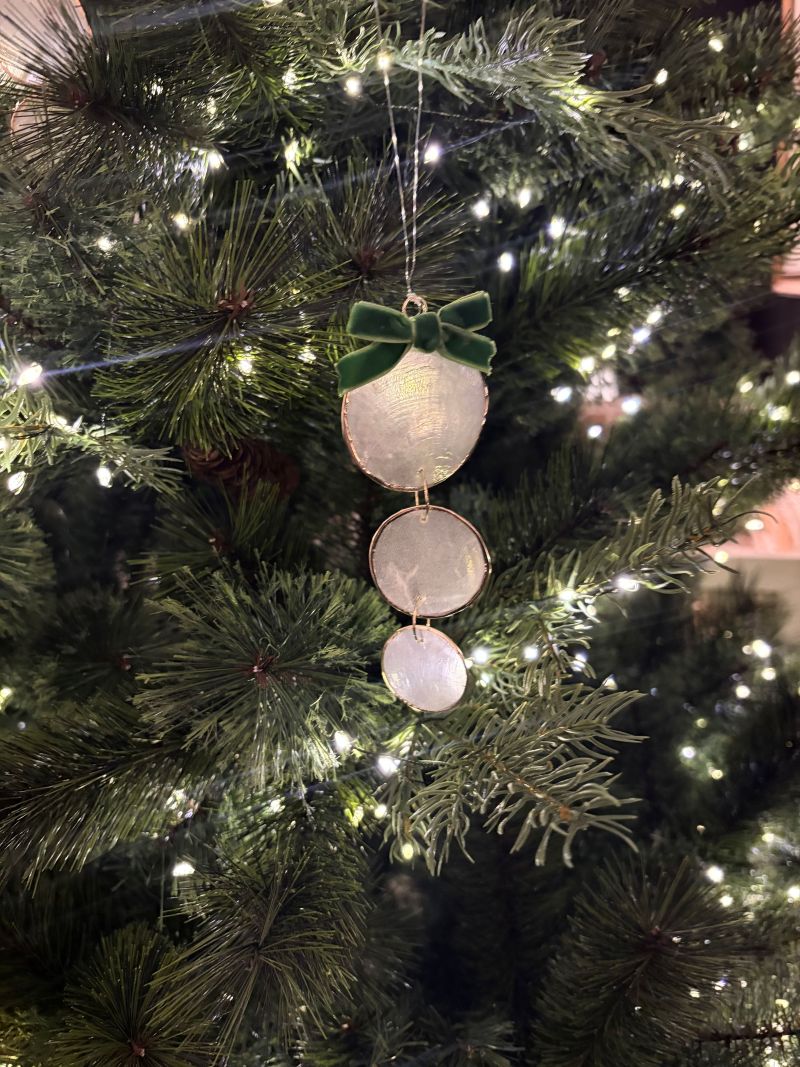
Shell decor from Parañaque craftsmen
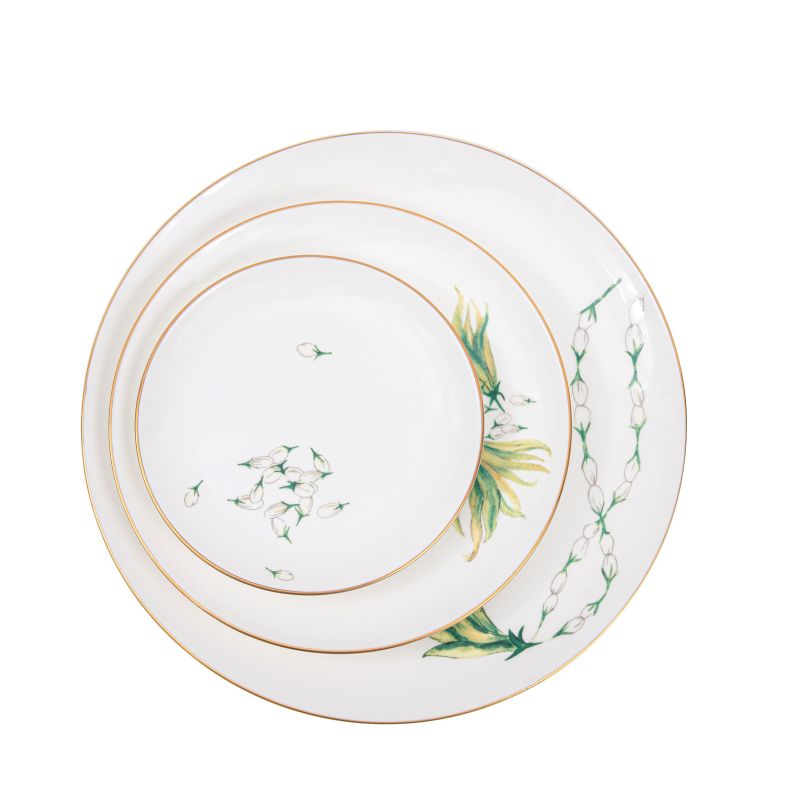
Halimuyak bone china
Since the Christmas collection launched in October, the eight-foot faux fir trees fitted with fairy lights, priced at P19,500, have been popular. So has Halimuyak, a six-piece bone china dinnerware set with sampaguita and ilang-ilang motifs. Another offering is Tanglao, a box of 12 capiz tree ornaments combining decorative orbs and dangling pieces made in Parañaque.
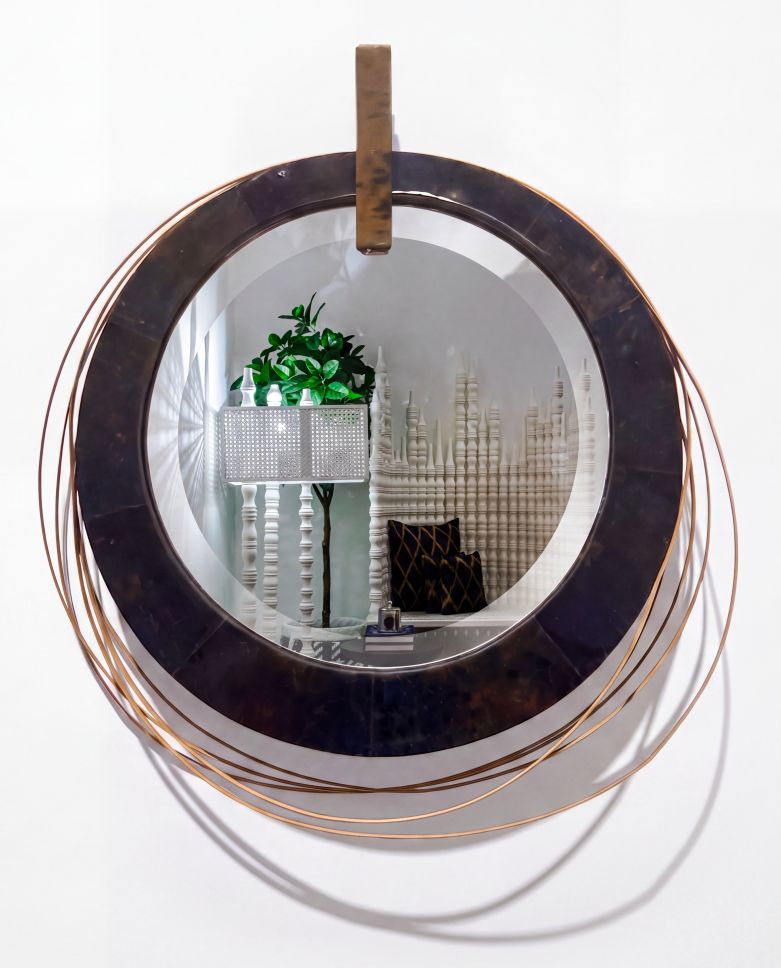
Lawod mirror
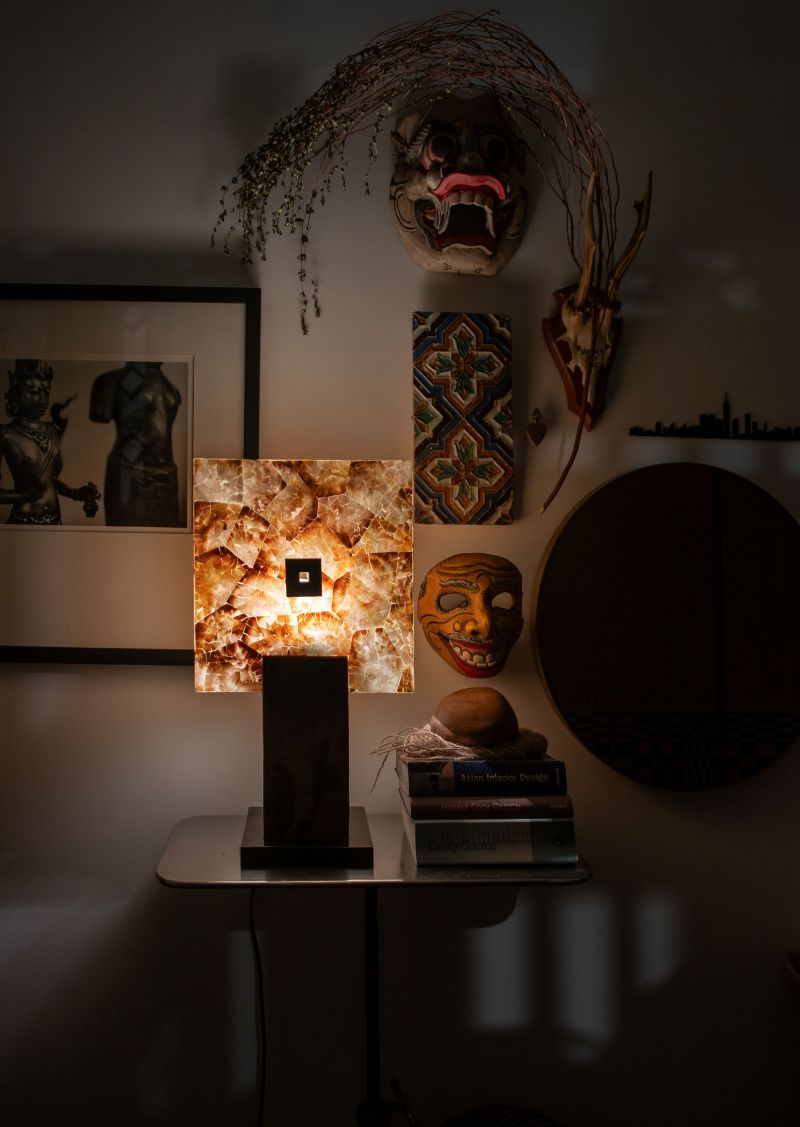
Lawod lamp
Ito Kish Design has also introduced Lawod, a collection of mirrors, tables, and decorative pieces named after the Cebuano word for seashore. It incorporates different types of seashells gathered from the ocean that are transformed into decorative mirrors, a lamp, and a side table.
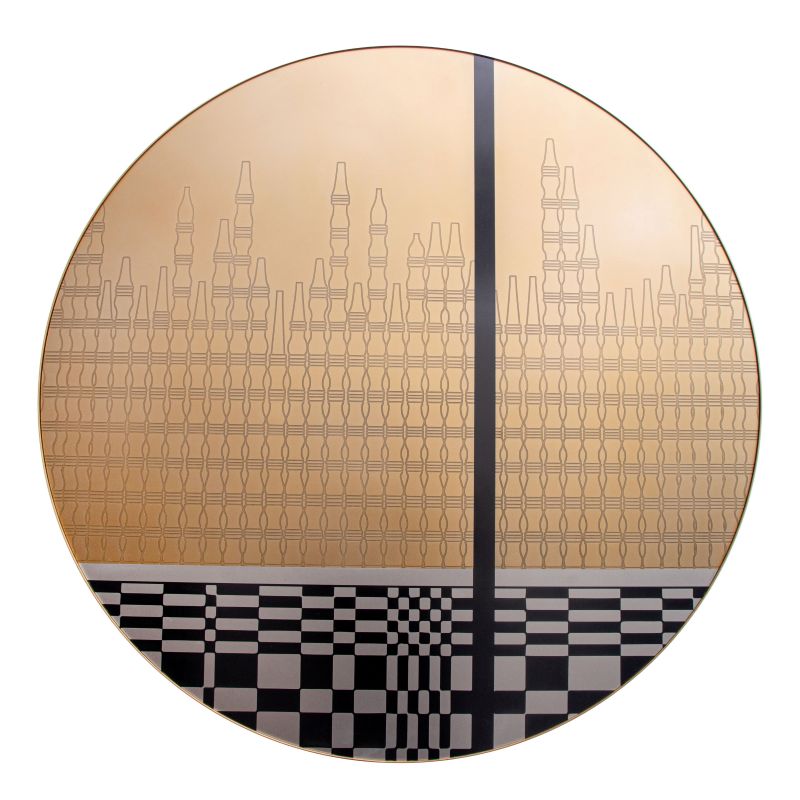
Wall art carved with baluster design and ‘inabel’ geometrics
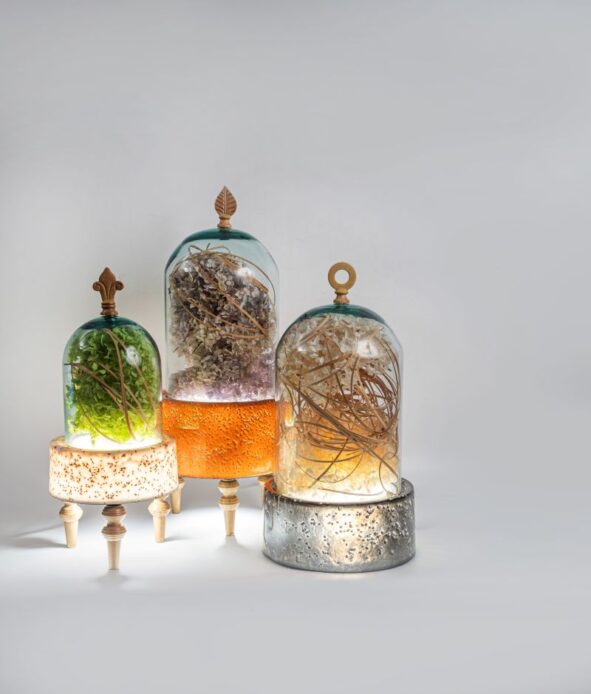
Another addition is a series of etched metal wall panels featuring motifs from Kish’s furniture, such as the signature solihiya patterns and traditional baluster forms. These wall artworks can be grouped together or displayed alongside the returning Busilak bell jar lamps, back after a decade.
Resuming production of the bell jars was no simple matter. Each piece depends on five suppliers, Kish explains. Apart from the glass, separate suppliers provide the handle, plate, and base, with the components assembled locally.
“The bell requires five different suppliers just to complete one piece. If one supplier closes down, you have a problem finding a replacement. We lost our glass supplier for a while. Then San Jose Glass, the supplier in the Philippines for the recycled glass, reopened, allowing us to produce the bell jars again.”
Artificial flowers and foliage come from China, where Kish has plenty of choices but is particular about quality and design.
“In China, you’ll see so many options, but you need an eye for selecting which ones are beautiful and are of good quality. You have to know how to put the different pieces together so they complement one another when they arrive here,” he says.
He applies the same selectiveness to his Chinese glass collections, choosing pieces that are not mass-produced and sometimes buying only two of a design. He prefers suppliers who accept small orders rather than require large quantities.
“Sometimes you don’t even realize that a particular item is already everywhere until you get here and see it.”
In uncertain times, Kish looks back at his beginnings and how far he has come.
He started as a merchandising management trainee at Robinsons Department Store and eventually became department head. His work with the visual merchandising team to improve store displays caught the general manager’s attention and drew him into the field.
After working in Indonesia, Kish returned to the Philippines in 1998 and started his décor store, Urban Effects, at home before moving to a rented space along President Avenue in Parañaque. Ayala Malls scouts discovered the store and invited him to Glorietta’s home section. Initially approached about Urban Effects, Kish proposed a more modern brand instead. He presented his designs, and they liked them.
The first Ito Kish store occupied just 36 sqm in Glorietta 4, then one of the first shops in the cul-de-sac. Strong sales led to a 300-sqm store at Greenbelt 2 in 2002, on the site of today’s Apple Store. However, the expansion proved difficult. High rent, an oversized space, and troublesome business partnerships took their toll. Sales initially did well, but declined after the bridge connecting Landmark to Glorietta opened, turning the area into a shopper thoroughfare.
“I think our market didn’t want to go where the big crowds were,” he says.
After almost three years, the store closed in 2005. Kish reopened independently at LRI Plaza in Bel-Air, Makati, starting with a manageable 22-sqm space focused on locally made accessories.
“I accepted practically every styling and design project that came along, just to get back on my feet,” he recalls. He expanded the store annually until it occupied 300 sqm, complete with a warehouse, office, and retail space.
On his way to work, he spotted a building for rent along Nicanor Garcia Street and approached its owner.
“I told them about my humble beginnings, and how it had always been my dream to open a beautiful store.” The owner offered him nearly 500 sqm across two floors. Kish opened in less than a month.
“I moved there without really thinking, ‘Wait, do I have enough money? Do I have enough inventory?’ It was expensive.”
Kish began designing furniture under his namesake brand, drawing on family stories and traditional Filipino baluster and local weave patterns. His pieces won awards. In 2014, he acquired a large warehouse along J.P. Rizal, Makati, for his growing inventory of locally made and imported furniture.
The business flourished. Kish took on curatorial projects, joined major international exhibitions, and worked as an interior styling consultant, supported by industrial designers, interior designers, and an architect who helped develop and execute his concepts.
Burned out after six years, he closed the store in 2017. He had established e-commerce, although it was still in its infancy in the Philippines. “We continued to get some sales online, but Filipinos were accustomed to buying furniture worth more than P100,000 without seeing it physically,” he says.
By early 2019, Kish was ready to try again. He spent a year converting his warehouse into a store, which opened on March 14, 2020—a day before the pandemic lockdown. He and his staff quickly organized the online store, relaunching it in May with the full inventory. Sales reached P1.6 million on the first day.
He spent a year converting his warehouse into a store, which opened on March 14, 2020—a day before the pandemic lockdown
“The first two years were very good because everybody was in quarantine, and focusing on their homes,” he says. The company also began shipping its Gregoria lounge chair nationwide, from the Visayas to Koronadal. Singer Regine Velasquez helped popularize the chair, with its signature balusters, by regularly sitting in one during her online concerts. “People watched her repeatedly. That’s how the Gregoria became popular,” Kish says.
Lately sales have slowed down, as the property market softened and the cost of living rose. The Ito Kish store now welcomes walk-ins from Thursday to Sunday, while its café, known for its coffee and pan de coco, operates by appointment.
Kish says sales have picked up since October, though the outlook remains uncertain. Much of his merchandise is imported, while locally made Ito Kish Design pieces sometimes depend on imported materials, such as gmelina wood when local supplies are unavailable.
He remains cautious about the economy but refuses to let uncertainty dictate his next move. His strategy is to prepare for the recovery rather than wait for it.
“You have to be optimistic. Either prepare now or wait for things to improve before doing anything. You’ll have the inventory. As the adage goes: Just hang on.” It is a lesson learned over 25 years in business, through the Asian financial crisis in 1998, the global financial crisis in 2008, and other difficult periods.
“In the last 25 years, how many times have I asked myself, ‘Until when?’ You just hang on. Whoever closes first loses.”
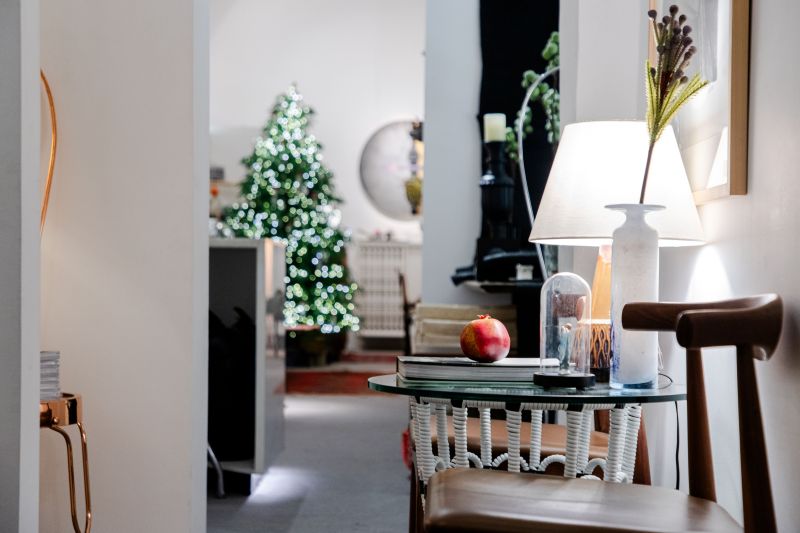
Christmas mood
For Kish, however, staying in business is about more than the numbers. “But I’m doing this because I love it.”


