
As a second-generation Filipino-Australian, I made conscious efforts to maintain my cultural roots. For me, cultural connection should be valued and learned—and I believe it is never too late to do so! Cultural pride has never felt as prevalent as it is now, in media, food, and fashion. Seeing it celebrated and spotlighted on local and global platforms has been awe-inspiring, and long overdue.
My love of food stemmed from childhood, potluck gatherings, and introductions to diverse cultural households. I always recount the beauty of growing up in Australia, with its harmonious blend of culture, communities, and food. It made for an inclusive and welcoming environment, showing that we are all more similar than we are different. Natural curiosity only grew into my adulthood, and with frequent trips to the archipelago.
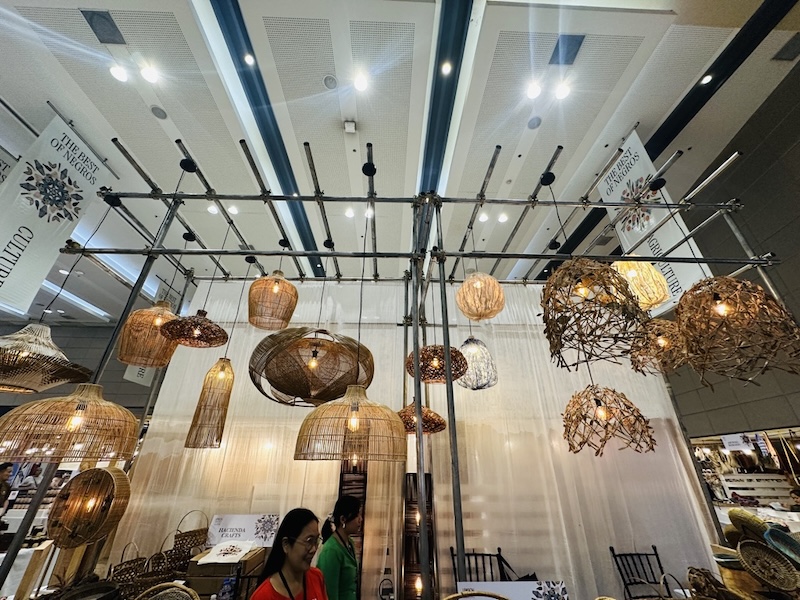
Himbon: 39th Negros Trade Fair (2025) held at SM Aura Premier, Taguig (All photos by Erika Clavano)
While visiting in September, I stumbled upon the Himbon: 39th Negros Trade Fair, which showcased the many offerings of Negros Island in such a beautiful way. Before this, I was under (healthy) peer pressure to attend Terra Madre Asia & Pacific (TMAP) 2025. Perhaps this was divine timing or something? This would be the largest sustainable gastronomy food event, to be held in Asia and the Pacific for the first time ever—most important, in the Philippine city of Bacolod, also known as the “City of Smiles.” No phrase would prove truer, I would find out.
The provincial way of life and attitude always left a mark on me; the way people valued simple joys, the preservation of heritage, vast biodiversity, and a slower-paced style was certainly refreshing for me, having come from city life. I was excited to visit Bacolod for the first time and celebrate diverse slow food with locals and visitors alike. After touching down in Silay, I was in awe of the greenery, sugarcane fields, and small-town charm. The friendly nature of the people spoke volumes and dispelled any doubt or uncertainty.
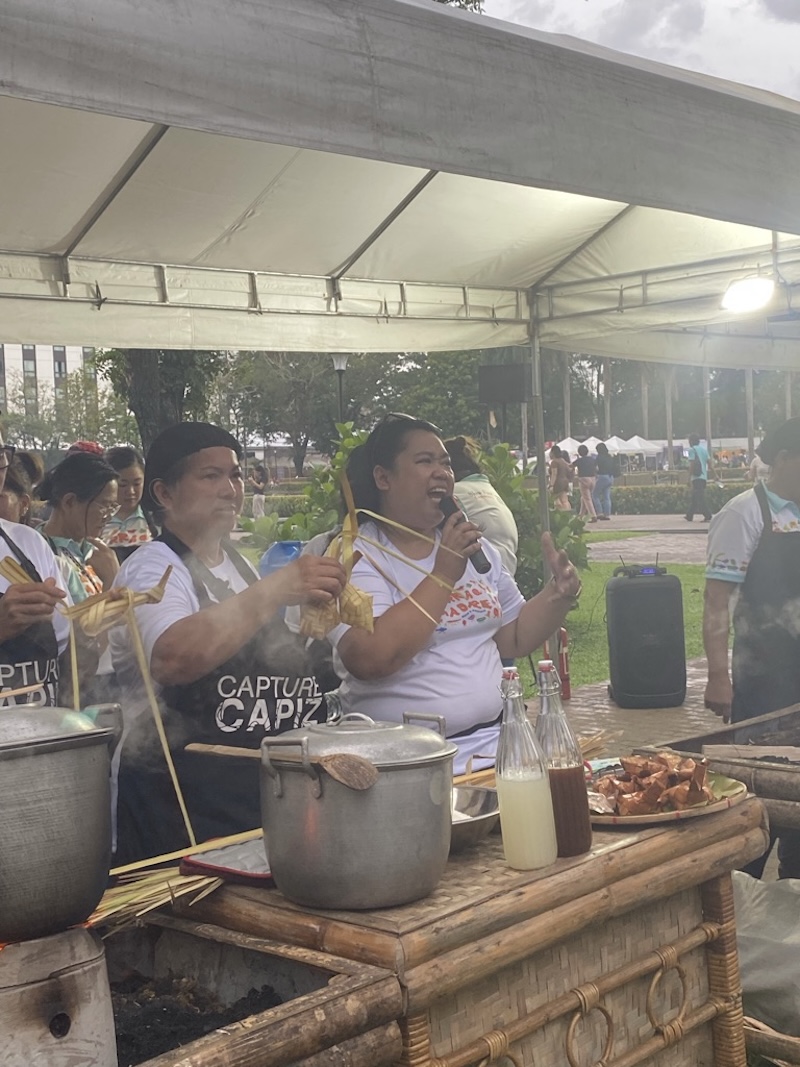
Capiz cooking demo and ‘puso’ rice weaving
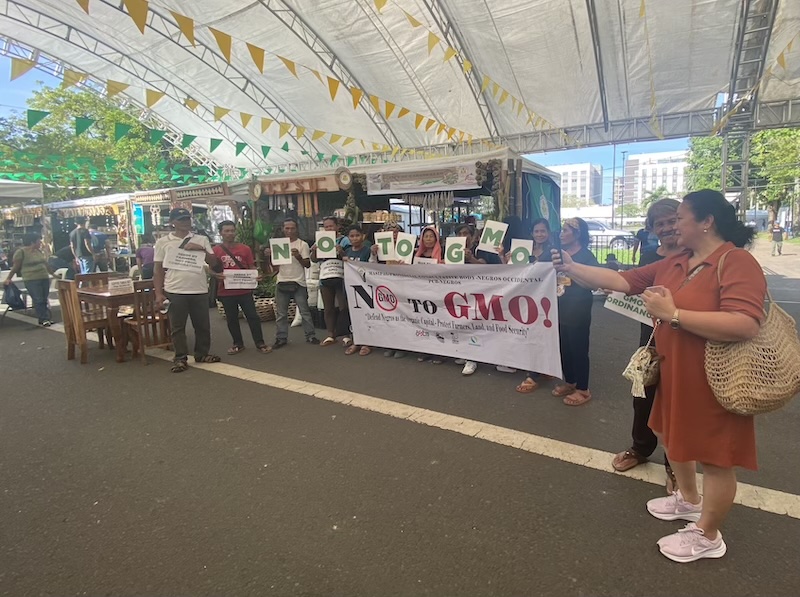
TMAP Organic Farmers Market: No to GMO
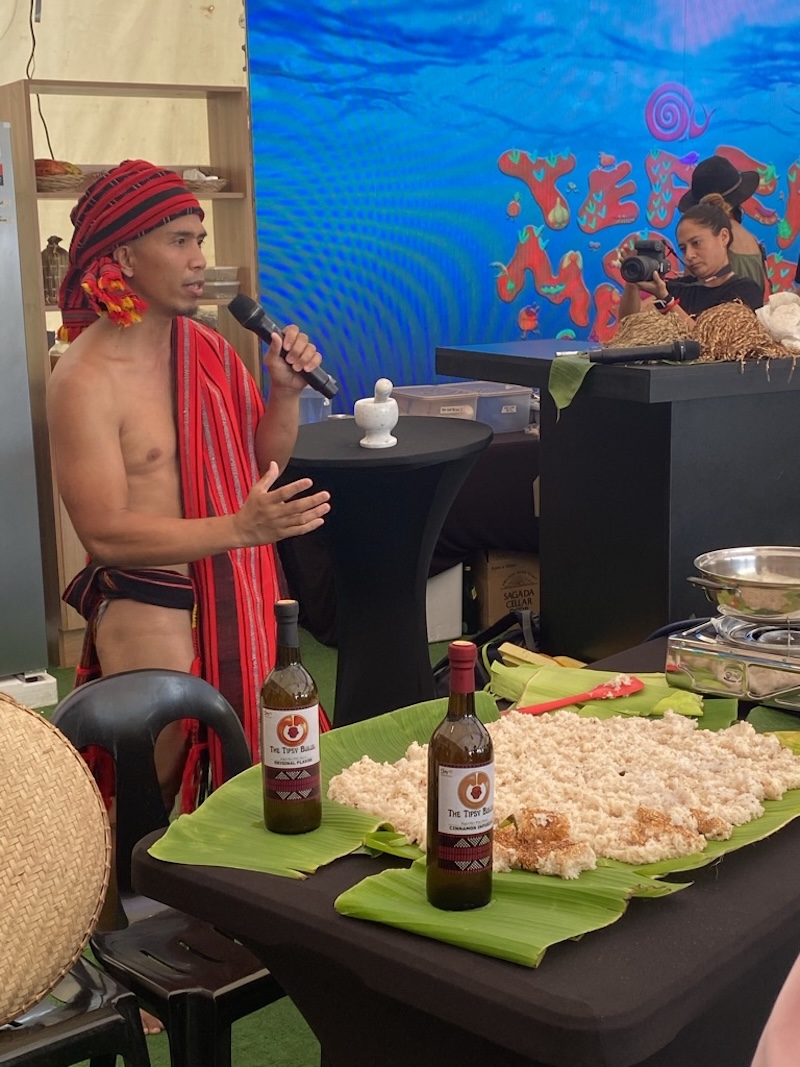
Grains of Memory: Ifugao Rice Wines Talk & Toast by Armand Camhol
Throughout TMAP, I attended masterclasses, workshops, talks, showcases and cooking demos—too many to count. Anyone in attendance was spoiled for choice; it was an impressive program with much to see, learn, and consume. Over 2,000 delegates were estimated to have visited the five-day event, with a common goal to champion clean and fair food for all. It was a slow food movement to strengthen and build the future, calling on each other and industry heavyweights.
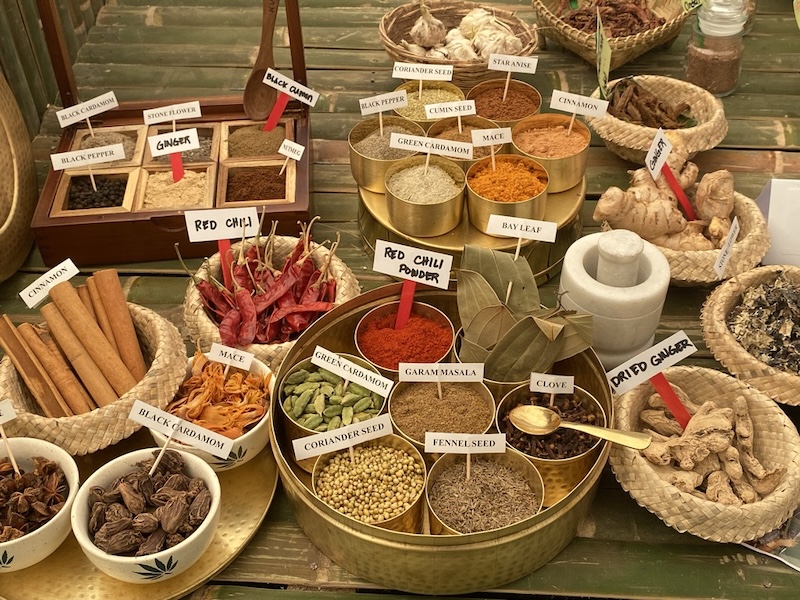
Foodways spice production tent
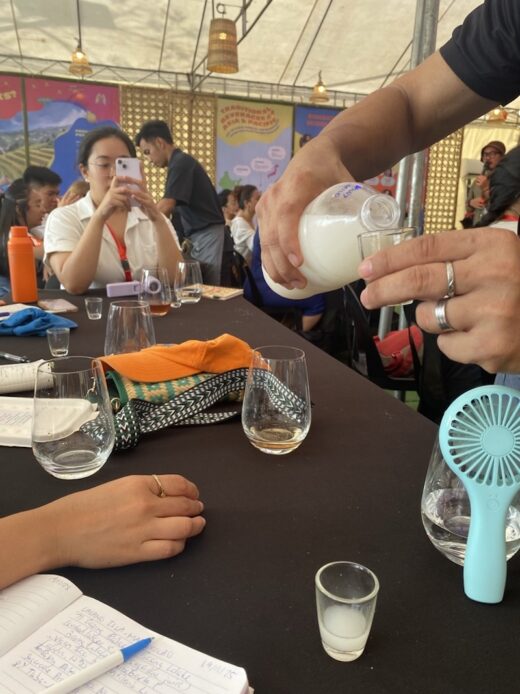
Participants from Asia and Oceania showcased food ways and culinary traditions, breaking down the South and East Asian spice map as well as taro significance in Pasifika. My first actual TMAP session was a guided tasting of Filipino heritage drinks (slow drinks) hosted by Ken Alonso, by far the most unique lineup and sequence of welcome drinks I have had, learning about and consuming a variety of wines, tapuey, tuba, and lambanog from the archipelago. We were in good spirits, literally.

How do we ensure a good, clean and fair future for gastronomy? The panel was composed of Jordy Navarra (Toyo Eatery), Johanne Siy (Asia’s Best Female Chef 2023), and Erwan Heussaff (Featr).
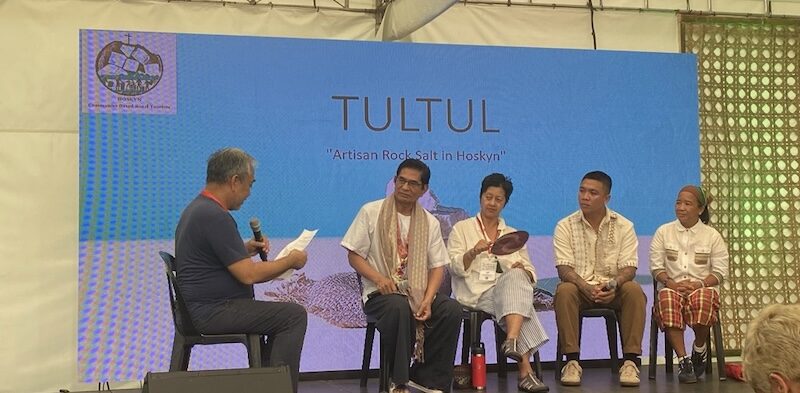
Talk on Artisanal Salts: Moderator Ige Ramos and panelists Narin Bun, Veronica Salupan, Alejo Vincent Abawan, and Lorlie Noblezada
Talks were educational and eye-opening; it was a privilege to hear from cultural and indigenous leaders, advocates, and chefs. The theme of sustainability, with a commitment to dignity and justice for communities, storytelling, and cultural preservation was key to applying knowledge and pushing forward. Sustainable Seafood, Slow Food Travel, and Artisanal Salts panels were just a few of the talks I attended. With climate change happening in real time, these conversations were so relevant, prompting the much-needed action.
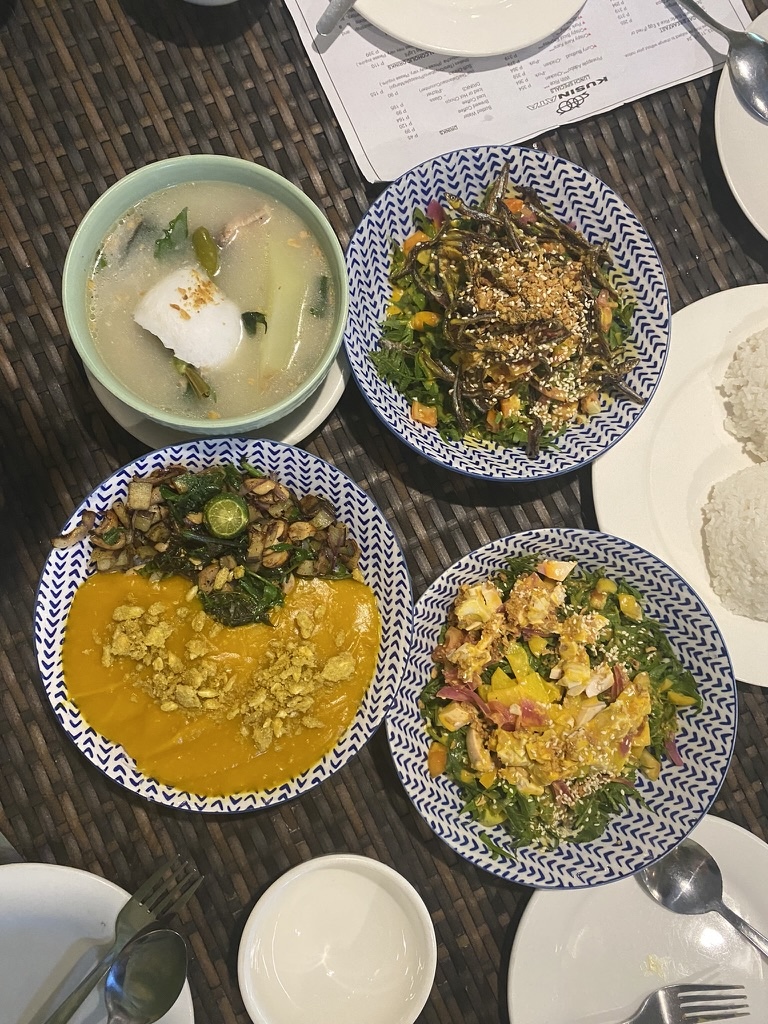
‘Pako-Pako’ Salads, Chicken Binakol, and Vegan Palabok at Kusinata
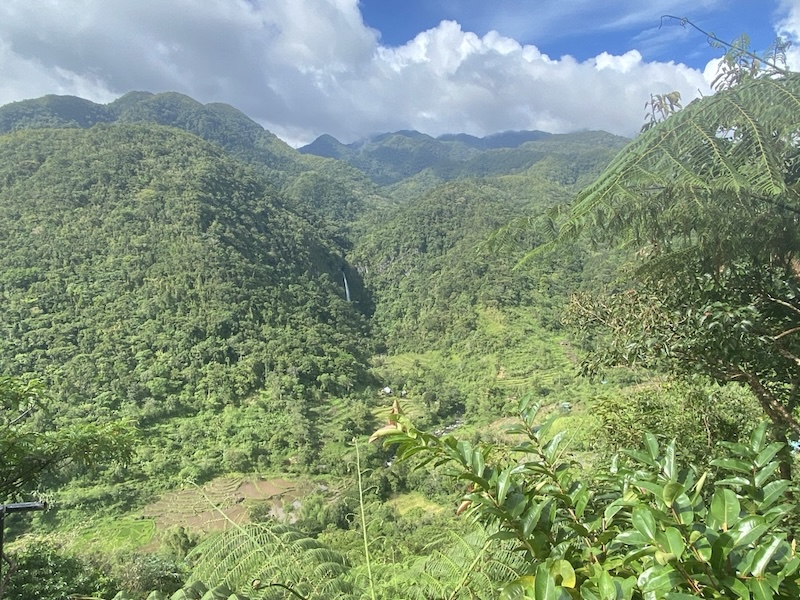
Kusinata overlooks the Don Salvador Benedicto mountains and Malatan-og Falls.
After an enriching experience at TMAP, I thought, what else could actually match that? The final day left room for a spontaneous trip to the mountainous region of Don Salvador Benedicto (DSB). Here, a family-run culinary gem and social enterprise called Kusinata was located. Their business preserves the local Ata indigenous heritage, promoting native resources while providing livelihoods to the community of DSB. Serving up pako-pako salad with wild ferns and other heritage dishes, the place perfectly represented dining with true intention and purpose. Kusinata was certainly a highlight and a place to revisit.
With TMAP already making noise for 2027, we need to keep the momentum and conversation going. While I understand it is not always easy nor accessible for everyone, it is important to try and make conscious efforts to do better for ourselves, the future, and our environment. I encourage you to immerse yourself in the farm-to-table experience, support local producers, learn the history, research, and ask questions on how your food is sourced. Where is your salt from, and what does it contain? Did you know there are precious, artisanal salts found in the archipelago? Sulit, namit, consider these for your next purchase.


