
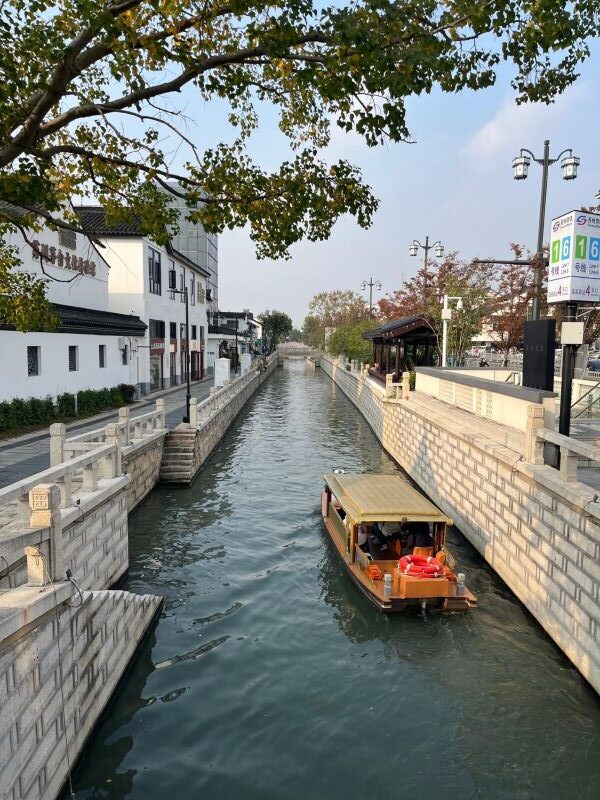
One of many canals around the city of Suzhou, China
On my second invitation as a guest to visit Shanghai, I was excited to see once again this outstanding “Class A” Chinese city. Our trip was timed for the annual Shanghai Art Fair that coincides with another art fair at the Shanghai Exhibition Center. Plus, there were many other exhibits in museums all over this city, one of which featured an extensive and dazzling exhibition of privately owned pieces, as well as many from the archives of Bulgari, exhibited at the Power Station of Art in Shanghai.
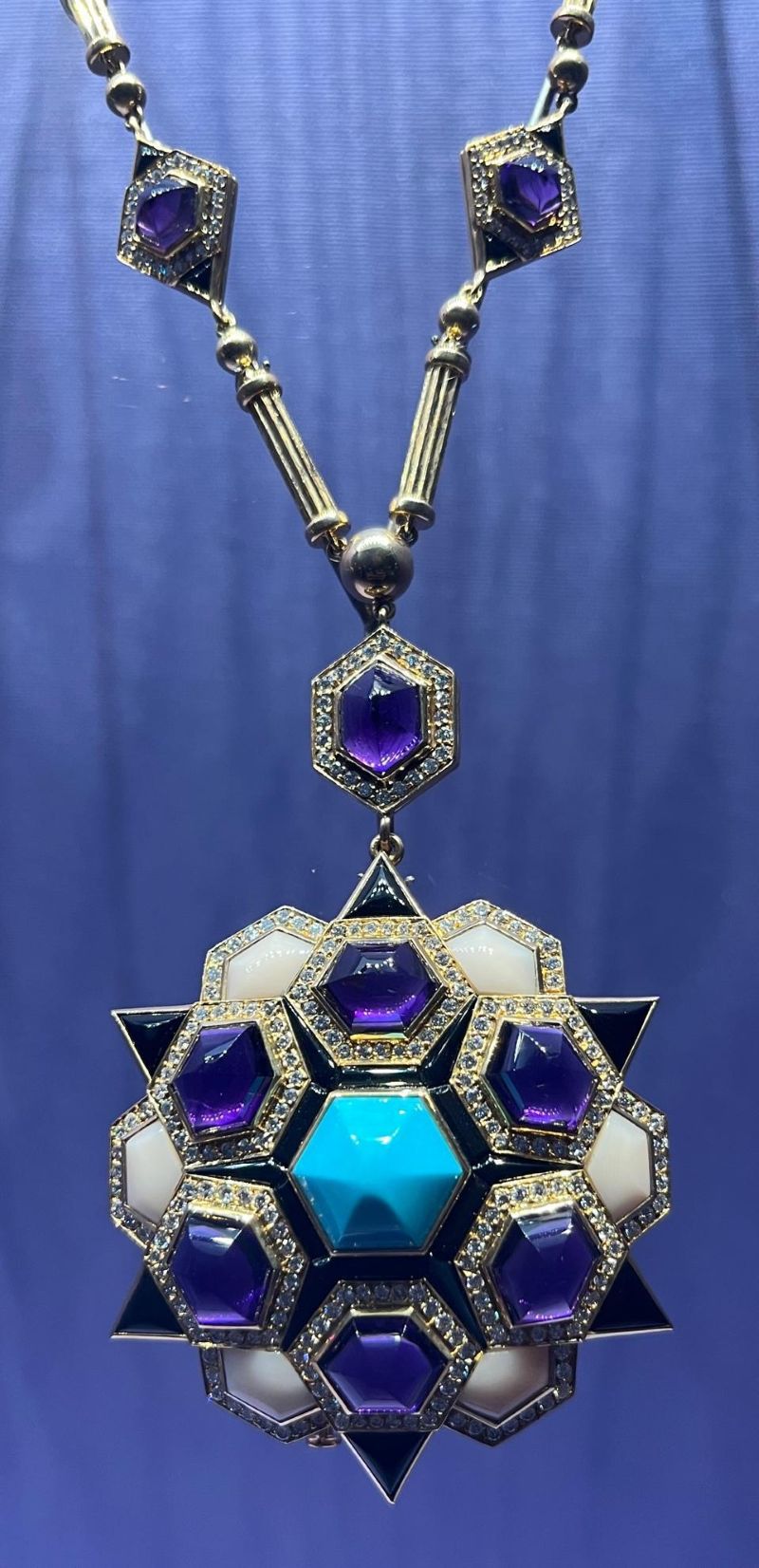
From the ‘Bulgari Kaliedos: Colors, Culture, and Crafts’ exhibit, from the archives of Bulgari, a pendant with turquoise, amethyst, mother-of-pearl, onyx, and diamonds (early 1970s) at the Shanghai Power Station of Art
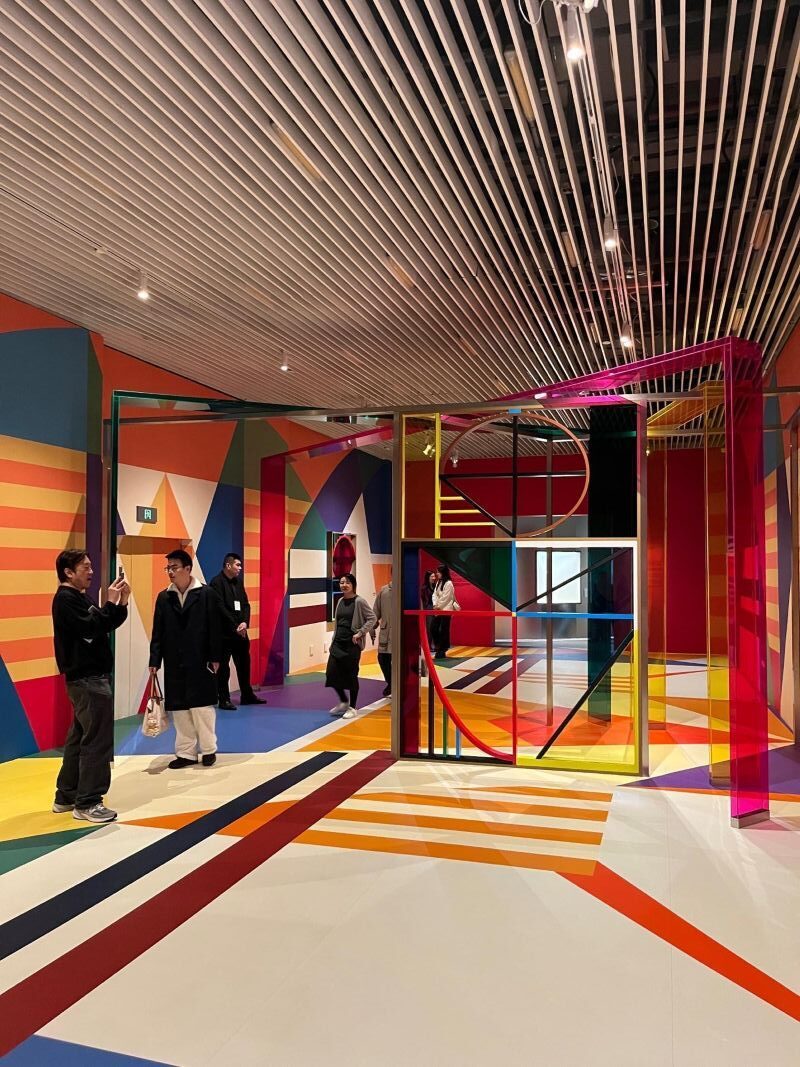
The ‘Bulgari Kaleidos’ exhibition is split into sections with these colorful geometric three-dimensional installations by Liang Manqi, titled ‘Boundless Synesthesia.’
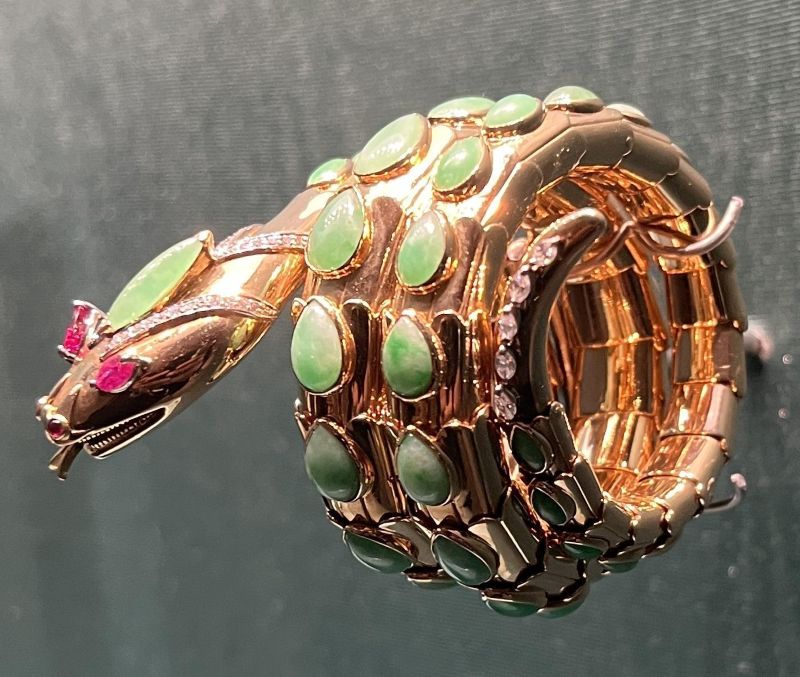
Bulgari ‘Serpenti,’ a 1968 piece of work done in gold and set with jade cabochons, rubies, and diamonds
Monumental architecture is evident in a city like Shanghai, and there are numerous edifices that have recently opened their doors to the public. At the same Power Station of Art, there was an incredibly well-curated exhibition of contemporary Chinese architect Liu Jiakun, a Pulitzer Prize winner, which featured, among many, a visual presentation of the architect’s 2016 work, the Museum of Imperial Brick Kiln, set in Suzhou.
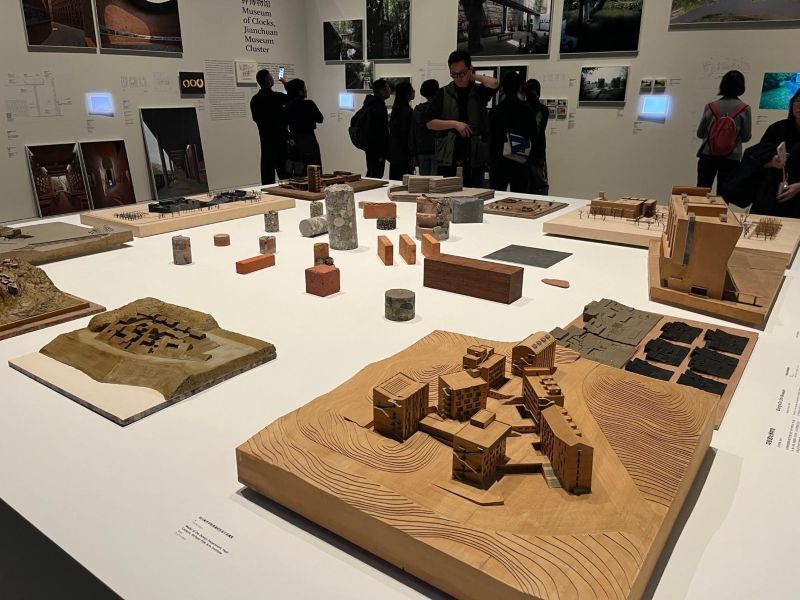
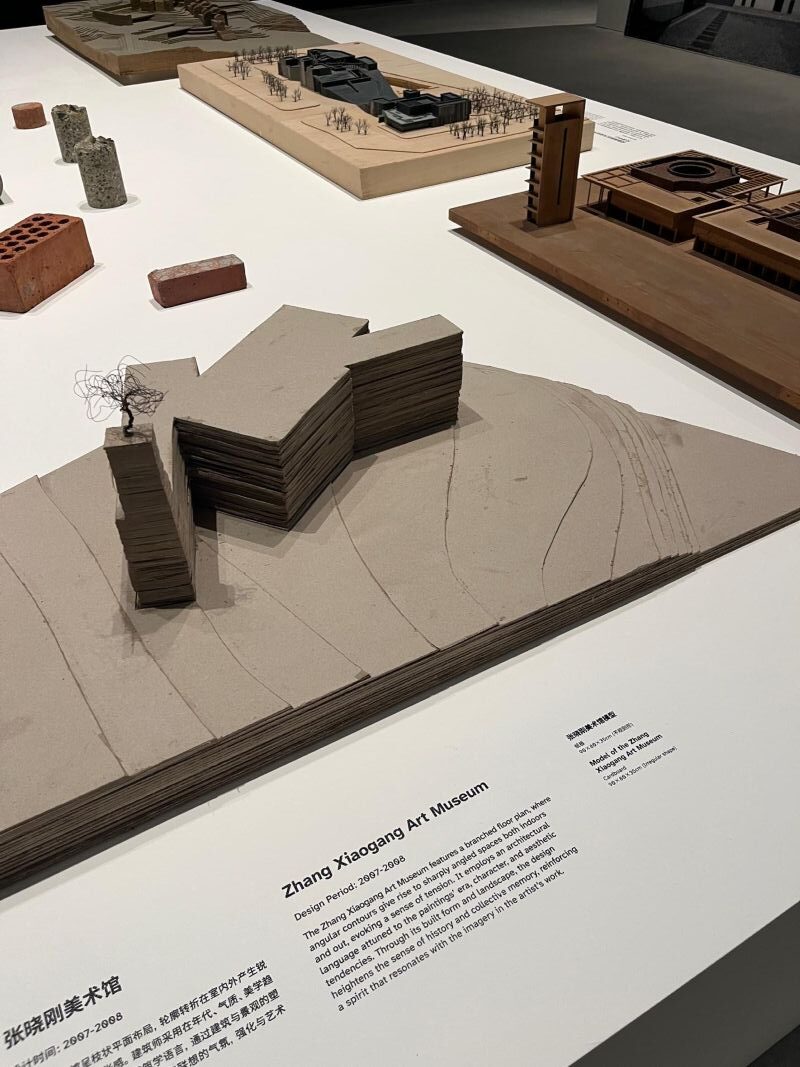
Models, maquettes, and materials at the Architect Liu Jiakun’s exhibit ‘The Moon and The Well,’ also at the Shangai Power Station of Art
After an incredible tour of Shanghai, our host brought the group to Suzhou (another “Class A” Chinese city) for a night. He packed us swiftly into the subway to visit the Suzhou Museum of Contemporary Art designed by the Bjarke Ingels Group (BIG), a huge complex of buildings linked underground by tunnels, or by corridors with roofs done in a ribbon-like pattern. The buildings were clad in solid corrugated glass and stainless steel. The pinnacle of the site was a large Ferris wheel that could give one 30 minutes of a grand bird’s-eye view of the museum and the lake around it. The museum was closed for maintenance, but it was worth the time of travel to experience the setting.
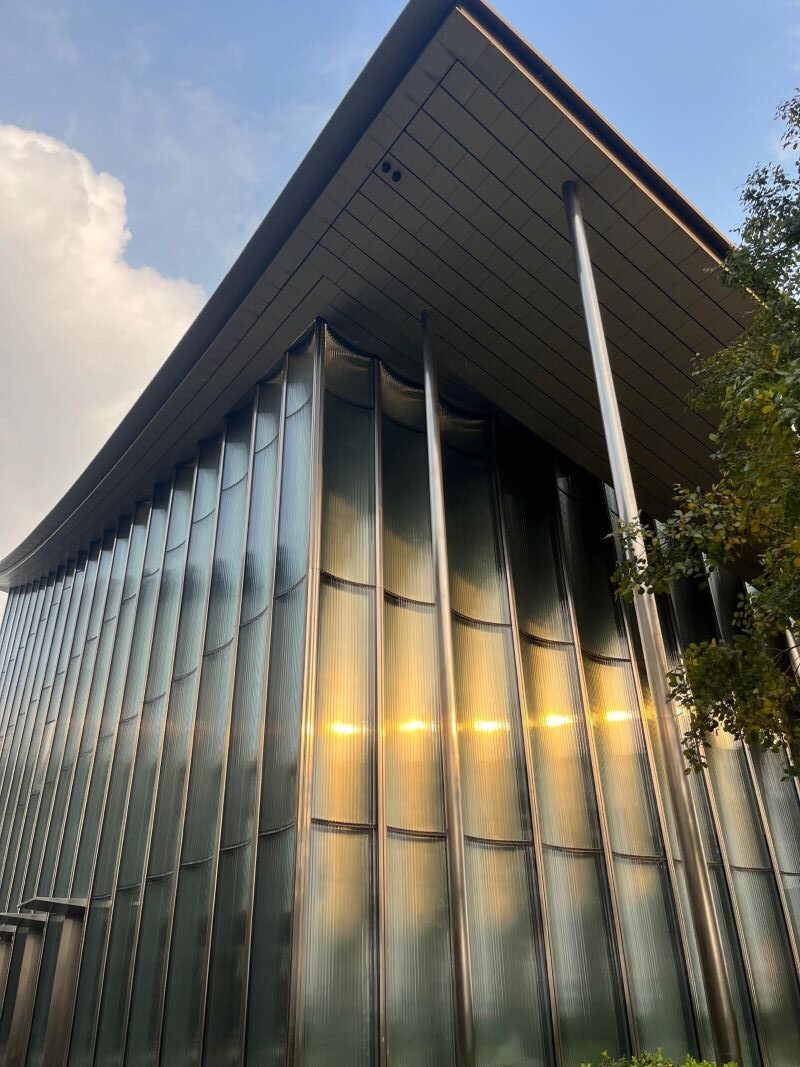
The sunset greets us from the glass and steel surfaces of the Suzhou MOCA.
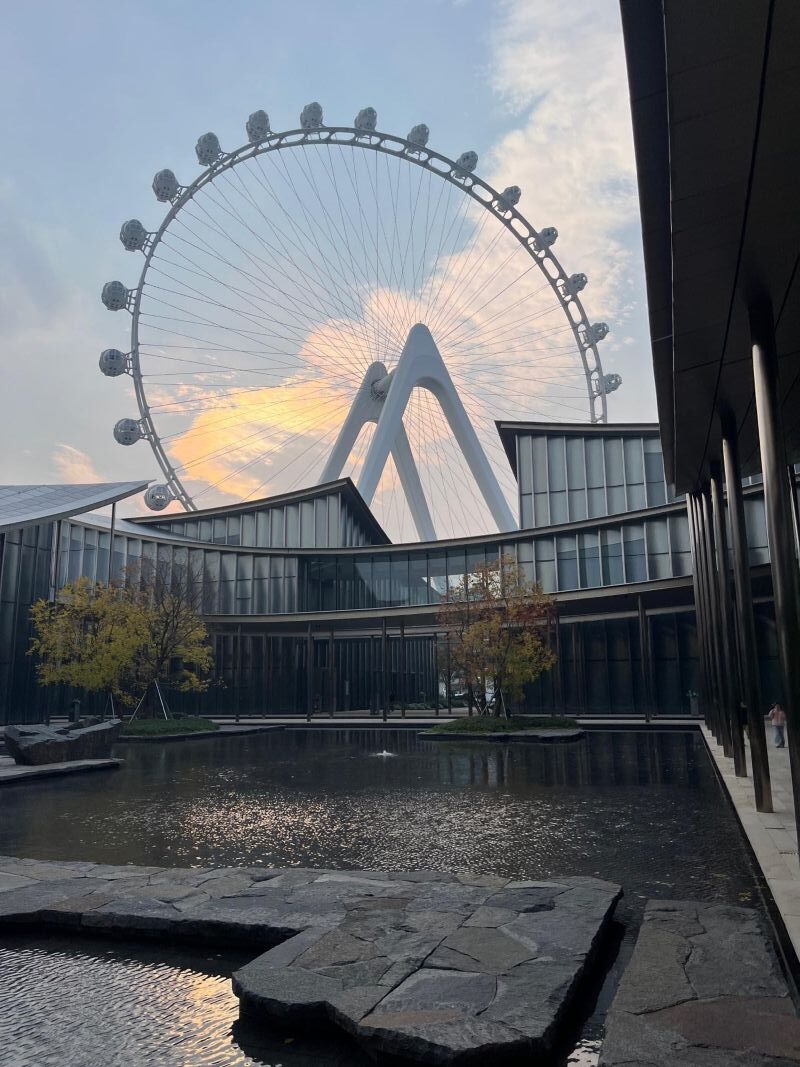
The best time to go for a half-hour Ferris wheel ride would be late in the afternoon, maybe after viewing the museum’s exhibitions.
Most major cities around the world appear more dazzling at night, with all the colorful illumination highlighting every aspect of the surroundings. A walk down one of several canals around Suzhou can satisfy anyone’s preference for lighting and color, but the food will prove more satisfying to any of our senses. We had an early dinner and walked several miles for a late night snack of steaming hairy crab fat served with noodles, with the same crab fat stuffed into their xiao long baos that our host had us try before heading back to our hotel. These were incredibly delicious!
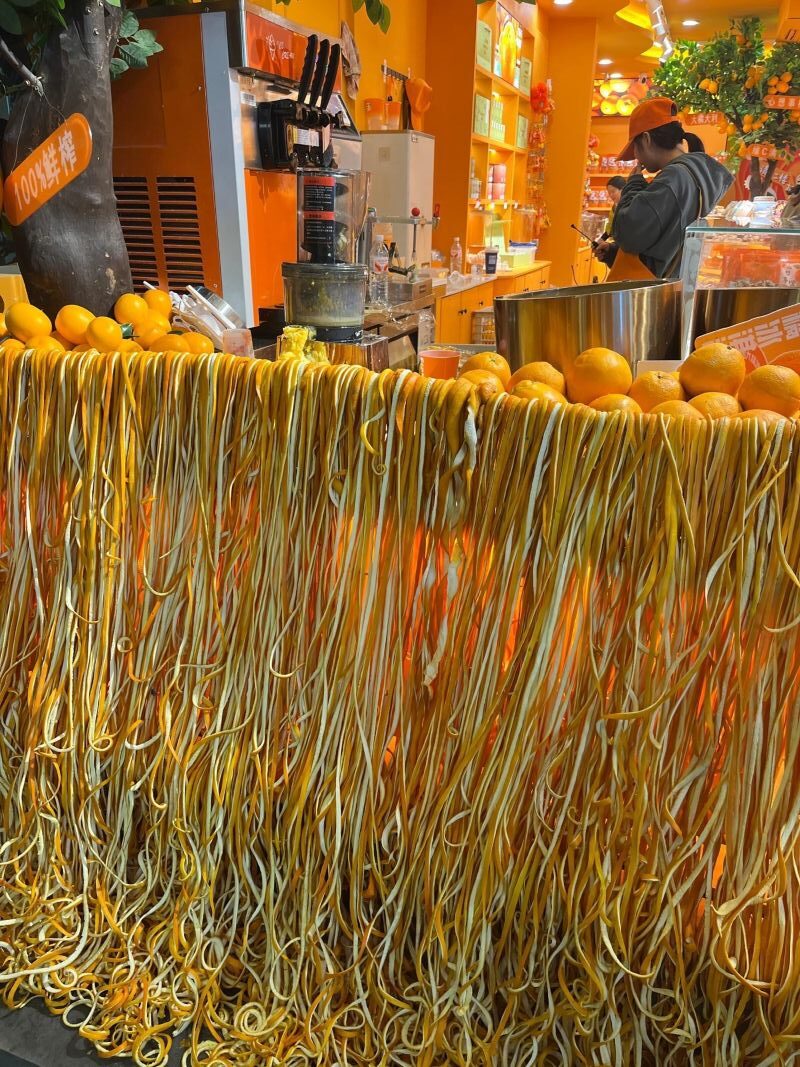
The scent of fresh oranges fills the air around one of the canals along the Pingjiang Road in Suzhou.
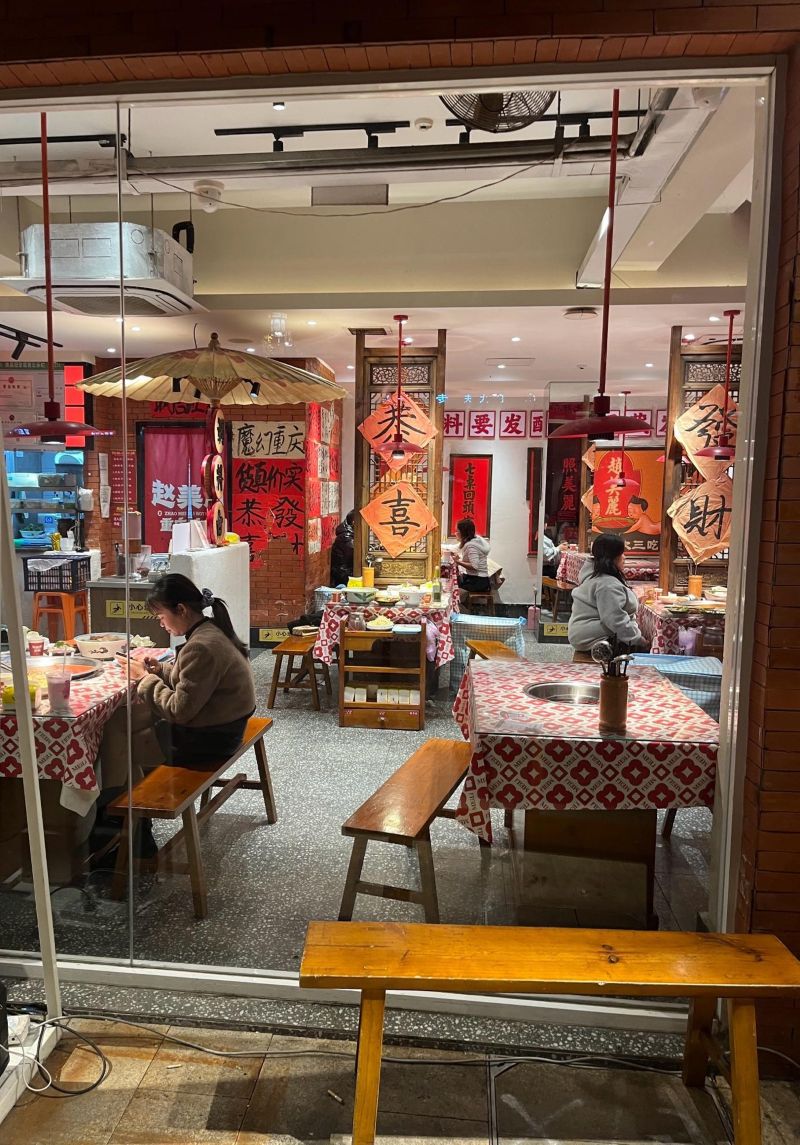
Retro style late-night eatery at the Taijian Lane, Gusu District, Suzhou
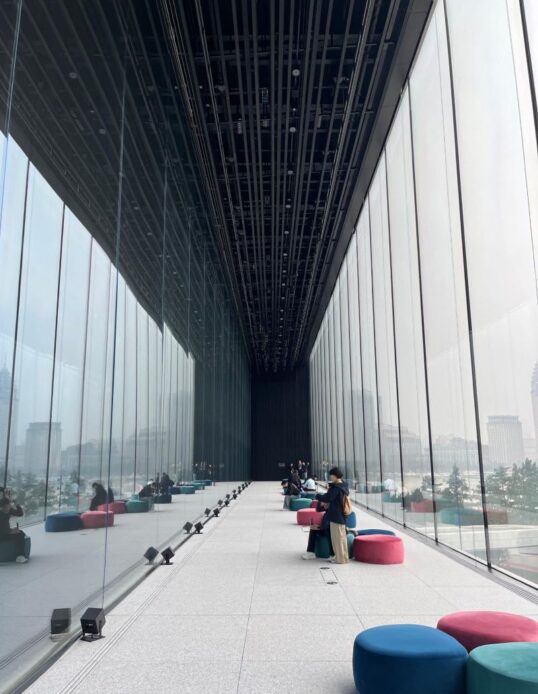
The highlight of the day after was most certainly the H+ Museum designed by the renowned Japanese architect, the Pritzker Prize winner Tadao Ando (who was a boxer before he became an architect). We were the first to arrive at this spotless place opened to the public in December 2025, enthralling all of us even before we had gone in. Seduction followed when we entered the building to view one of three ongoing exhibits, Roaming the Cosmos of the Heart–Infinite, where over 30 Chinese and international artists greeted us with quiet but immense flair. A solid glass piece by New York visual artist Roni Horn was familiar, as I had seen two of her glass pieces in New York in the early 2000s. It was a soft coral-colored molded glass piece over a meter high and weighing a whopping 5 tons. At dinner, I asked our very gregarious group which piece they had liked the most, and it was a unanimous Roni Horn vote!
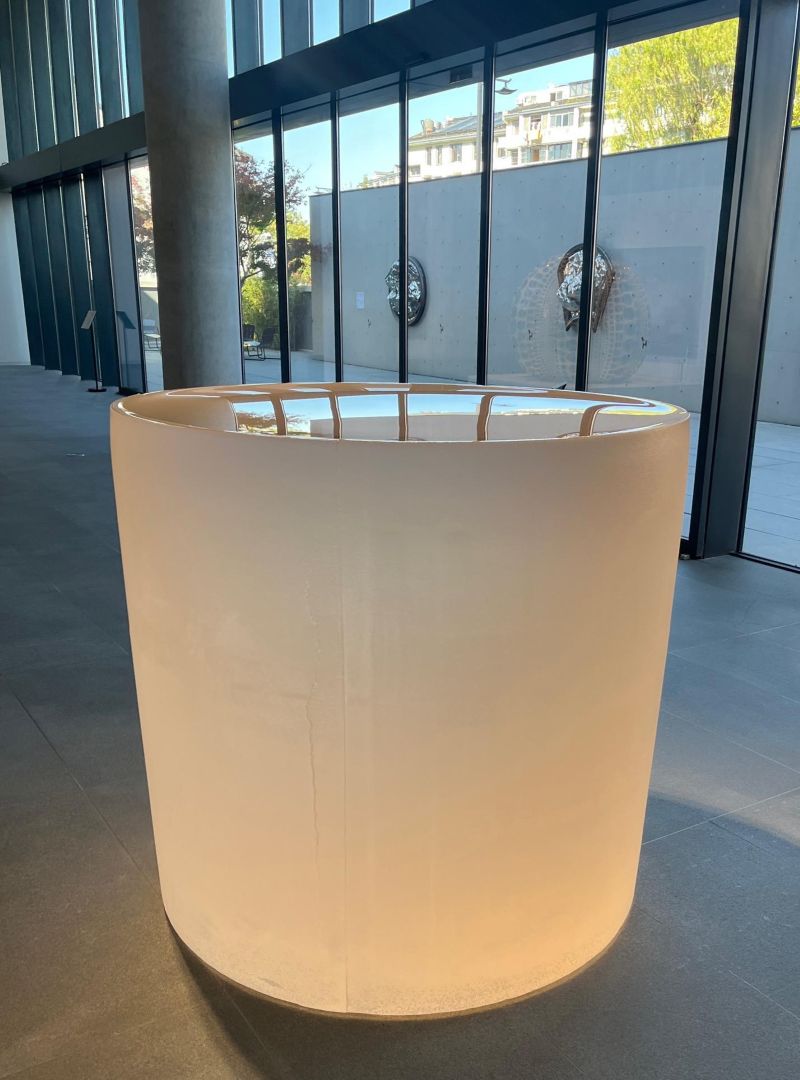
American visual artist Roni Horn’s untitled piece (2013-2015) of molded glass
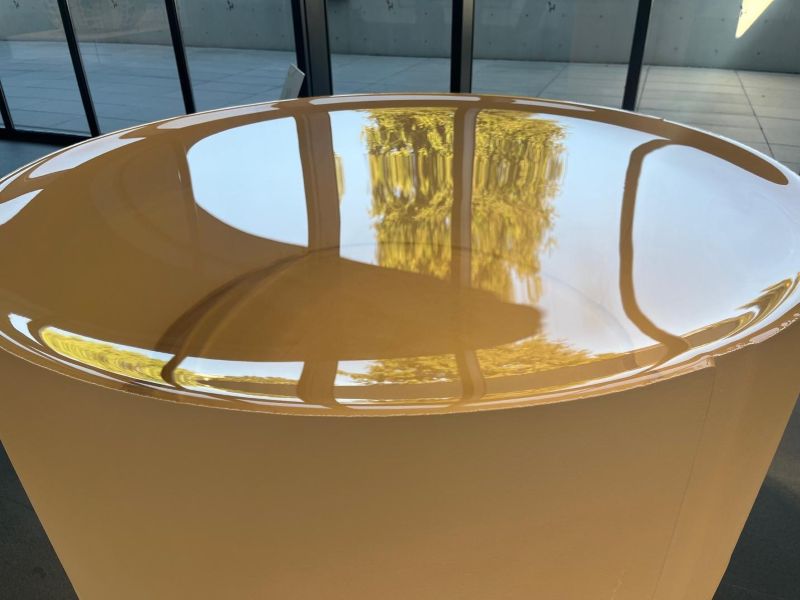
The polished glass surface of the work reflects a peaceful view of its setting.
The museum was designed with nature in mind, reflecting the city’s landscape, gardens, canals, and local culture. H+ means “Heart Plus,” reflecting Suzhou’s “inner abundance.” Treading the walkways leading around the three exhibitions was like sailing through seamless canals, interspersed with large windows overlooking the neighborhood. One view which caught my eye was the neighboring school’s vegetable patches clearly seen along hallways that brought you to the next exhibit, Two in Tune, featuring two Korean artists, Lee Jinjiu and Lee Jeongbae. This exhibit reflected the essence of changhe, which refers to the communication of two individuals on a certain topic. The two artists separately rendered their works about Suzhou, and the exhibit defined their conversation.
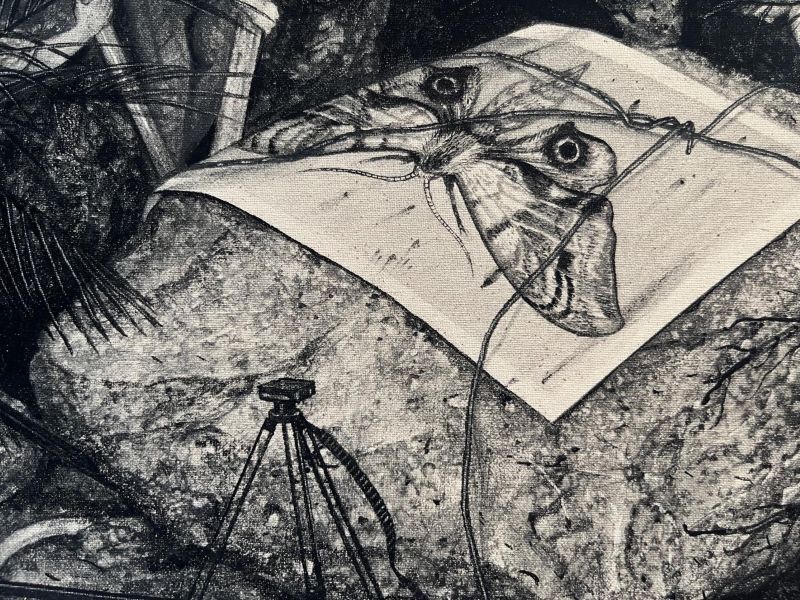
Detail of Lee Jinju’s work using traditional East Asian techniques, using powdered pigment, animal skin glue, and water on canvas
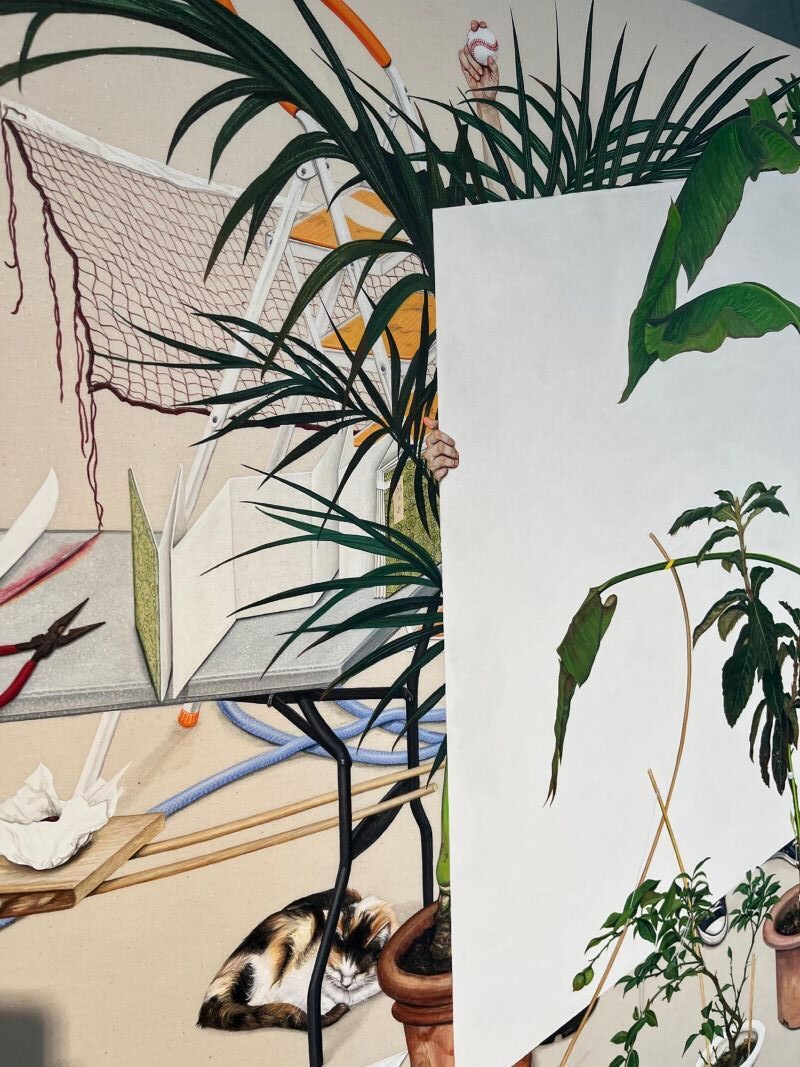
Another detail of Lee Jinju’s artworks at the H+ Museum in Suzhou, China
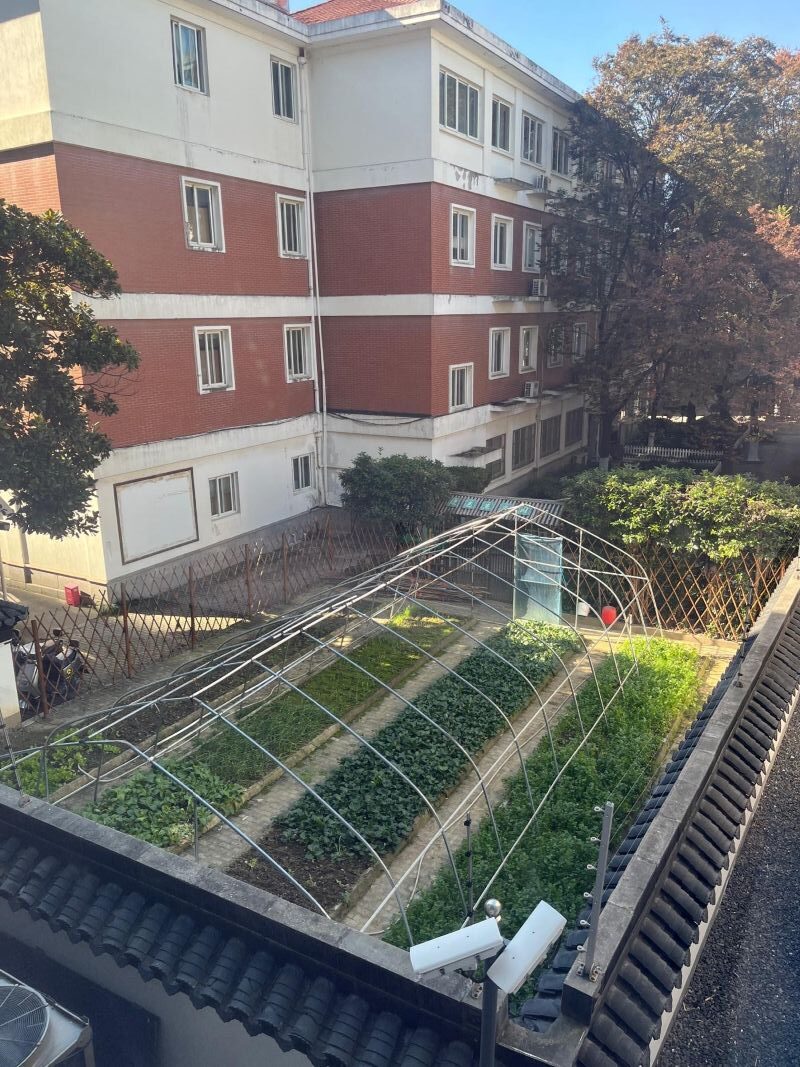
I notice how the Chinese take great care of their produce, such as vegetables seen here in a schoolyard’s patch next door to the H+ Museum.
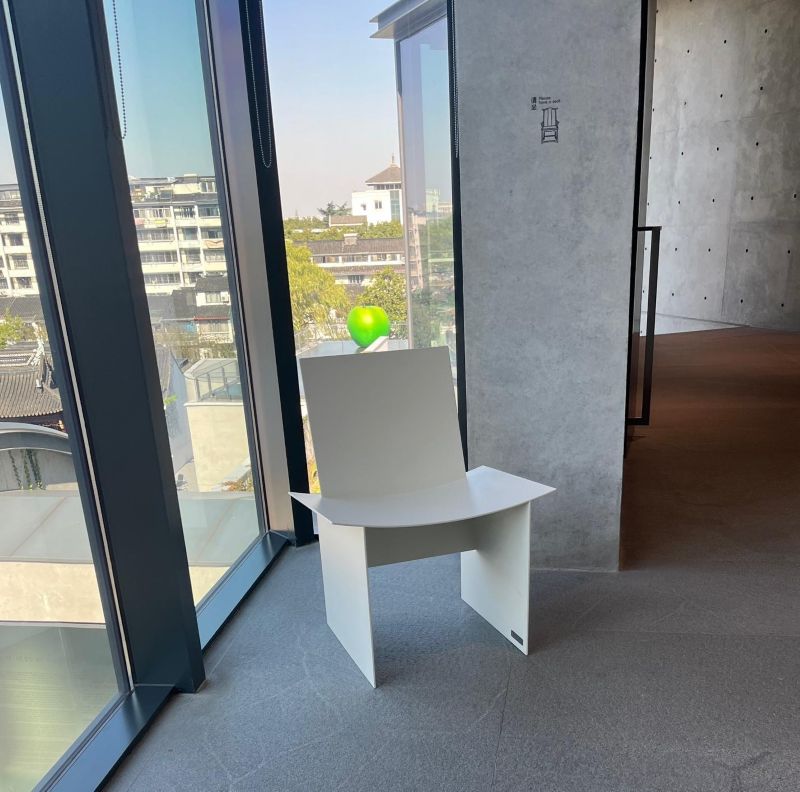
A minimalist seat being offered for use by museum guests to rest and view the surroundings
The H+ Museum of four floors was given a great reprieve with a garden on the fifth floor, giving the visitor the gift of sky and air, with views of the city as you were surrounded by thousands of golden pansies, with a focus on Tadao Ando’s green apple, titled Youth, to ponder. On the basement floor were exhibits on the architect’s creation of the building, and his correspondence with his Chinese counterparts; a multi-media group show; and a dramatic photography exhibit by Yang Fudong, whose works featuring photographs, photography collages, and video mostly in black and white, set in a monochrome grey hall, capped our stay. Oh, and did I mention the select fragrance that led to the washrooms on the ground floor? Everything there took us out of our hasty chaotic world and wrapped us all in pleasure.
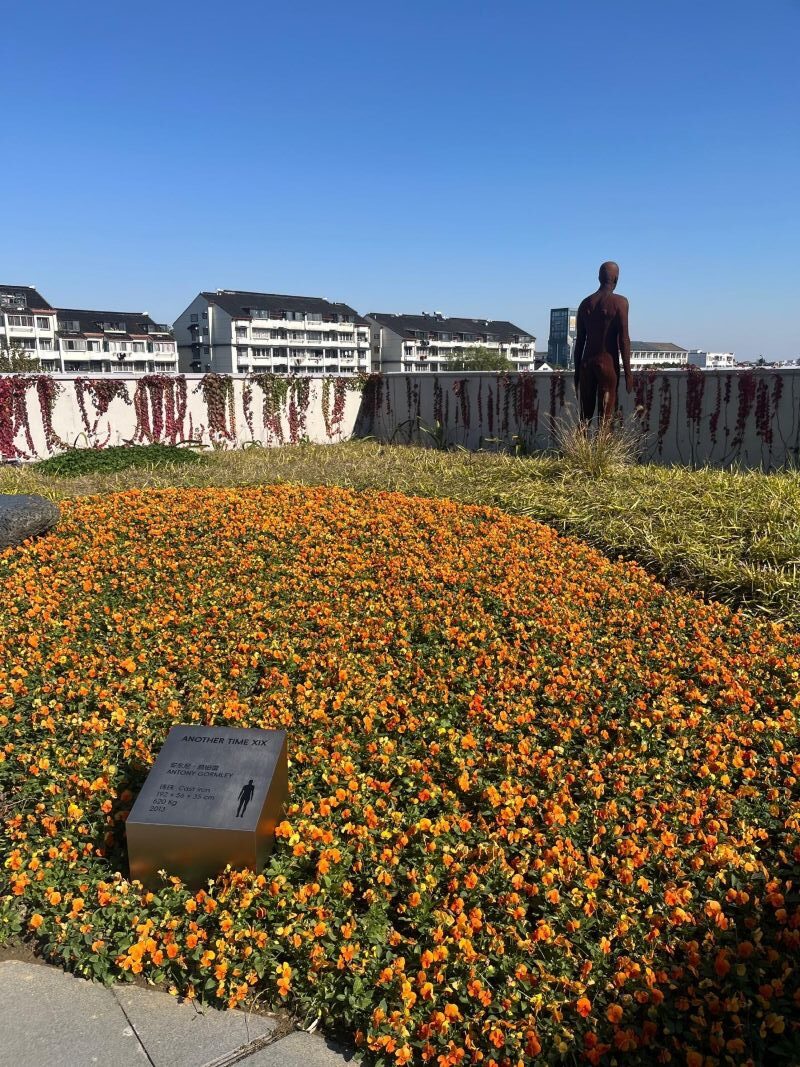
Cast iron man by Antony Gromley taking in Suzhou’s ‘inner abundance’
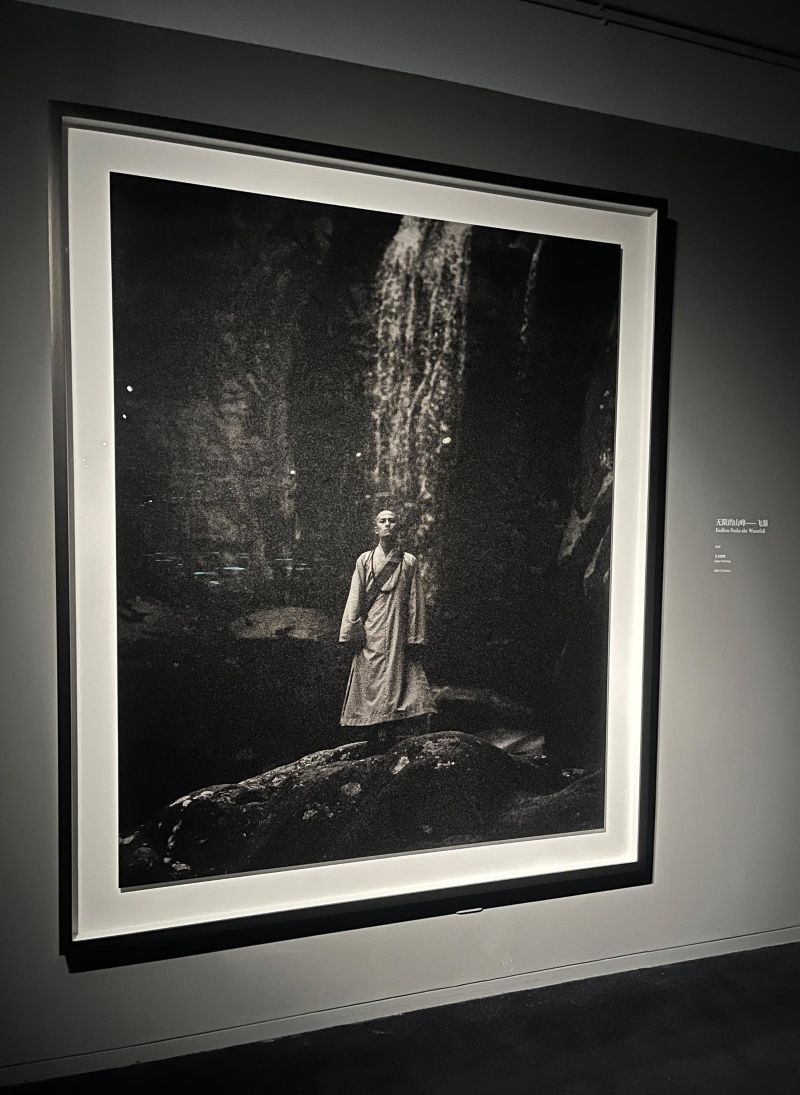
The world outside the museum was another story. A future trip is already in mind to visit the Museum of the Imperial Brick Kiln, plus so many others that our day could not cover.
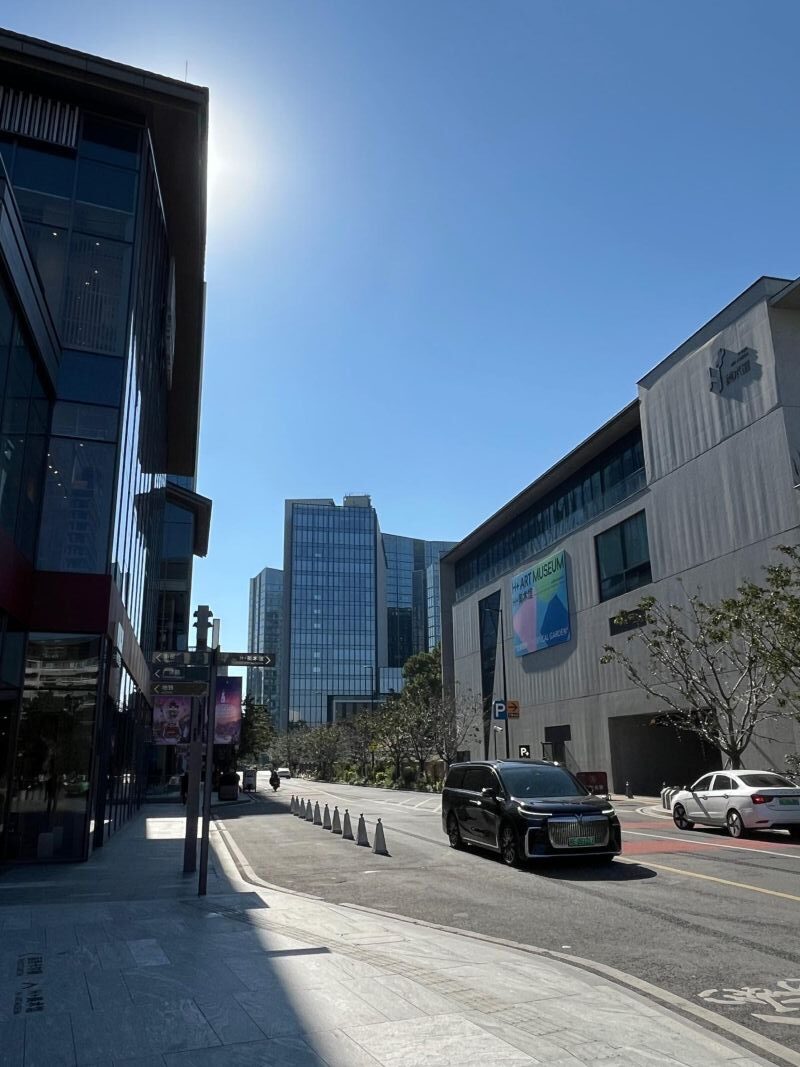
Clear blue skies accompanied our departure from the H+ Museum. The Ritz Carlton Suzhou is right behind, and the Suzhou MixC World (shopping and dining) is just next door.


