
Photo Sources: Nicolette David
With the intermittent downpour in Manila, all I could do was sit at home and do what almost every GenZ does: doom scroll. Browsing through Instagram stories instead of my usual reels, I came across a couple of posts of people trying out the re-released Starbucks Unicorn Frappucino.
Seeing the bright, glittery frappe on my feed was like stepping back in time to the mid-2010s when Rio de Janeiro was the go-to Instagram filter and Roses by The Chainsmokers was still playing on the radio. I was stunned. I hadn’t seen this drink since it went viral in the US back in 2017. Now, it was available in the Philippines.
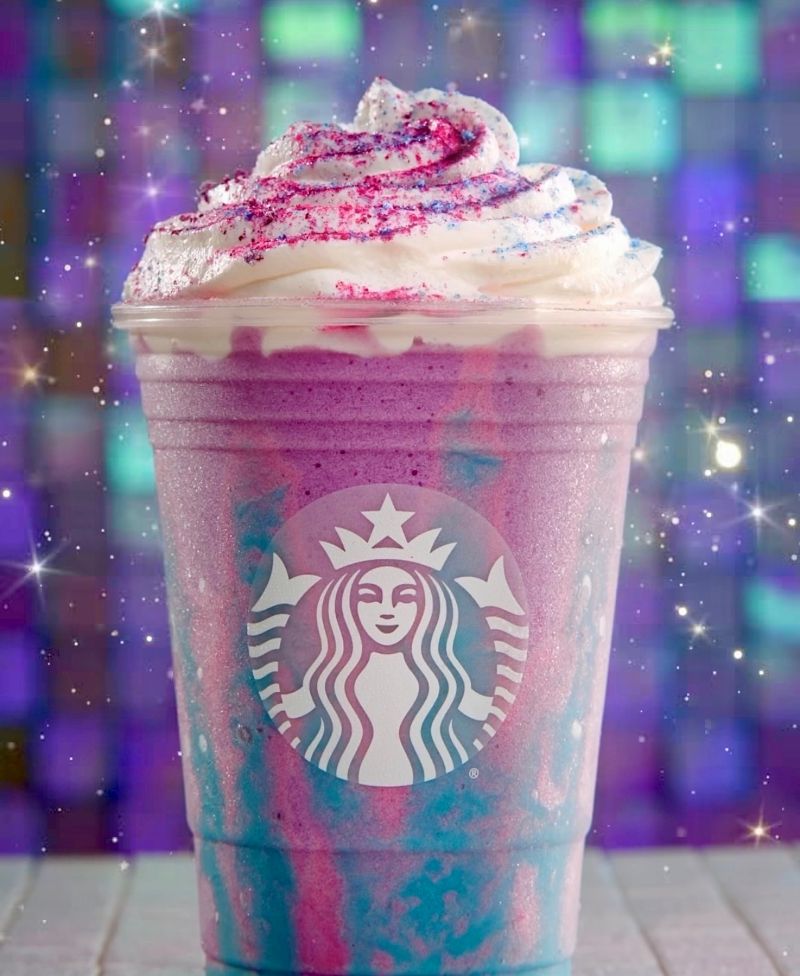
Photo Source: IG @starbucksph
By the time the rain trickled down and I was able to see one of my gal pals, I mentioned how out of the blue this unicorn concoction came back. I asked, “Why is Starbucks ‘nostalgia farming’?”
Then, it hit me: as a writer who mainly enjoys covering fashion—much like the coffee chain, clothing retailers have been “nostalgia farming,” and to be honest, my generation is falling for it.
“Nostalgia farming” comes from the internet slang term “aura farming,” which refers to the deliberate doing of something cool, hoping that others will notice and increase one’s perceived coolness.
Fashion labels then “farm” nostalgia when they repeatedly recycle aesthetics from eras of the past—all in the hope of looking “cool” to GenZ. Think—late 90s to mid-2010s, periods that GenZ associate with authenticity and much simpler times when social media was only about sharing your life, and when phones enhanced living rather than dominating it.
Last year, clothing retailer Hollister celebrated its 25th anniversary, bringing back a collection of its iconic Y2K styles, including strapless babydoll tops, low-rise shorts for women, Hermosa bootcut jeans for men, and hoodies, all with the brand’s iconic seagull and stitched logos.
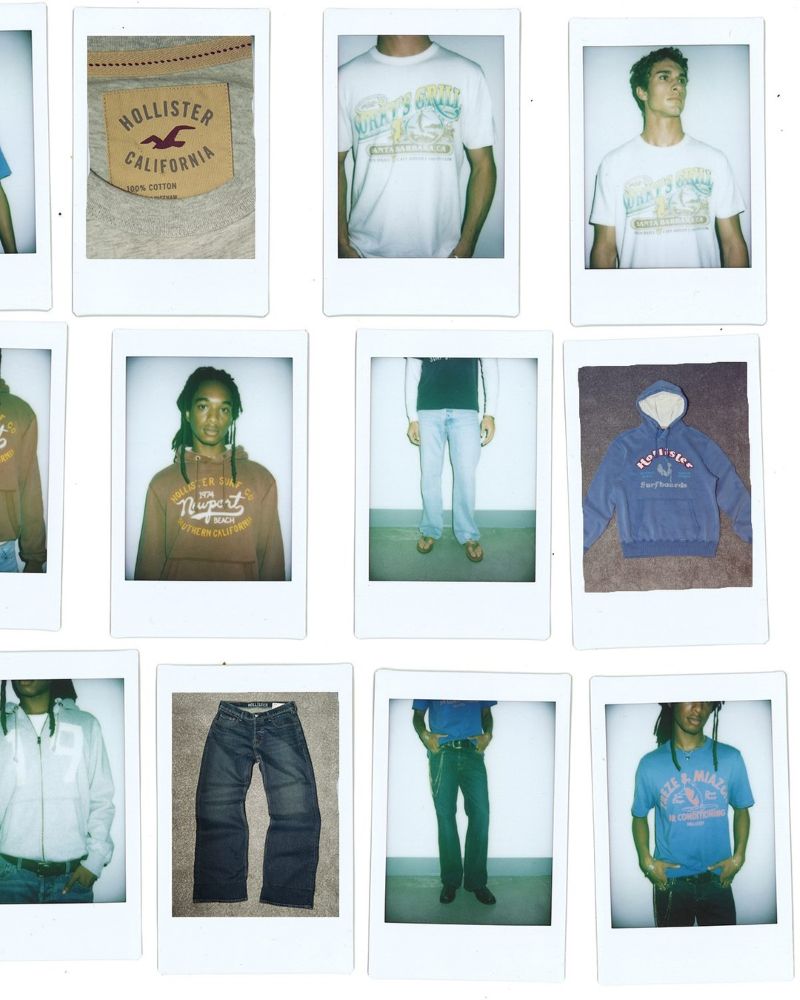
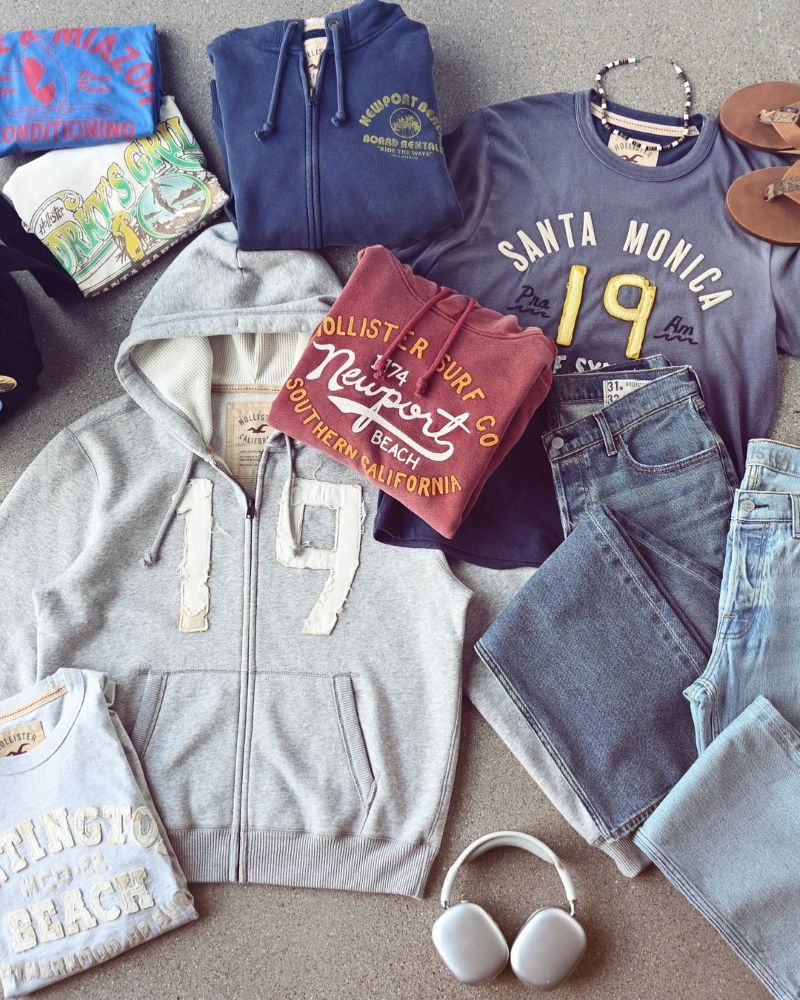
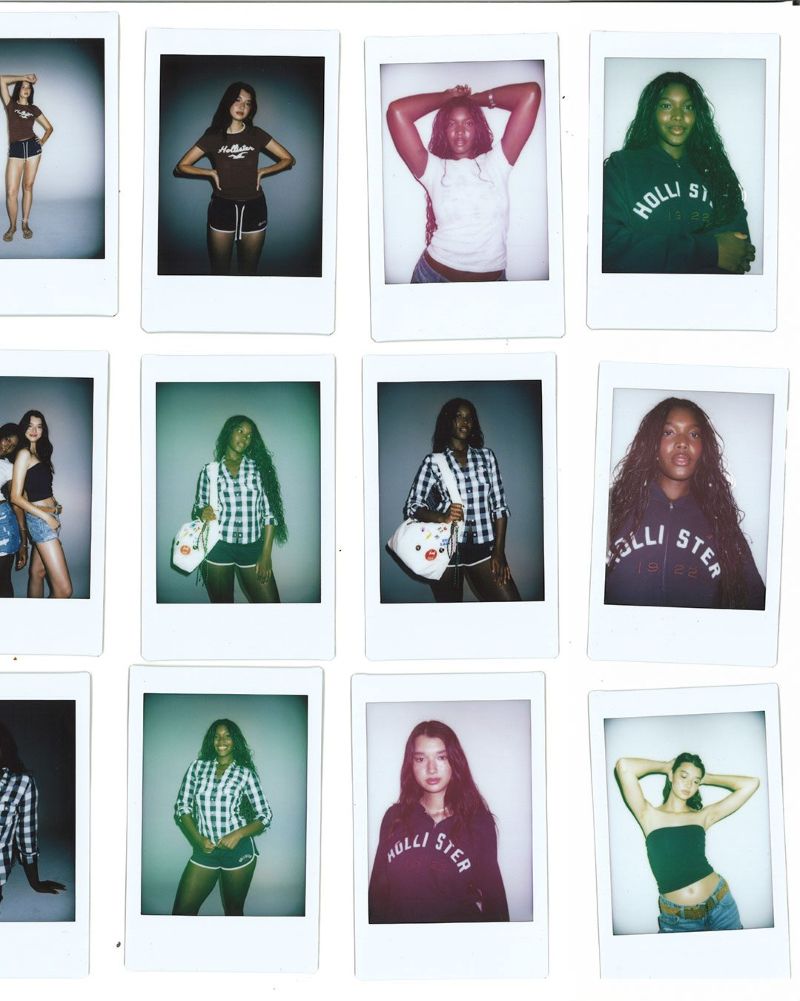
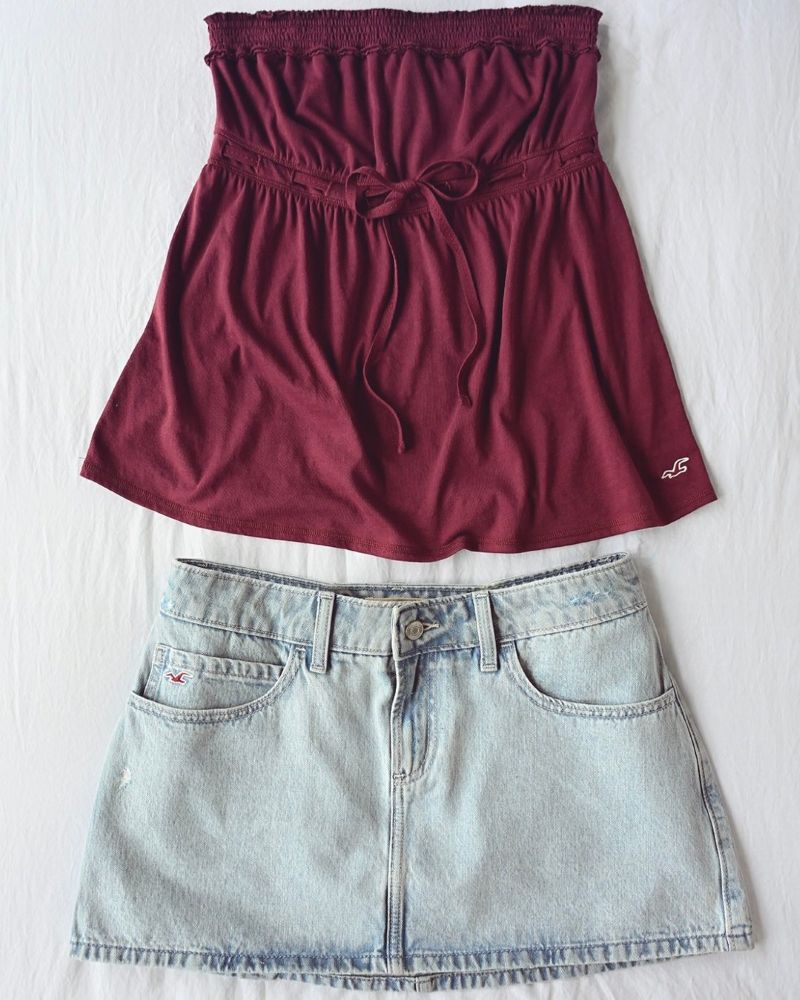
Photo Source: IG @hollister
This reissue did not come out of nowhere. Many GenZers have been into 2000s fashion since the aesthetic’s re-emergence in the 2020s, thrifting a lot of, you guessed it, old Hollister pieces.
If you look at the Hollister Philippines website today, you can find its popular early 2000s styles, such as short-sleeved henleys and camis, and even a mid-2000s-like poncho.

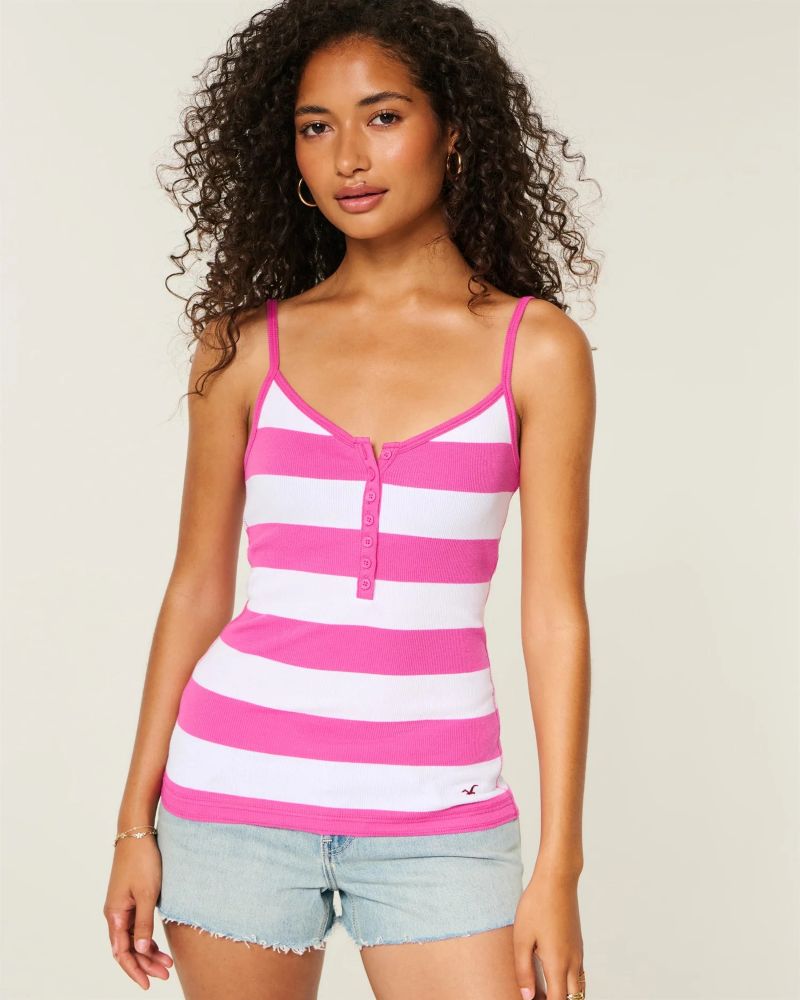
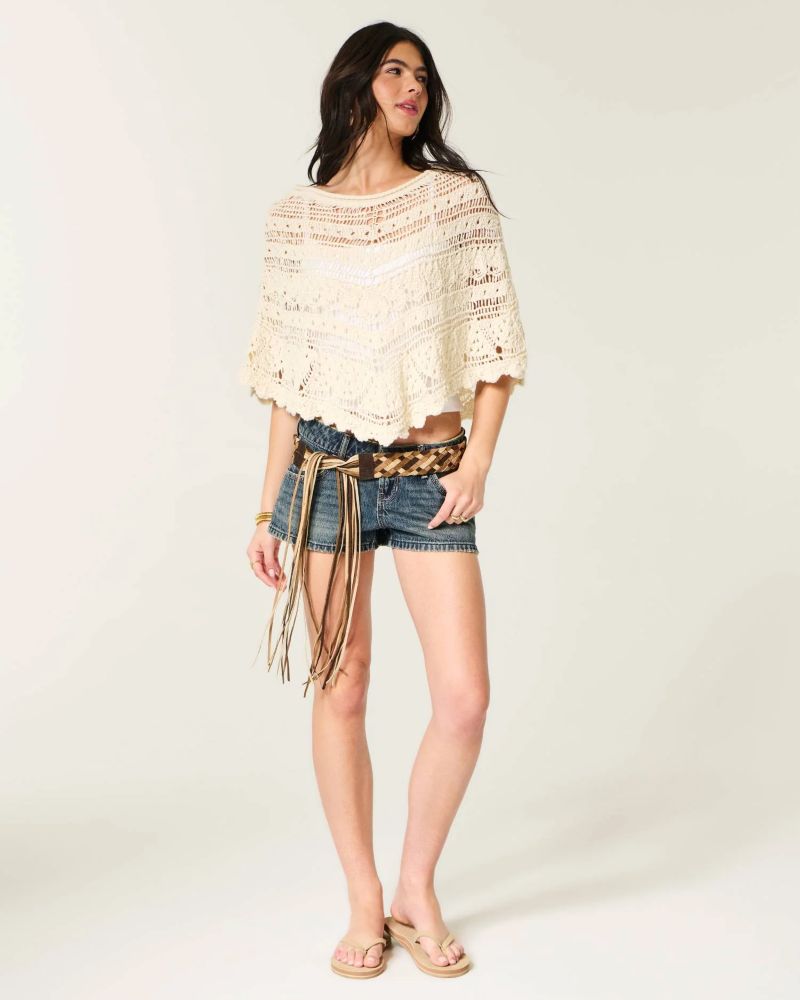
Photo Source: Hollister PH
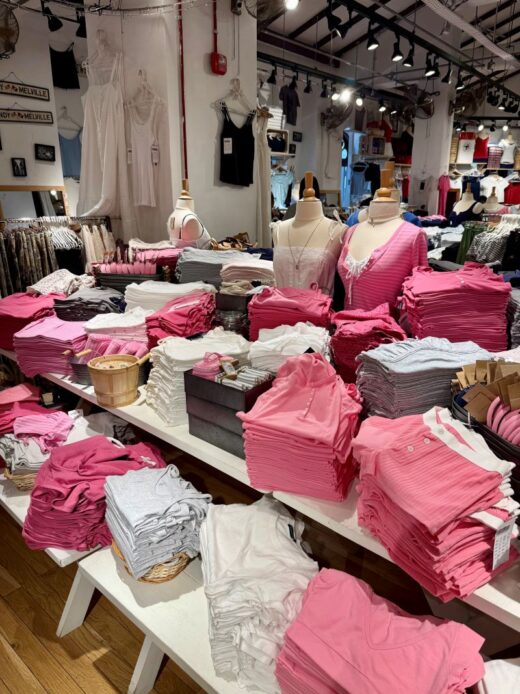
But Hollister isn’t the only clothing retailer that has been bringing back past aesthetics. Brandy Melville has been hopping on the 2000s-to-mid-2010s bandwagon with its 2026 releases.
I remember telling people only earlier this year, “I could never buy from Brandy Melville. Everything comes in one small size and the designs are boring.” Ironically enough, today, I own about four Brandy Melville pieces, all because of its recent releases that heavily draw inspiration from 2000s fashion and 2010s color schemes. I hate to say it, they were so cute that I fell for it. (Although, yes, some of the clothes still didn’t fit me, but you win some, you lose some, for 100% cotton.)
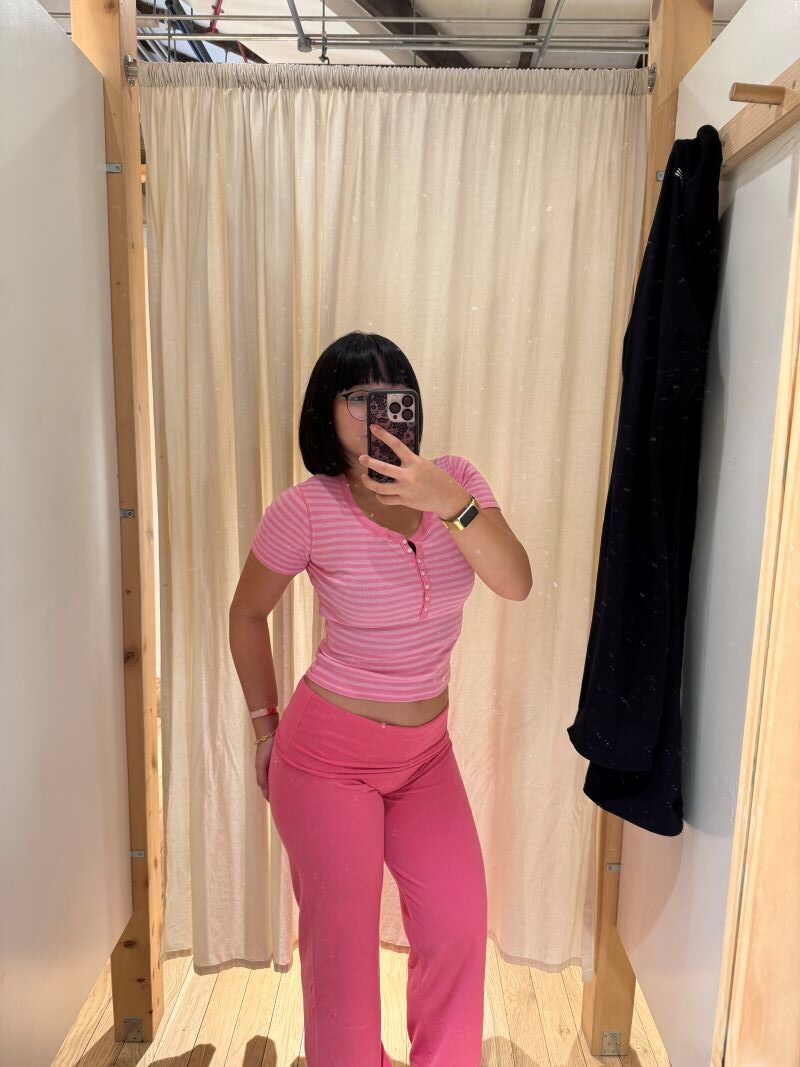
Brandy Melville has swapped the neutral shades I used to see for 2000s henleys, capris, and yoga pants in the popular, bright colors of the 2010s, such as teal (the color of 2026 summer) and coral.
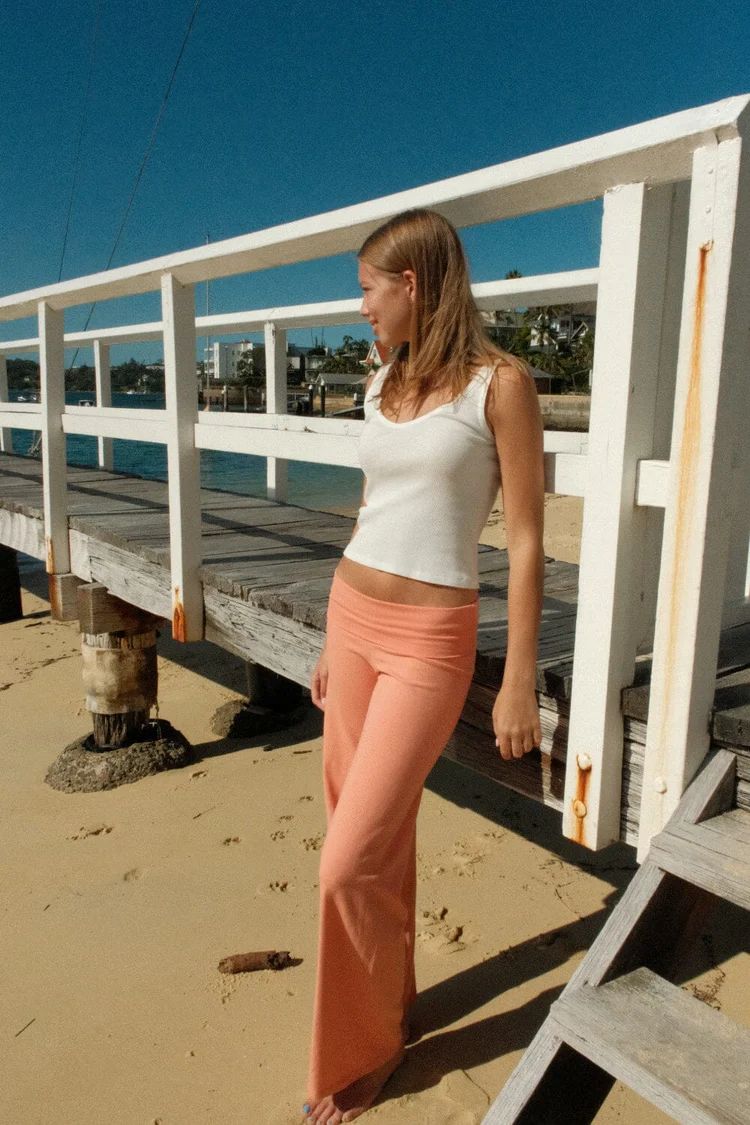
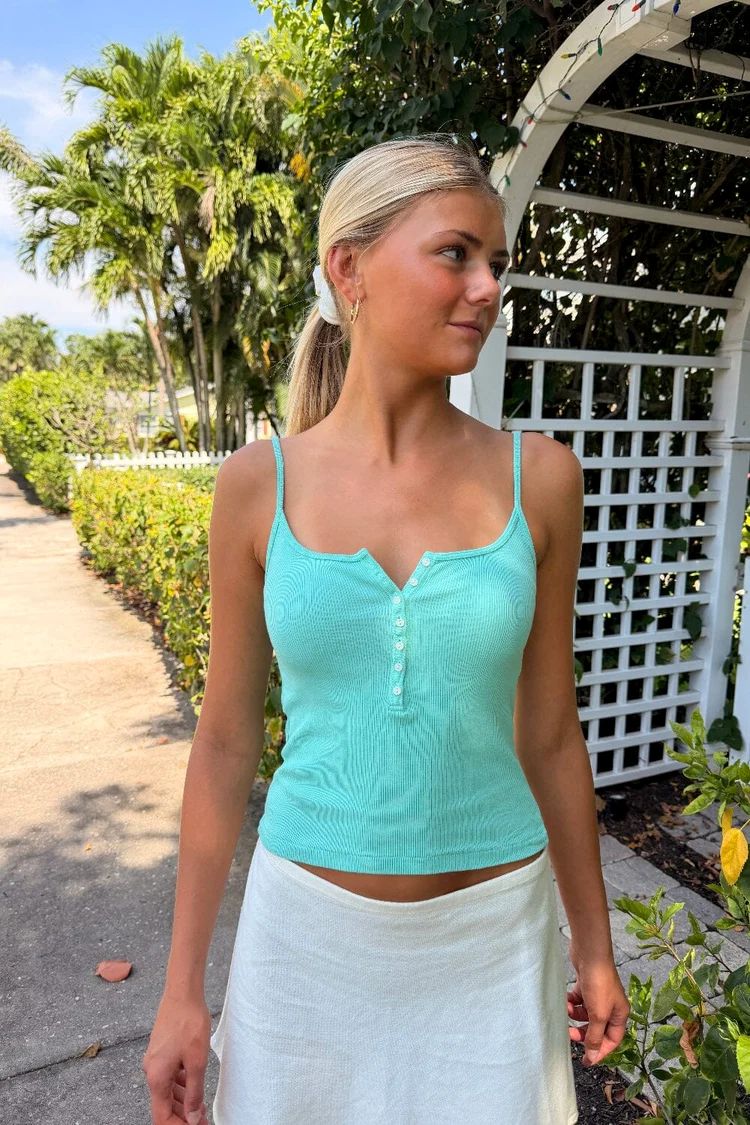

Photo Source: Brandy Melville
Two months ago, I caved in at their Singapore branch when I saw shades of pink on display, and purchased an outfit in that colorway.
A close friend even asked me to get her two pairs of capris and a teal tank. Also given the packed lines at Brandy Melville stores and many online posts hyping up its clothes, it’s clear that many have fallen for its nostalgia-driven pieces.
However, when it comes to “nostalgia farming” not only through design but also campaigns, the first brand that comes to mind is GAP, thanks to its collaborations with celebrities that rewind to the late ‘90s and early 2000s.
A recent example is its Denim On Your Own campaign, which debuted earlier this month with singer Malcolm Todd. It becomes part of GAP’s ongoing revival of its music video advertising formula, with Todd singing in the classic ‘90s Loose Jean.
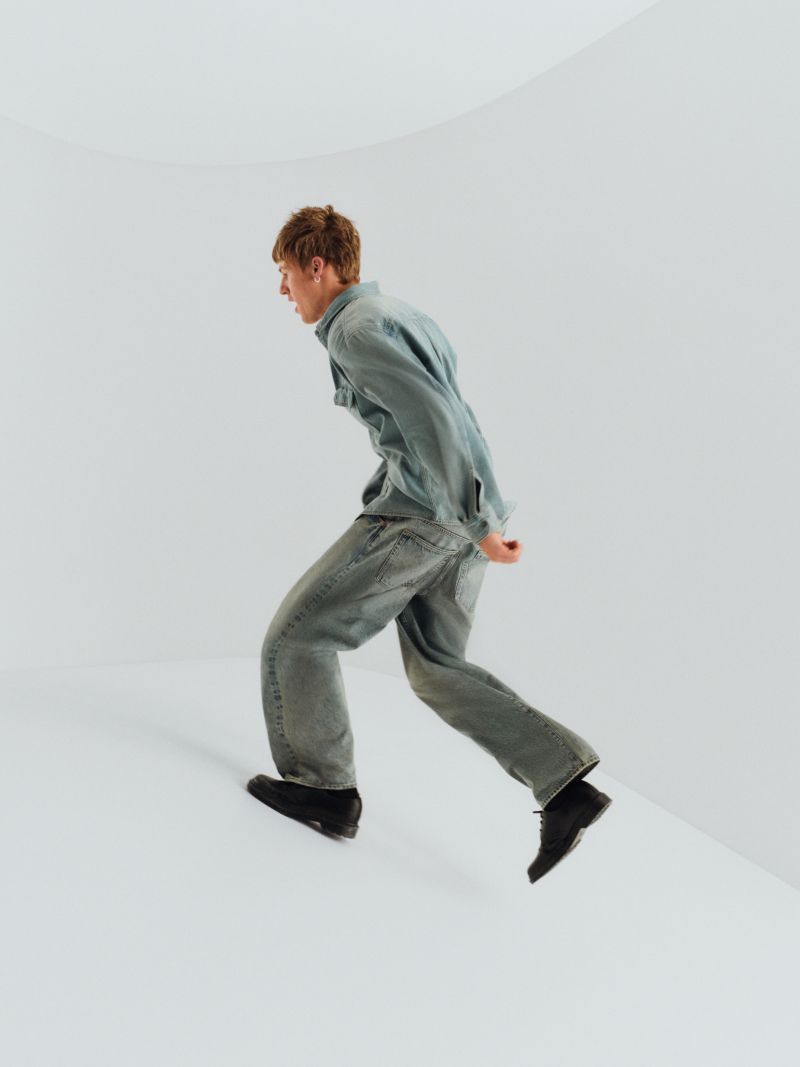

Photo Sources: IG @gap
Another GAP campaign that reminisces about the late ‘90s was last month when fashion icon Hailey Bieber released The Hailey Jean, a collection inspired by late-’90s relaxed denim. The commercial, featuring peak ‘90s song Linger by The Cranberries, leaned heavily into nostalgia, highlighting previous habits like taking physical photos and tearing out magazine clippings.
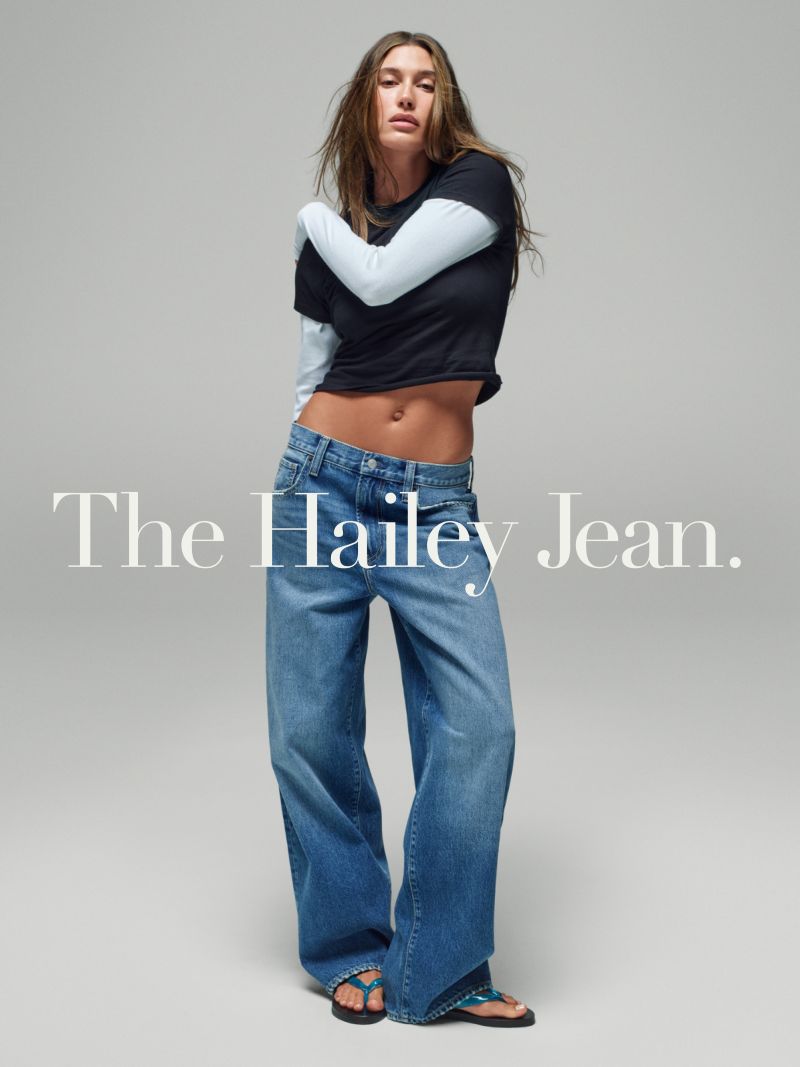
Photo Sources: IG @gap
One last example that’s hard to forget is the iconic Katseye x GAP Better in Denim campaign, which features the girl group dressed in 2000s-inspired outfits while dancing to Kelis’ early 2000s hit Milkshake.
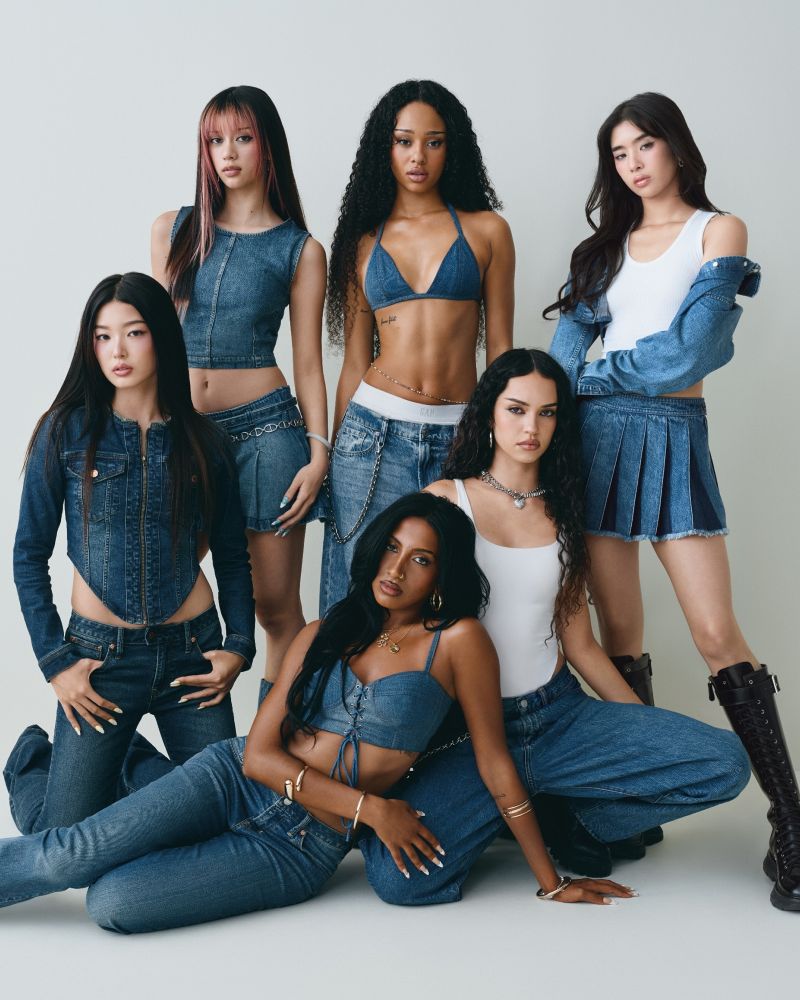
Photo Sources: IG @gap
Fundamentally, GAP made the perfect “nostalgia farming” formula for enticing GenZ consumers, combining music, nostalgia, and famous celebrities who appeal to us.
What these clothing brands have in common is that they found a way to regain their coolness by capitalizing on the past. And, as a member of GenZ, I’m not entirely opposed to it as long as they stay true to catering to a generation that really just seeks comfort in an era where everything is hyperdigital, algorithmic, and capitalist-driven.
SUBHEAD: ‘I miss when people weren’t afraid to be extra’
When I asked a couple of GenZers why they prefer late ‘90s to mid-2010s fashion, one from Manila said, “It has more color and personality compared to modern fashion’s neutral styles.”
Another from Singapore added, “Self-expression felt a lot more uninhibited back then. […] To me, fashion is about having fun and expressing yourself, and I miss when people weren’t afraid to be extra.”
Others also claimed that past aesthetics had more flattering silhouettes and color combinations, all while mentioning ‘90s shows they watched and the personal lifestyles as their inspiration growing up.
These responses highlight how GenZ prefers a tactile escape that transports us back to simpler times, whether it’s loose ‘90s jeans or bright 2010s colors in 2000s silhouettes that feel less rigid.
At the end of the day, I hope that if clothing retailers do continue to recycle the past, they will not use “nostalgia farming” solely as commercialization strategy, releasing one collection after another—but rather, have the intention to make it better.
Perhaps they can have more fun colors, prints, and higher-quality fabrics while keeping the classic silhouettes we’ve grown to love, because that is what GenZ truly desires: comfort and expression.


