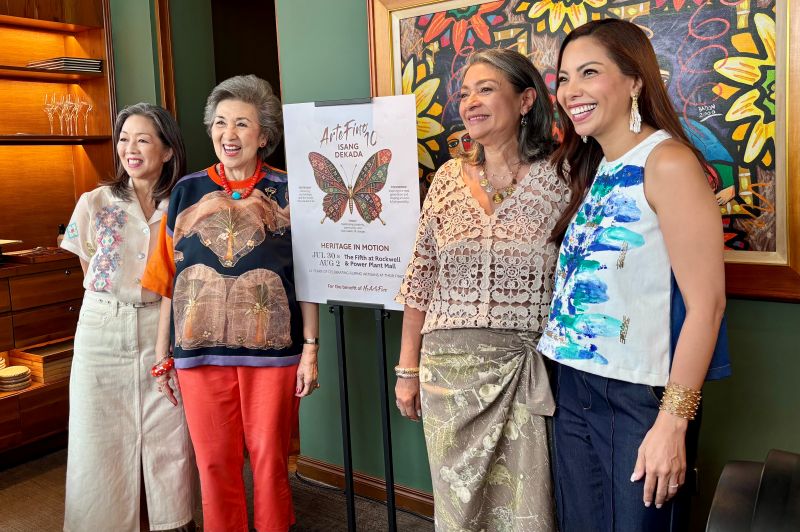
ArteFino is really a feel-good story at a time when many a Filipino so needs his pride of place, of heritage, and of identity. What’s even better is that the Artefino story is continuing and evolving.
Established in 2017 as an artisan fair, it is now on its 10th year and has launched the Artefino Isang Dekada, the huge event to include over 150 booths to run July 30-Aug. 2, 2026 in several venues at the PowerPlant Rockwell. From the idea and vision to give a platform to artisans and craftsmen from all over the country, and to bring their works to a growing market of consumers and lovers of indigenous products, Artefino has become a movement, a culture force of communities that produce indigenous crafts all over the country—from weaving, embroidery, to metal work. Artefino eventually became immersed in the sourcing and practice of these crafts and skills. It has been a movement that stands for a mindset: to discover, use, preserve—and now evolve—into what is Filipino.
Granted, what is Filipino is an encompassing term, but in the practices and achievements of Artefino, the term has come to focus on the process, the fabrics and materials and skills developed in communities for generations—an ecosystem that has been relegated to the margins of trade and retail, if not totally ignored and forgotten.
Artefino the movement has cast the nationwide net for traditional and indigenous communities that continue to practice their crafts and to draw livelihood from them, no matter how meager. These artisan communities have become Artefino’s partners.
“It is simple….partnership with a purpose,” said Mercedes “Cedie” Lopez-Vargas, one of the founders of Artefino, during the media launch of Artefino Isang Dekada.
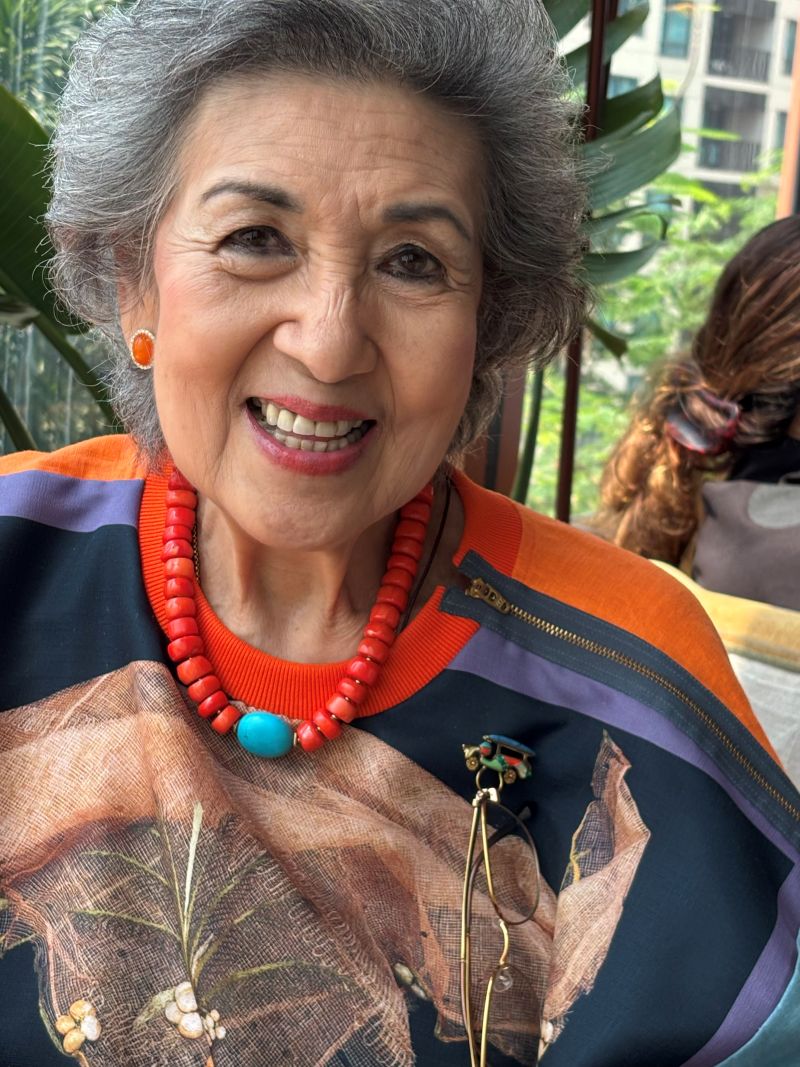
Cedie Lopez-Vargas: ‘Every handcrafted piece sustains a life’
“Every handcrafted piece sustains a life…. A story worth telling…every tradition deserves a future. Every artisan deserves an opportunity to thrive.”
She said that when heritage “continues, it inspires generations….to become powerful stewards of cultural identity.”
RELATED STORIES
Resort by ArteFino 2026 celebrates the craft inspired by Filipino slow living
One ArteFino success story began with Cedie Vargas kayaking through Abatan River
Why this Christmas’ Artefino is special
Artefino celebrates National Heritage Month with fundraising event
Artefino proves that right. Cedie noted how, the past decade, the Artefino market has widened to include the GenZ and the millennials. “It’s a younger demographic that’s asking questions…. where is this product made, what’s in it…This is a conversation we really want to have.” This is the generation raised on environment awareness and sustainability.
Cedie noted how some of those who used to come to Artefino with their mothers now have their own collections showcased at Artefino, “meaning we’ve been able to communicate our messages.”
Moving on, this coming decade, Cedie says the direction is to even “go deeper, working down the value chain.” Artefino will immerse itself further in the production of indigenous fabrics from local fibers, how the process can sustain the community.
For instance, Cedie cites the example of further experimenting with pineapple thread wastes—a high-potential community project to start the decade. Artefino has been showcasing products, particularly garments, produced from the downcycling and upcycling of materials. The next decade will see Artefino working with institutions and communities in developing local fibers into fabrics.
Maritess Pineda wears ingenious eyeglass ring
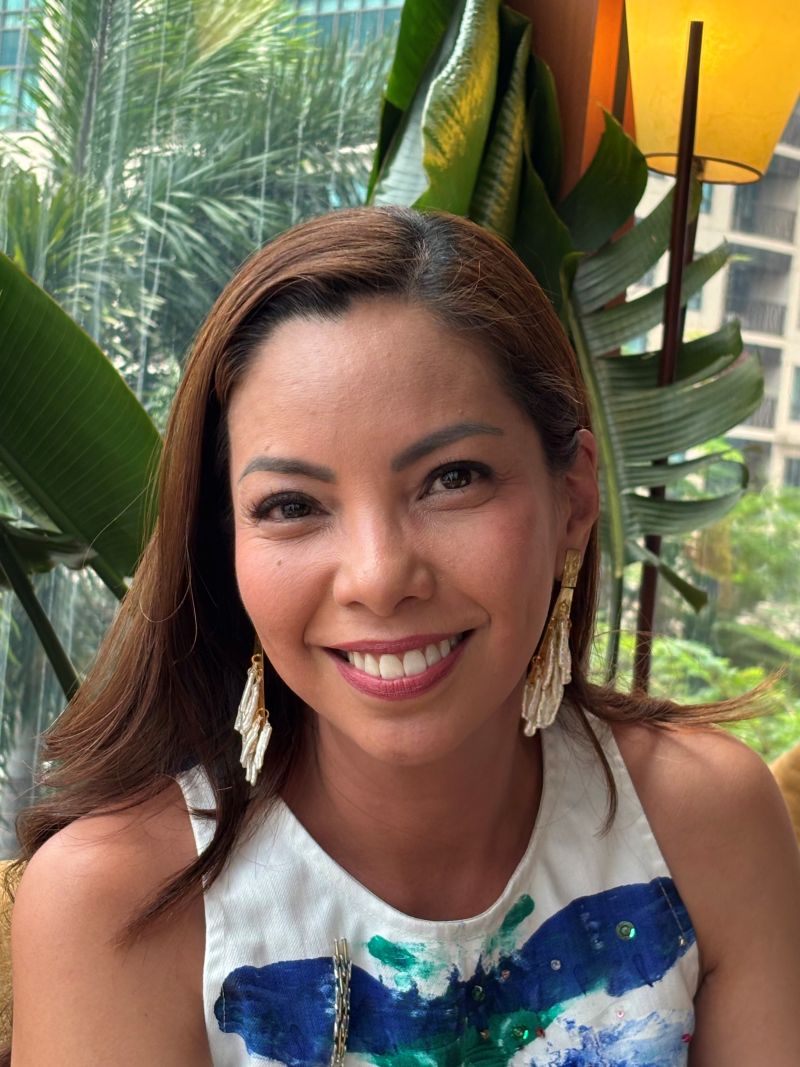
Marimel Francisco wears Arnel Papa’s earrings.
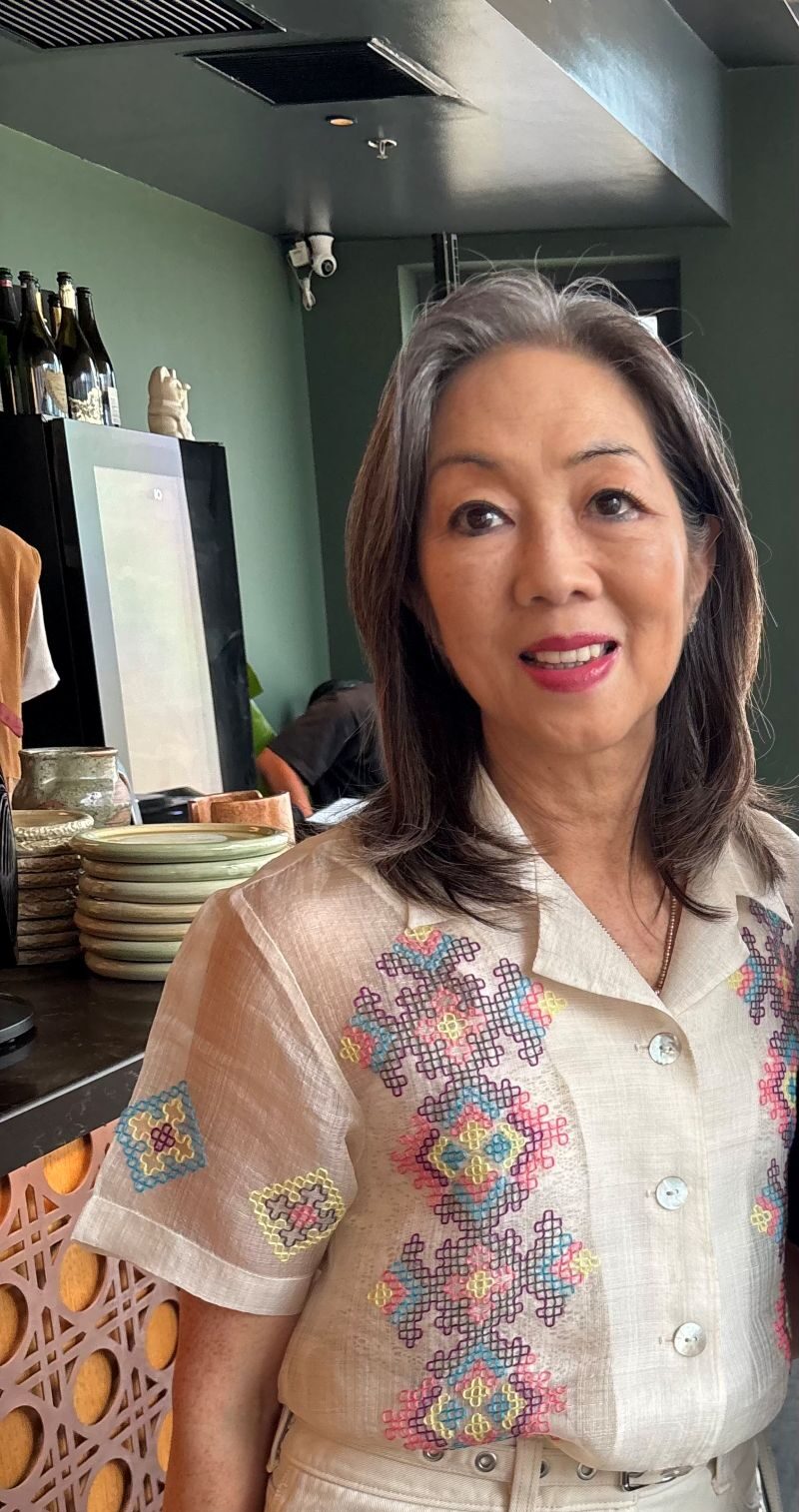
In the Artefino board are women with the tenacity to see the vision and movement through: with Cedie are Maritess Pineda who, as an exporter, worked with the legendary pioneer of Citem, Mina Gabor and Eli Pinto; Armita Rufino, Susie Quiros, Marimel Francisco.
The July Artefino fair will showcase the Dekada Collection that media got a preview of.
-

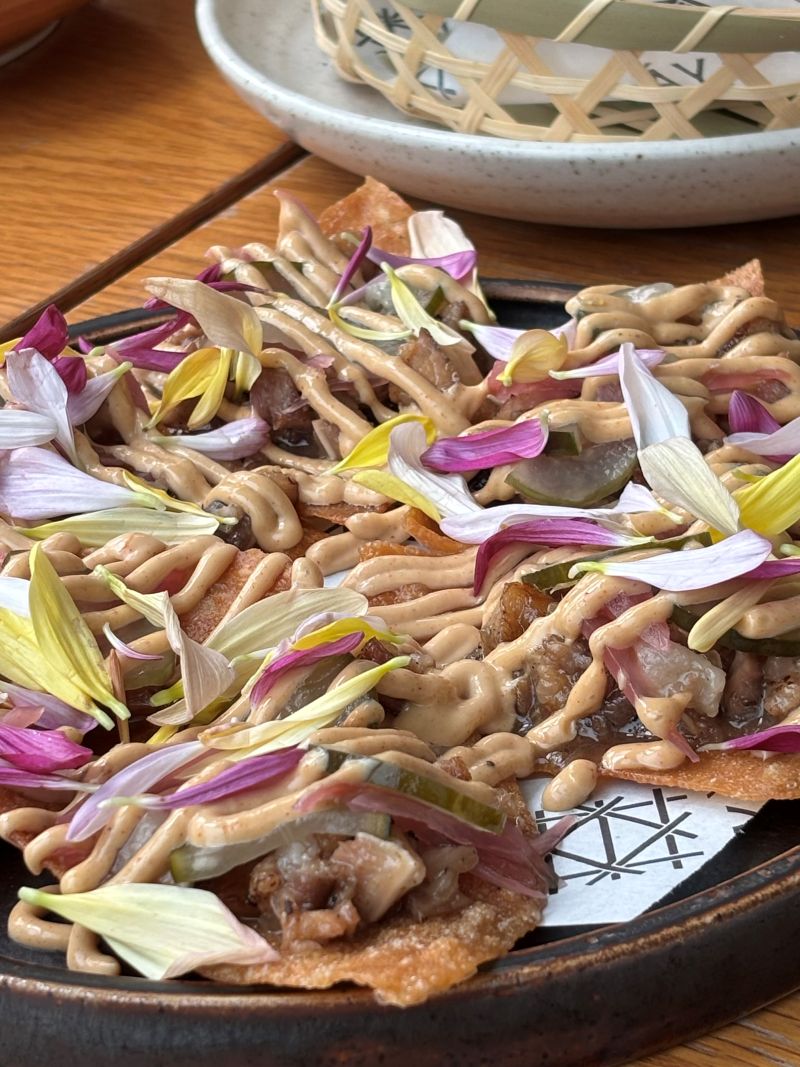
- ‘Warek-warek’ (grilled pig’s face, crisp lumpia, dinakdakan aioli, cucumber, red onion pickles) by Aya Hapag
-
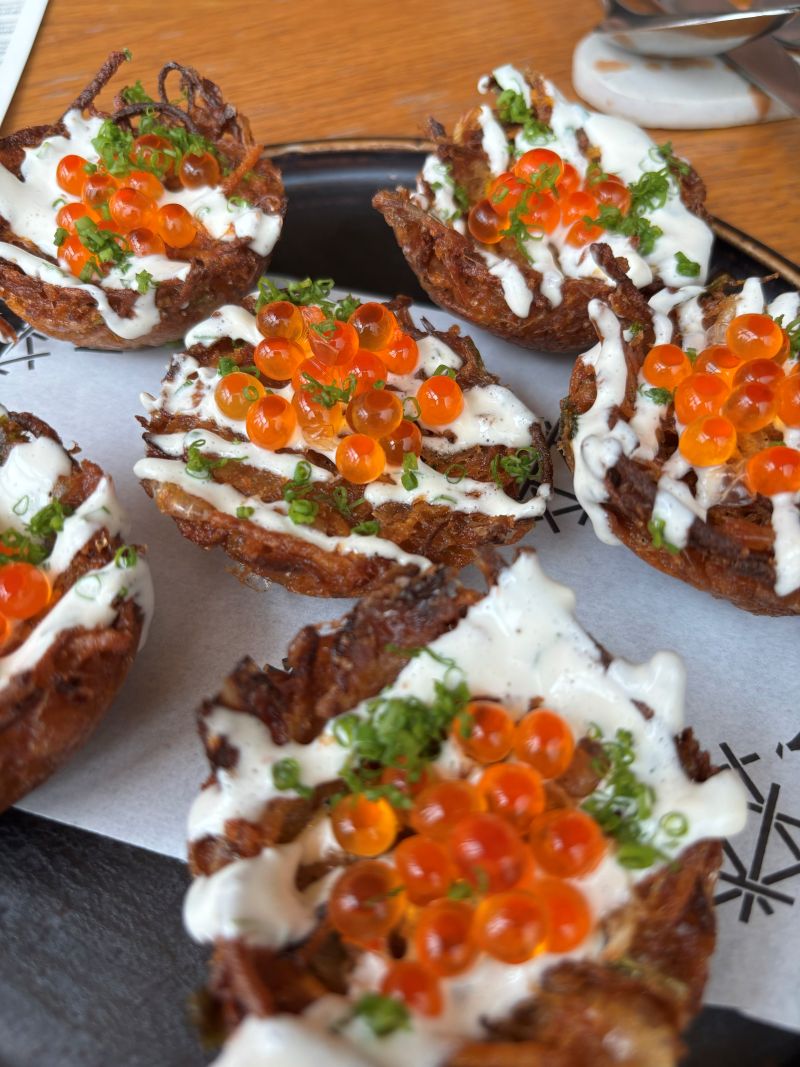
- ‘Okoy and Pearls’ (Tagunton baby shrimp and vegetable okoy fritters, pinakurat sour cream and chives, ikura) by Aya Hapag, at press meet
-
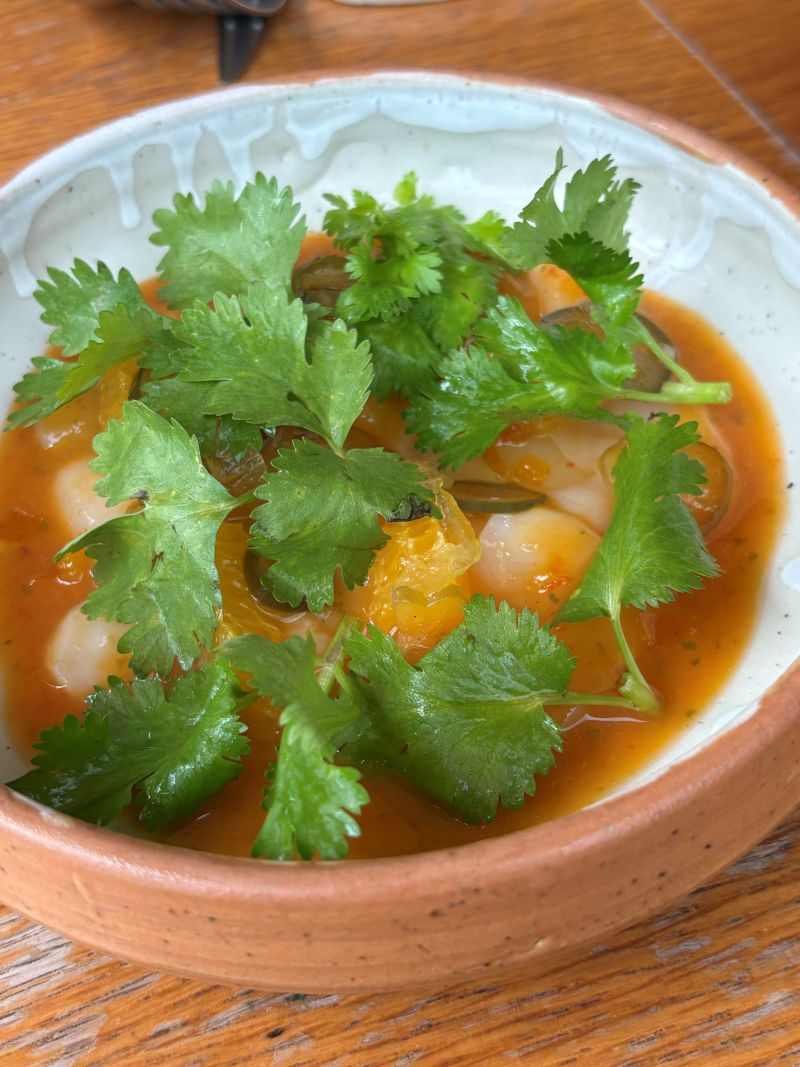
- ‘Kinilaw scallops’ by Aya Hapag, Artefino press meet