
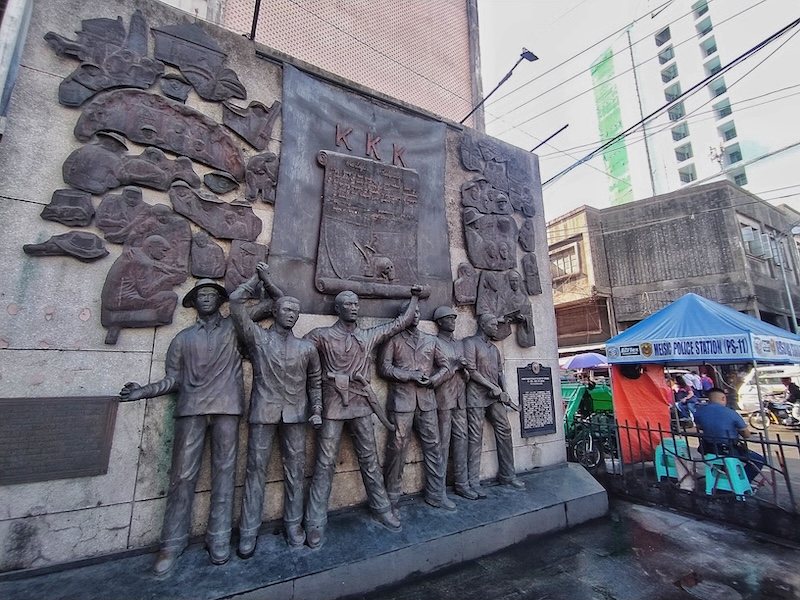
The Katipunan Marker: In the middle of madness lies the birthplace of the Katipunan.
Divisoria doesn’t ease you in. It throws you straight into the middle of things—noise, movement, heat, and energy all colliding at once. It’s a place you don’t just visit; you walk through, get lost, and eventually learn to read.
Over the years, Divisoria has become one of those places I return to, not just physically but in memory—a district that reflects how Manila itself survives, adapts, and carries on.
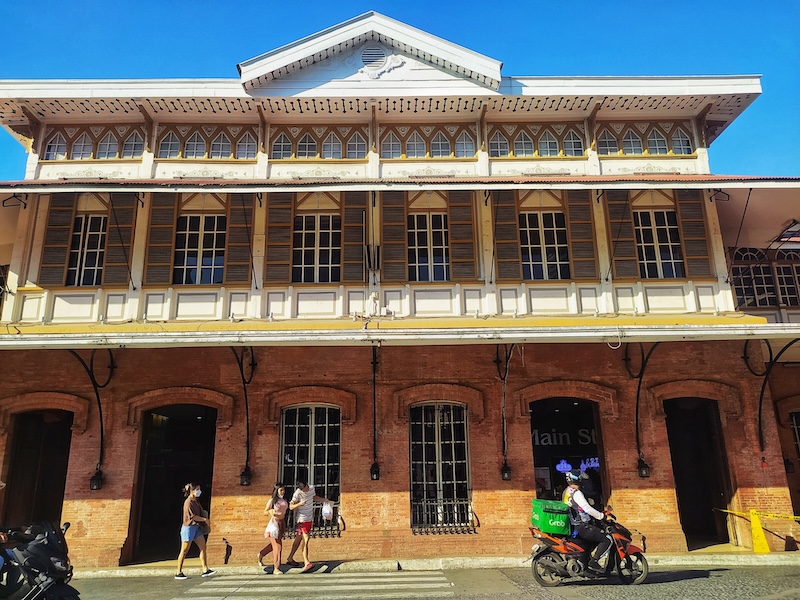
Tutuban Mall: Rising from the legacy of the historic Tutuban train station
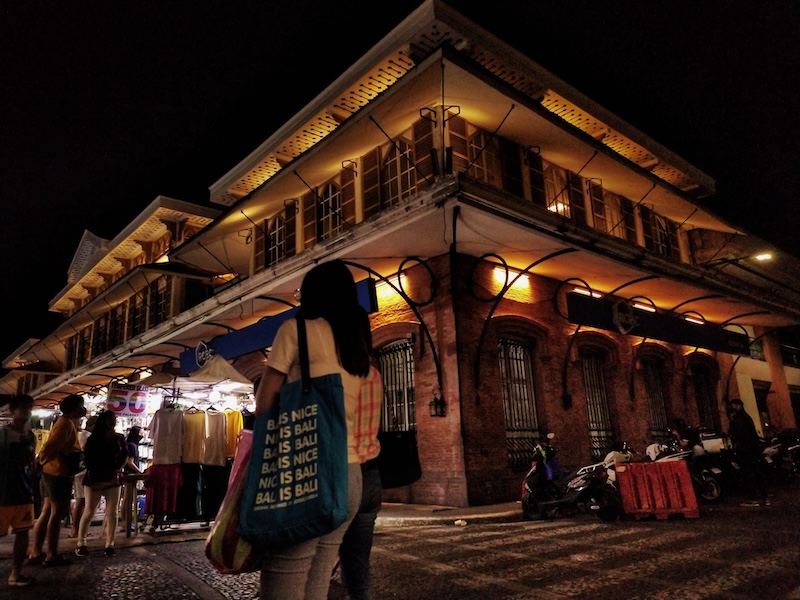
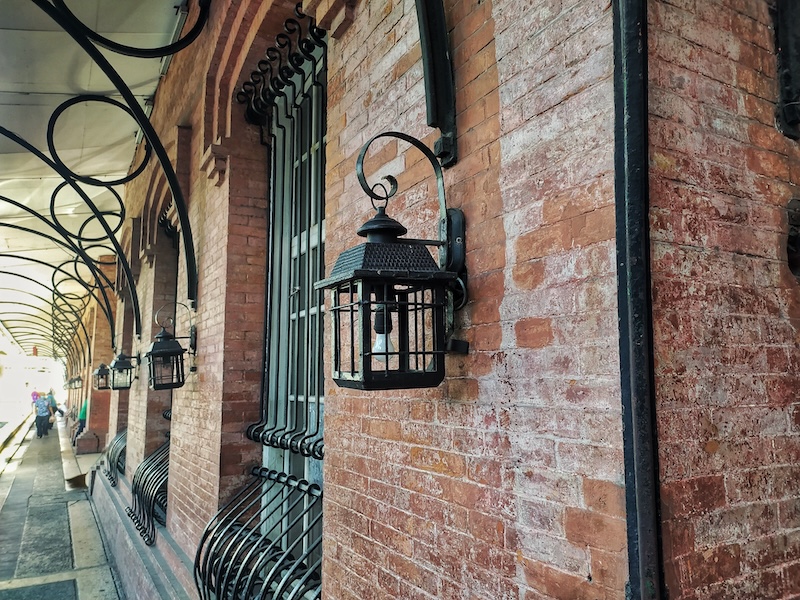
My first encounter in Divisoria was in the early 1990s, when Tutuban Mall had just opened. Suddenly, there was an airconditioned space right in the middle of chaos. But Tutuban was more than just a mall. It stood on the site of the old Tutuban Railway, once the northern terminus of the Manila-Dagupan line built in the late 19th century. The trains were gone, but movement remained. Divisoria had simply found another way to keep things going. Instead of erasing the past, the district built over it, repurposing space while keeping its purpose alive.
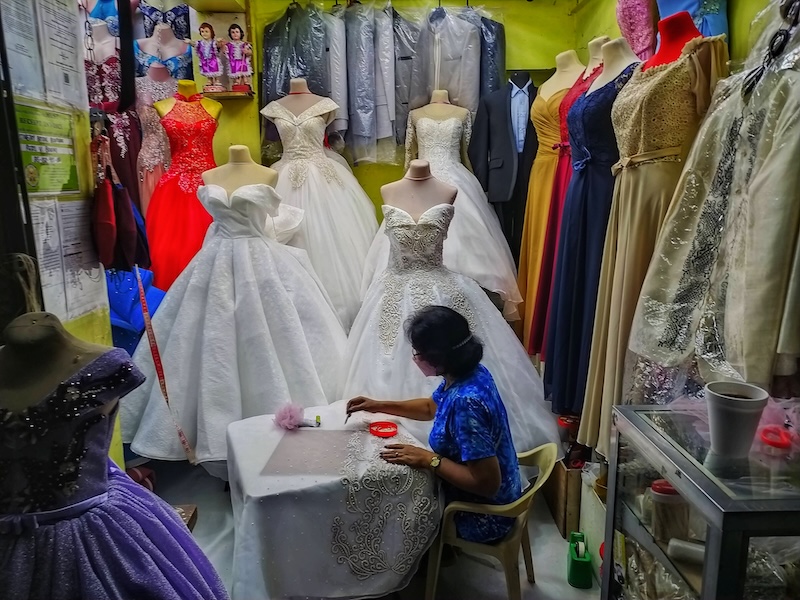
On Ilaya Street, bolts of fabrics and racks of gowns surround a worker quietly stitching the details that will soon shine at weddings and proms.
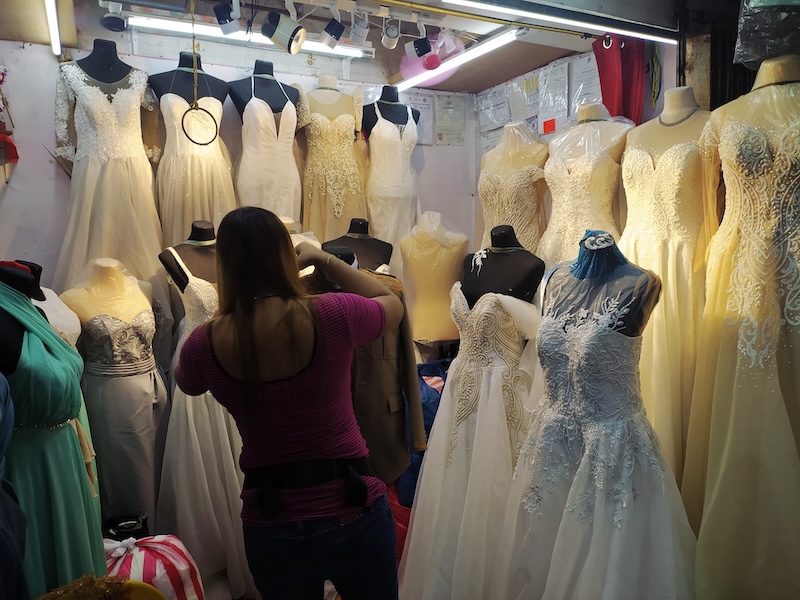
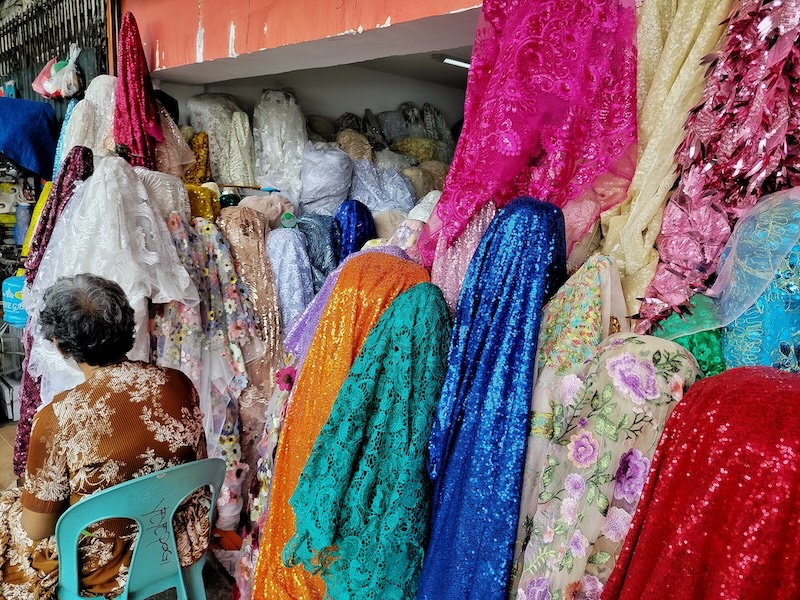
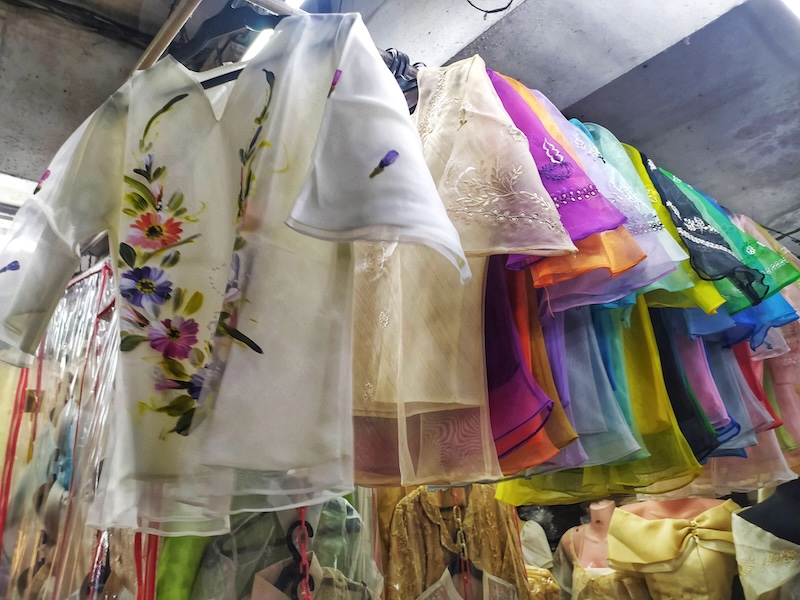
During and after the pandemic, I found myself returning to Divisoria with a different mindset. With fewer crowds at certain times and more patience to walk around (on a bike during the pandemic), I began exploring the familiar malls. Streets like Ilaya, Juan Luna, and the smaller side roads revealed another layer of Divisoria—less polished, more raw, but deeply fascinating.
Each street seemed to specialize in something different. One was packed with textiles stacked floor to ceiling; another overflowed with plastic goods, toys, or kitchenware sold in bulk. Walking through these streets meant constantly adjusting your pace—dodging carts, stepping aside for men hauling massive sacks, and squeezing through spaces that barely seemed passable especially on some special occasions.
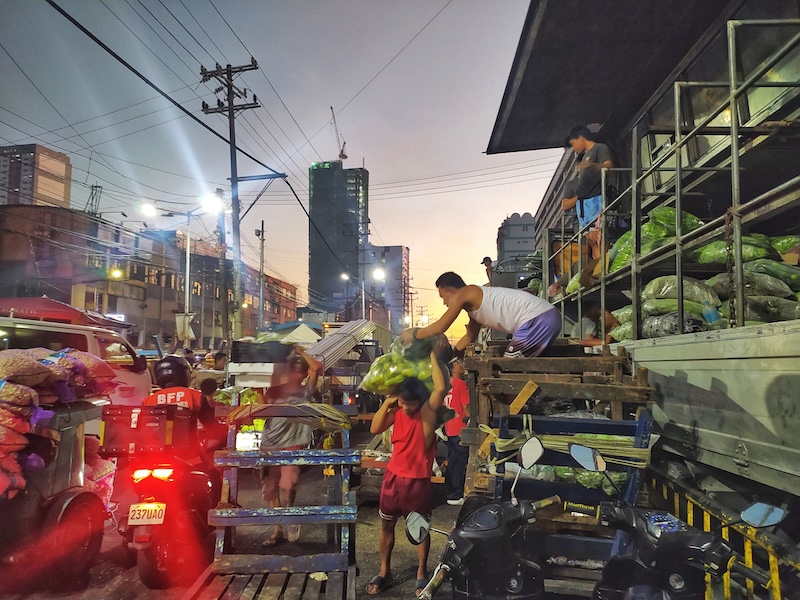
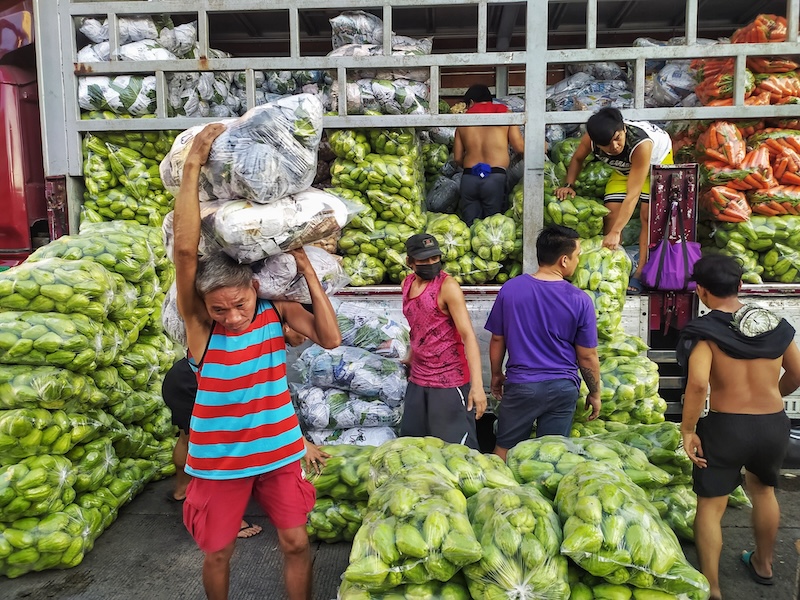
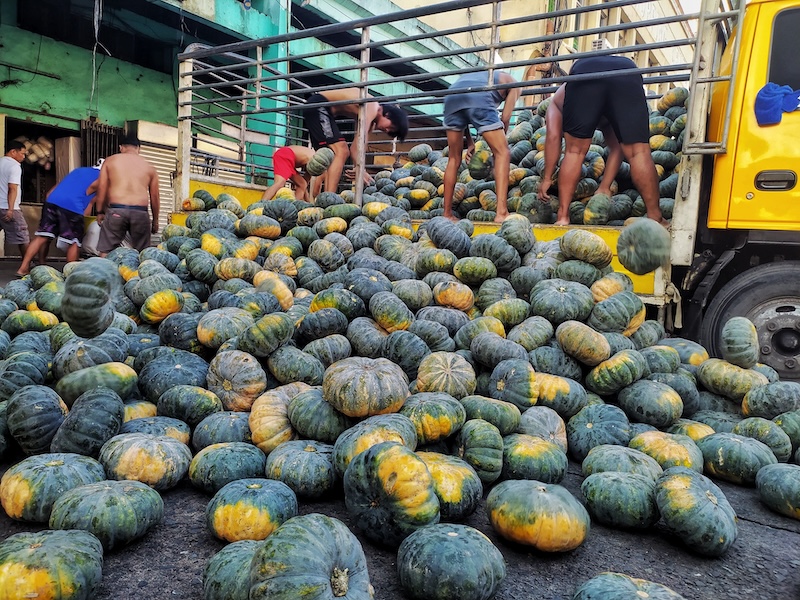
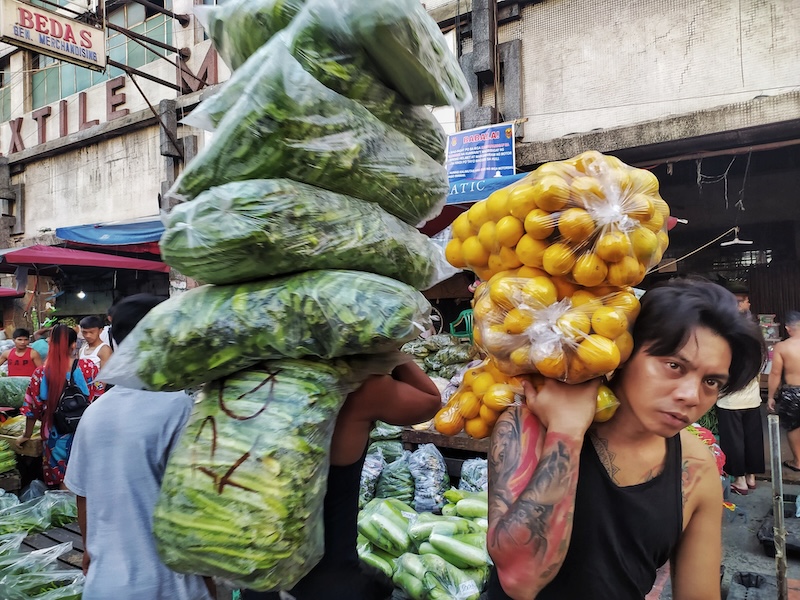
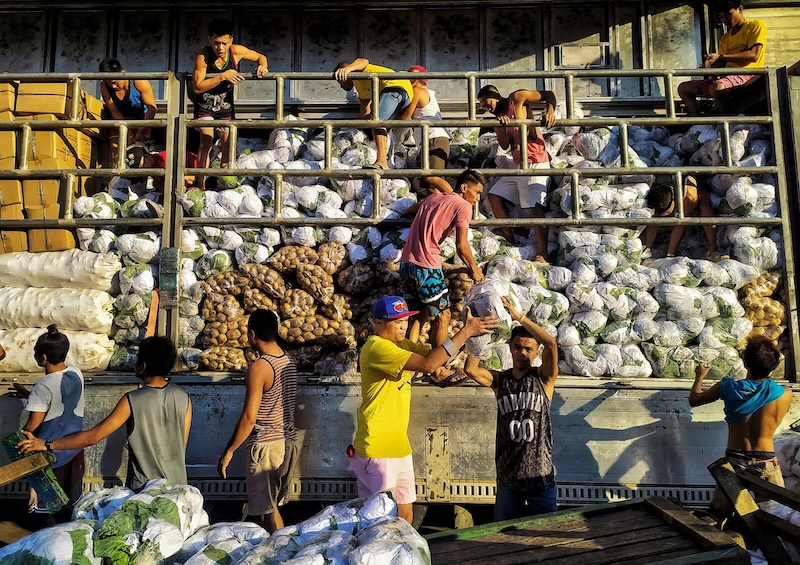
One of the things I came to appreciate most was Divisoria’s role as a major trading post (bagsakan) for vegetables and produce from around Luzon. Just as most shops prepare to wrap things up in the late afternoon, trucks arrive loaded with cabbages, carrots, onions, and other essentials. These goods are quickly unloaded, negotiated over, and redistributed to wet markets and retailers across Metro Manila.
Watching this unfold is intense. Wholesalers and retailers meet in fast, noisy exchanges. It’s exhausting just to observe, but for the people who work here daily, this is life. This is how the city eats.
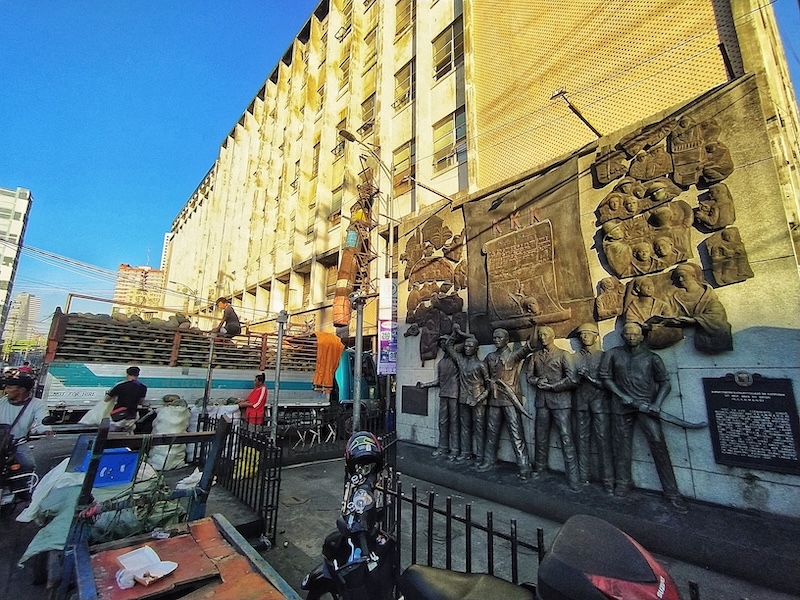
The Katipunan Marker: In the middle of madness lies the birthplace of the Katipunan.
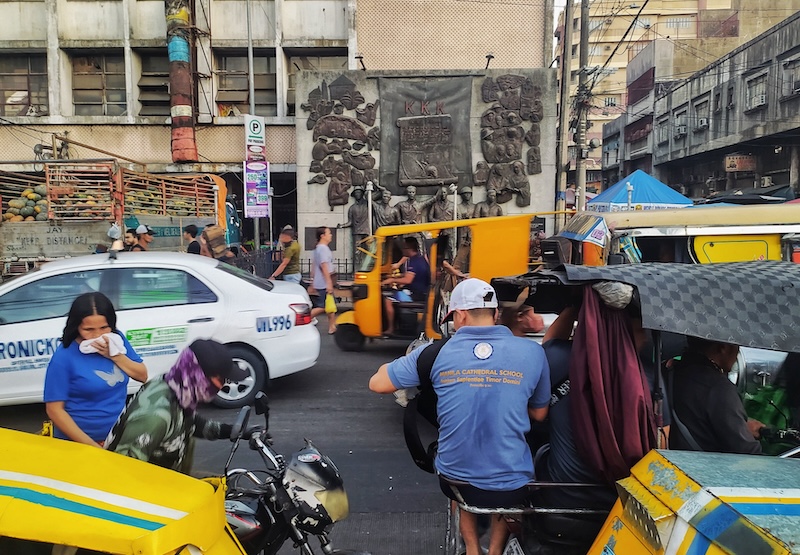
What surprised me most during my later explorations was how much history sits quietly and unnoticed within Divisoria, almost forgotten. Somewhere within its crowded streets (Recto and Elcano) stands a “hidden” historical marker believed to be the birthplace of the Katipunan (KKK), led by Andres Bonifacio. The idea that a revolutionary movement began in a place now surrounded by commerce and noise felt deeply symbolic.
In Divisoria, the past doesn’t announce itself. It simply exists, waiting for those who choose to look.
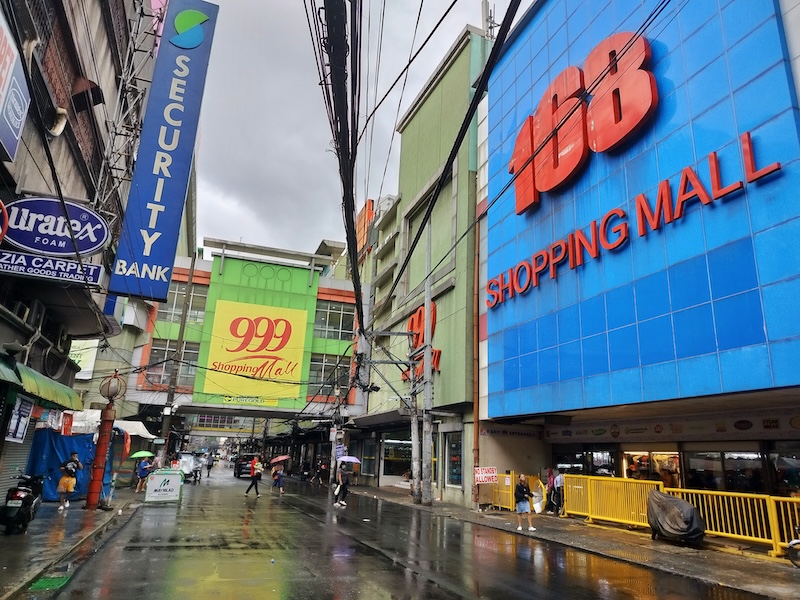
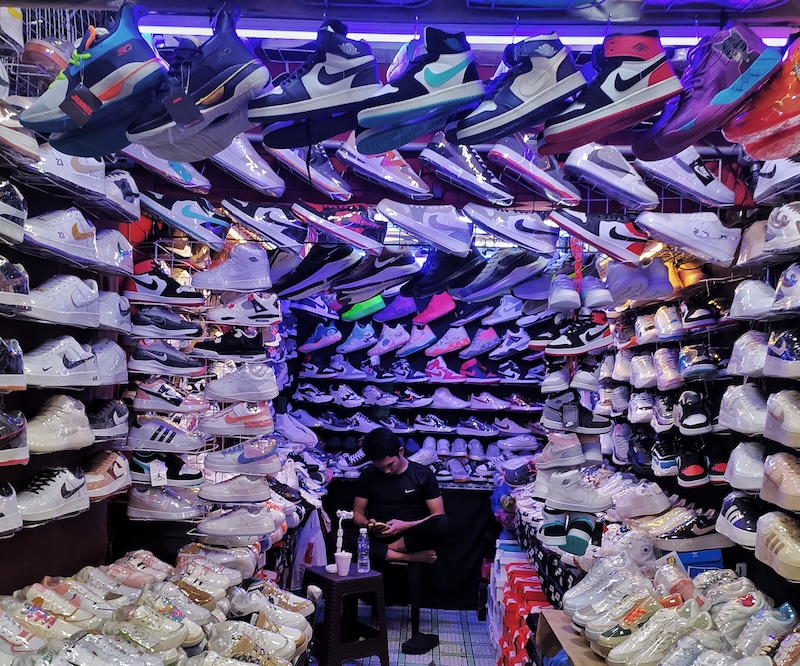
Knockoffs, bargains, and endless choices both from sidewalks and malls.
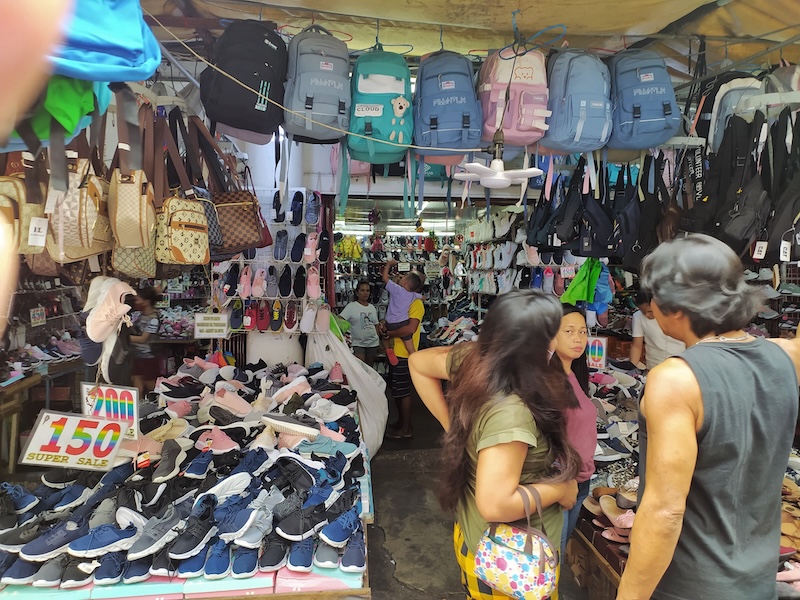
Over time, Divisoria has continued to evolve. From Tutuban Mall, it expanded to include shopping centers like 168 Mall, 999 Mall, Divisoria Mall, and Lucky Chinatown Mall. These developments changed the skyline and the shopping experience, but they didn’t erase what came before.
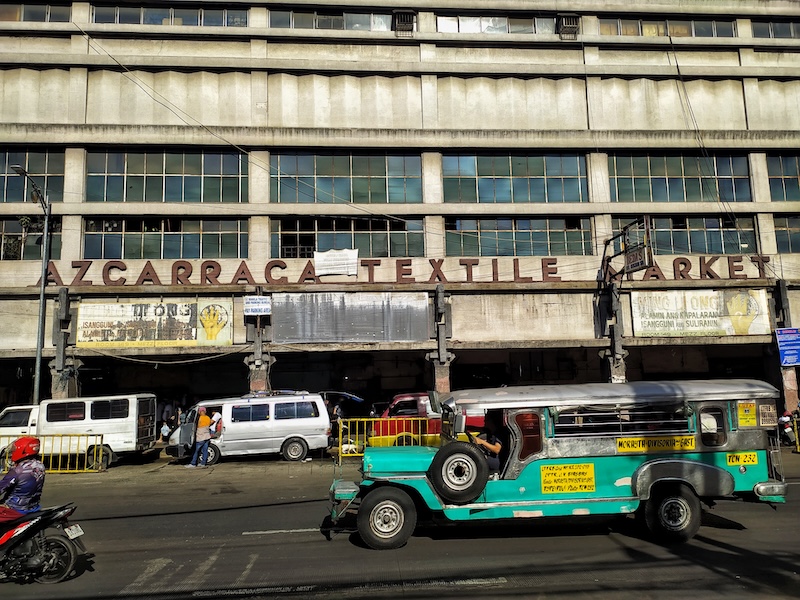
The old Azcarraga textile market (now demolished), a remnant of the old Divisoria
Divisoria is not neat or quiet. It is loud, crowded, and unapologetically chaotic. But beneath the chaos is resilience. People work long hours, push through exhaustion, and keep going despite fires, floods, pandemic, and economic uncertainty.
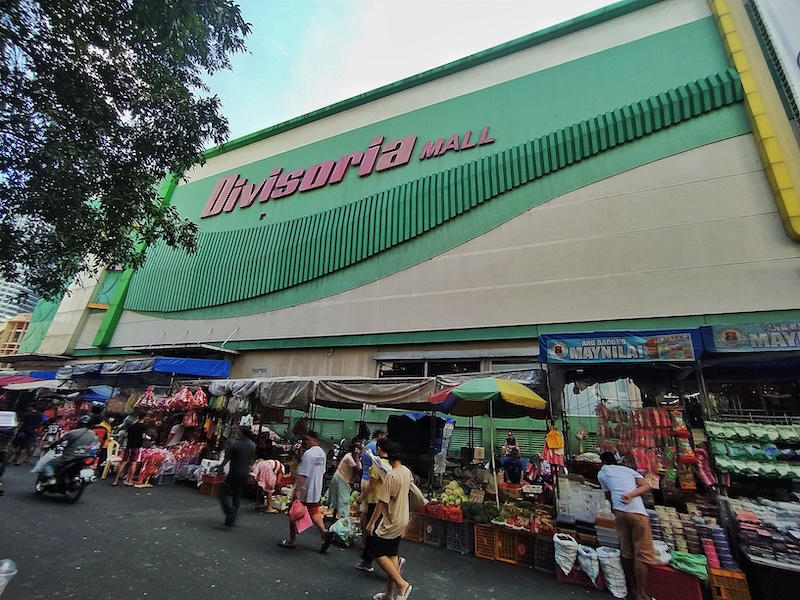
Portions of Divisoria Market that were reportedly sold by the local government for P 1.45 billion to raise funds for its pandemic projects
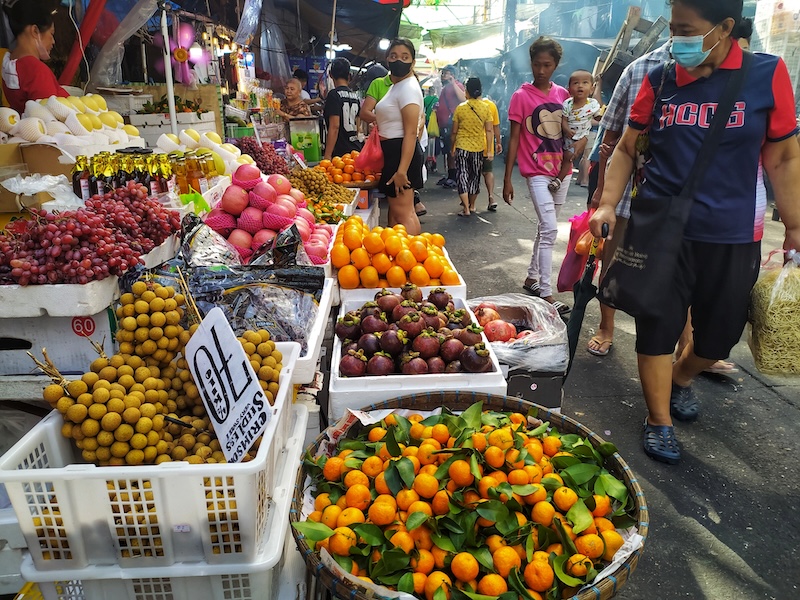
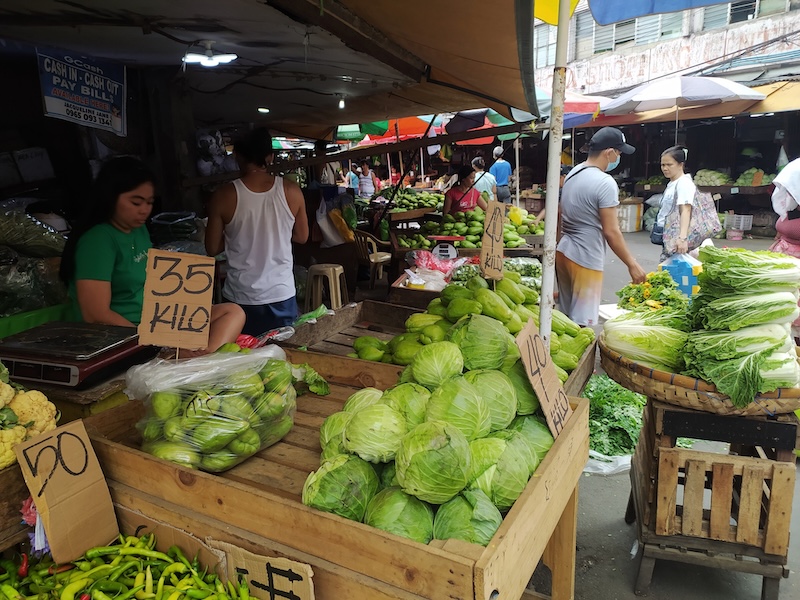
For me, Divisoria has become more than a shopping destination. It is a microcosm of Philippine society, a place where history, labor, ambition, and survival intersect. It has survived through time not by standing still, but by constantly moving forward.


