
At the SPACE at One Ayala last Sept. 26, Bench Fashion Week’s first day split fashion between the familiar and the fantastical. Three foreign labels showed how far everyday basics could be pushed through styling and accessories, while three Filipino designers built collections from stranger source material, from recordings of humankind captured in the late 1970s and sent into space, to a master’s childlike bird studies and discarded electronic parts turned into suiting, with prints developed under the sun.
8seconds
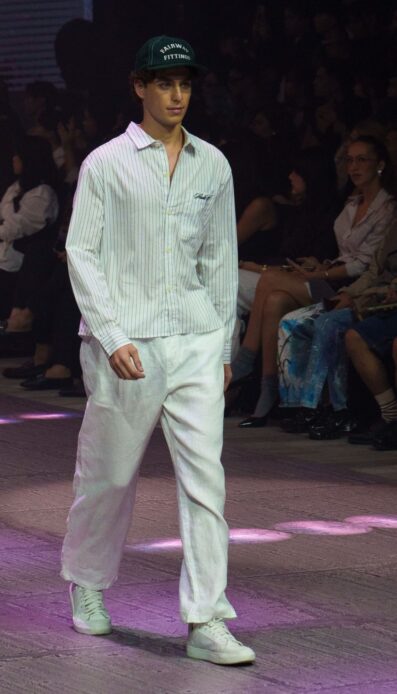
The holiday wardrobe at 8seconds is made for people who want their clothes to travel without making a production of it. The Korean brand’s latest collection takes a jetsetter approach to everyday dressing, mixing practical pieces with enough polish to work beyond the airport. Garterized trousers for men and women are cut to resemble dress pants while retaining the comfort of an elastic waist. For men, graphic shirts, everyday shirts, and pullovers suited to office wardrobes remain key pieces. Denim is also expanding, with several new styles arriving in the coming season and a fuller collection of denim bottoms planned for next year. Red supplies the Christmas note, while gold details appear through December.
-

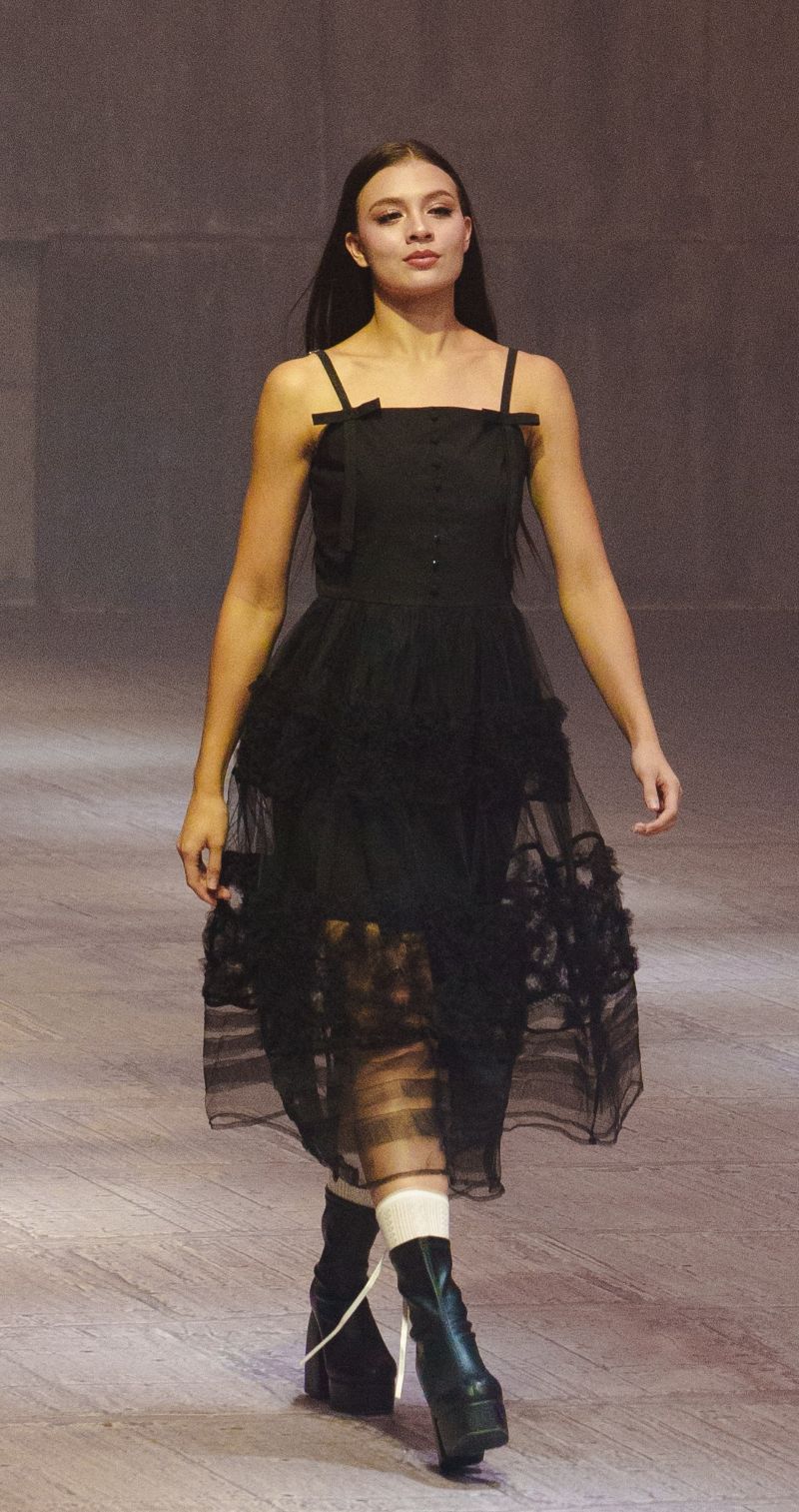
- 8seconds spaghetti strapped dress with tulle skirt worn with white socks and boots
-

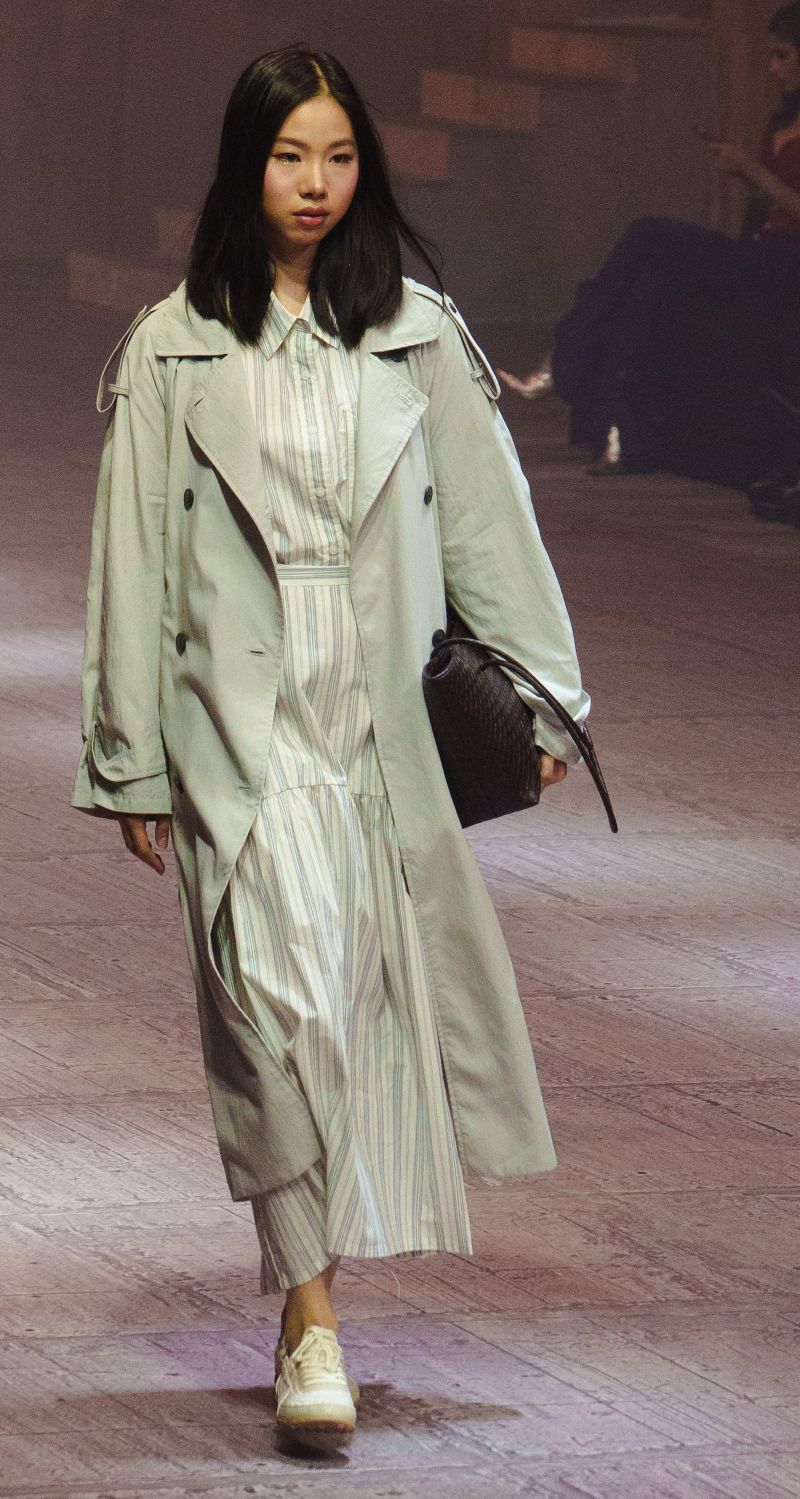
- 8seconds light gray trench over striped dress
-

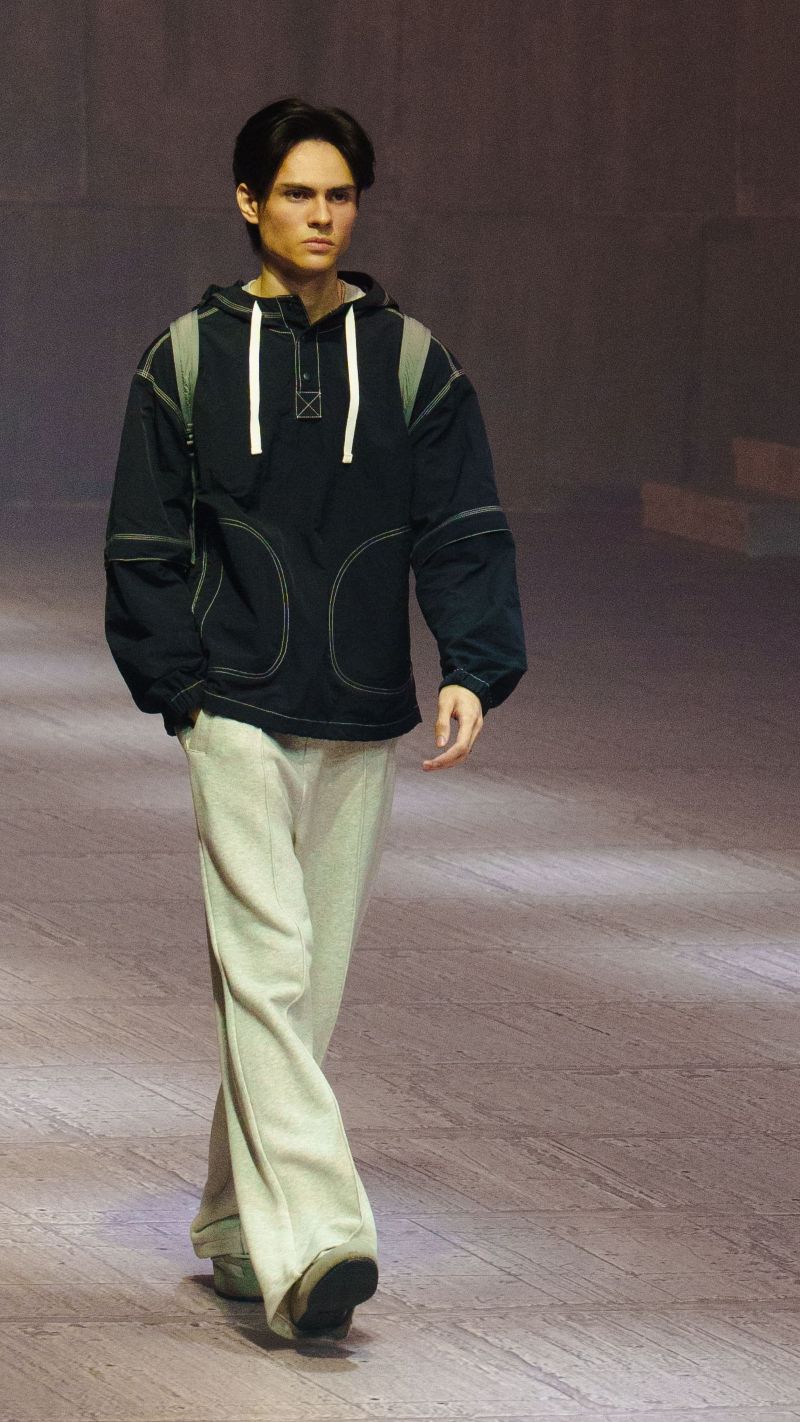
- 8seconds dark pullover with contrasting outline stitching paired with cream wide-legged pants
-

- 8seconds plays with proportions in this zipped-up hoodie and loose shorts.
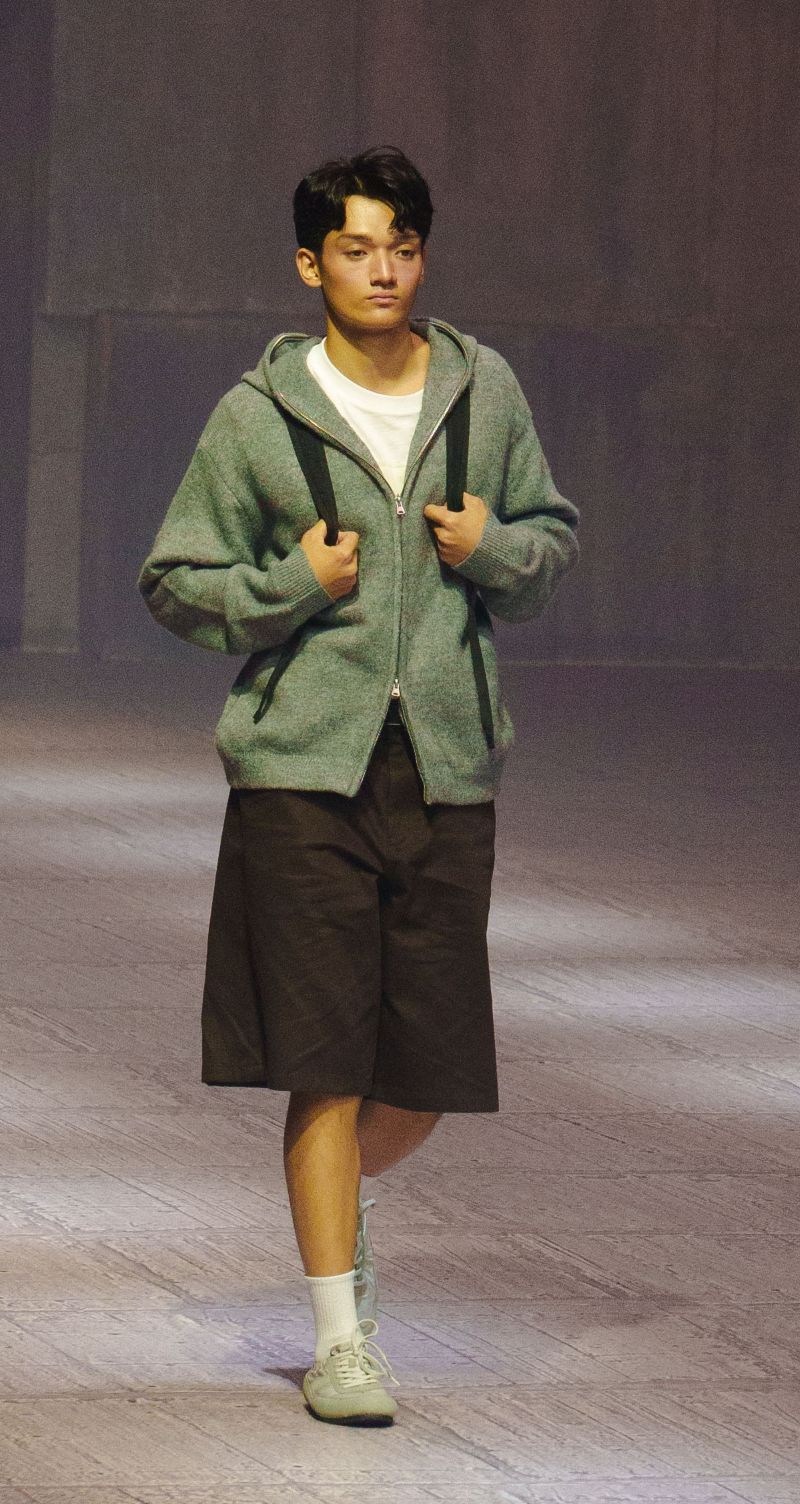
The collection also blurs the line between tailoring and casualwear. Oversized, muted trench coats fall over soft patterned dresses, while relaxed knit hoodies, technical windbreakers with contrast stitching, wide-leg trousers, and tailored shorts give the menswear a mix of structure and ease. The women’s pieces bring a little more skin through asymmetric knitwear, lace, and satin. The palette stays restrained, moving through olive, sage, black, soft gray, and cream.
Then comes a more romantic turn. For “Bouquet of Hearts,” its collaboration with designer Minju Kim, 8seconds takes its everyday vocabulary into more decorative territory. The women’s collection, launching in November, uses embroidery, ribbons, frills, and delicate shoulder straps, with tiered tulle and heavier footwear keeping the look from becoming overly sweet. Lynette Cruz, marketing manager of 8seconds Philippines, said the collaboration brings together the sensibilities of the brand and Kim, while remaining rooted in clothes that can be incorporated into an everyday wardrobe. The collection will be priced somewhat higher than the regular 8seconds line.
The ladylike direction builds on one of 8seconds’ strongest women’s categories, knitwear, particularly colored knits. Here, familiar pieces are given a more decorative treatment through embroidery and feminine detailing.
That balance between fashion and practicality goes back to the brand’s beginnings in Korea. Cruz said 8seconds was conceived with the ambition of becoming the “Zara of Korea,” combining current fashion with affordability. In the Philippines, the brand retained its tagline about capturing the hearts of its market within 8seconds. Basic pieces start below ₱1,000, while more elaborate items reach about ₱5,000.
Urban Revivo and Cotton On
Urban Revivo and Cotton On
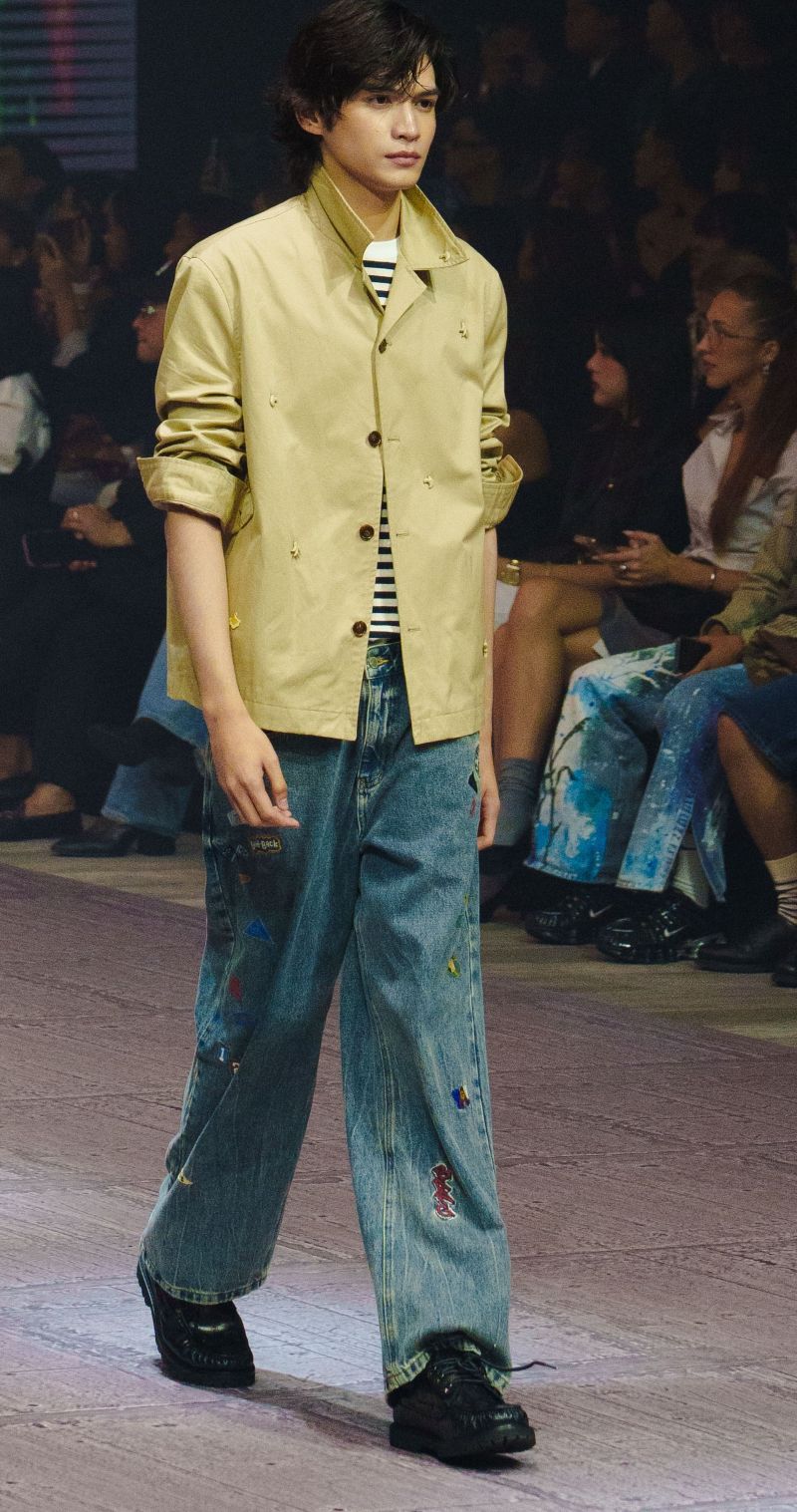
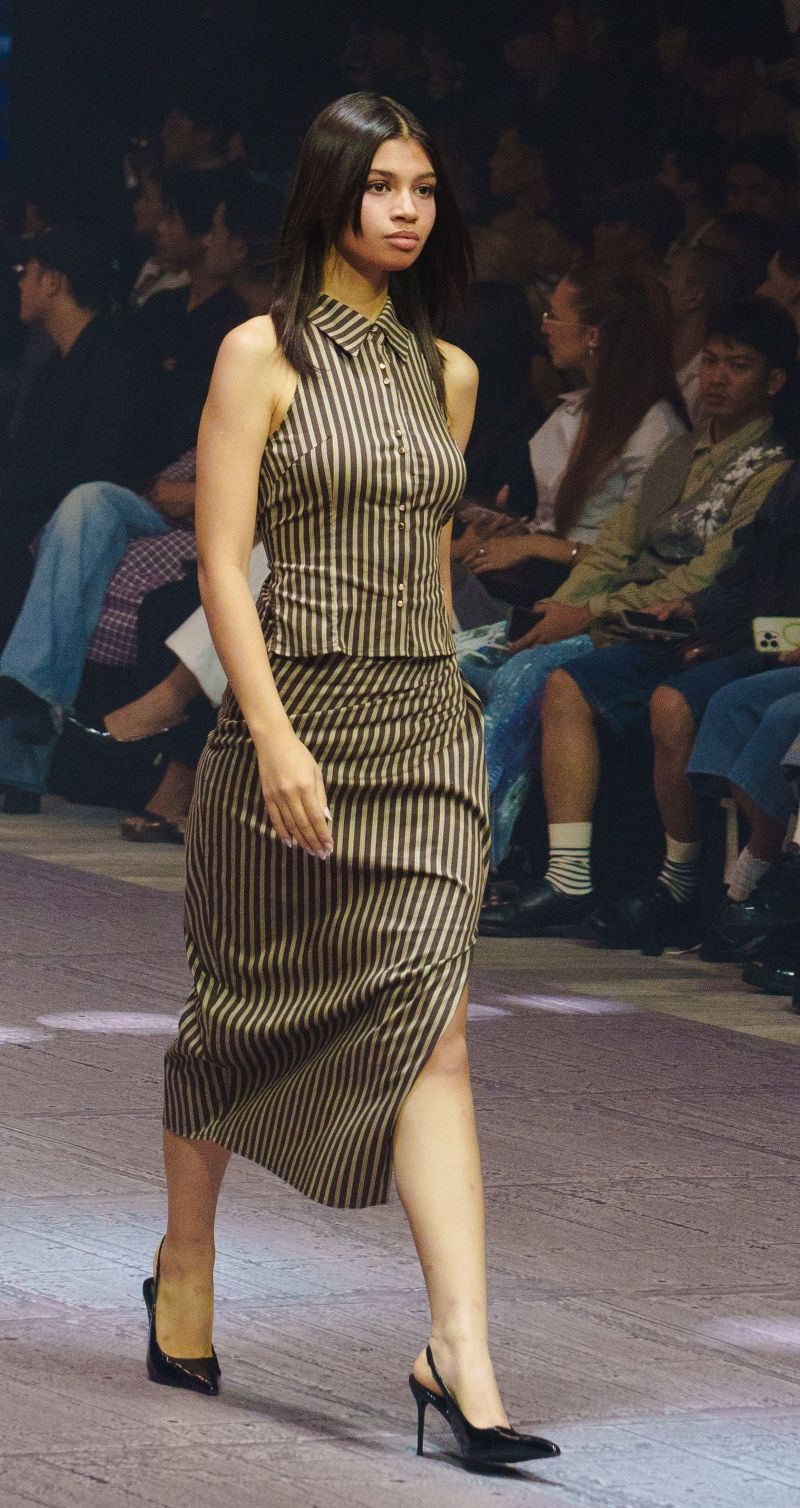
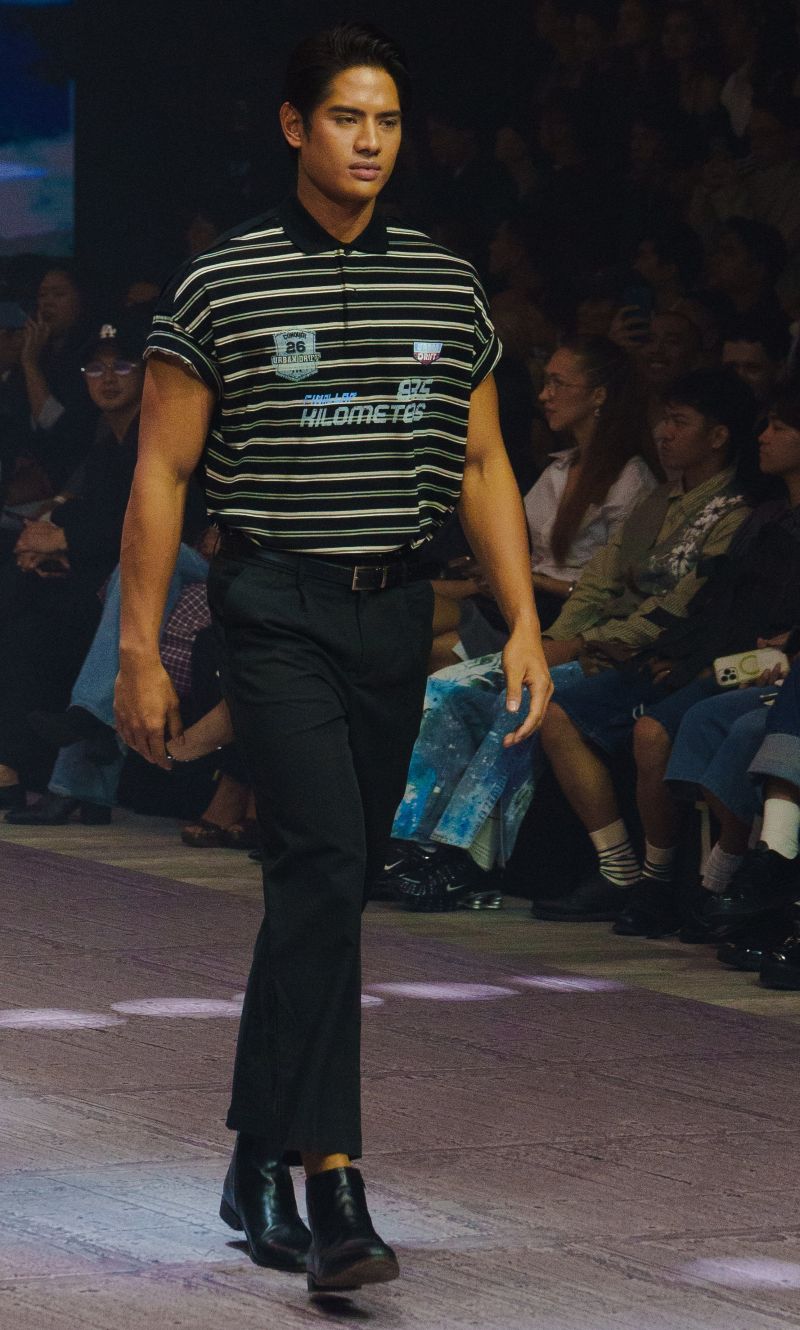
Urban Revivo anchors its aesthetic on a runway-inspired, fast-luxury approach. It translates high-fashion concepts into everyday wardrobes by fusing an urban edge with sharp, polished tailoring. The collection embraces high-low styling through pattern play, from sharp vertical pinstripes on coordinated matching skirts and tops to fine horizontal stripes on casual knit polos that create clean, architectural lines across both men’s and women’s pieces. The tailored looks are elevated by striking metallic hardware and statement accessories. Shiny gold buttons punctuate structured vests and tops. Ornate metallic waist belts paired with delicate hanging chains draw the eye to the waistline, adding a polished edge to otherwise minimal silhouettes.
-

- Urban Revivo utility jacket and wide-legged denim
-

- Urban Revivo pin-stripe button-down top and matching midi
-

- Urban Revivo pinstripe polo with patches and tailored trousers
-

- Urban Revivo vest top with gold buttons, soft skirt, and metallic belt
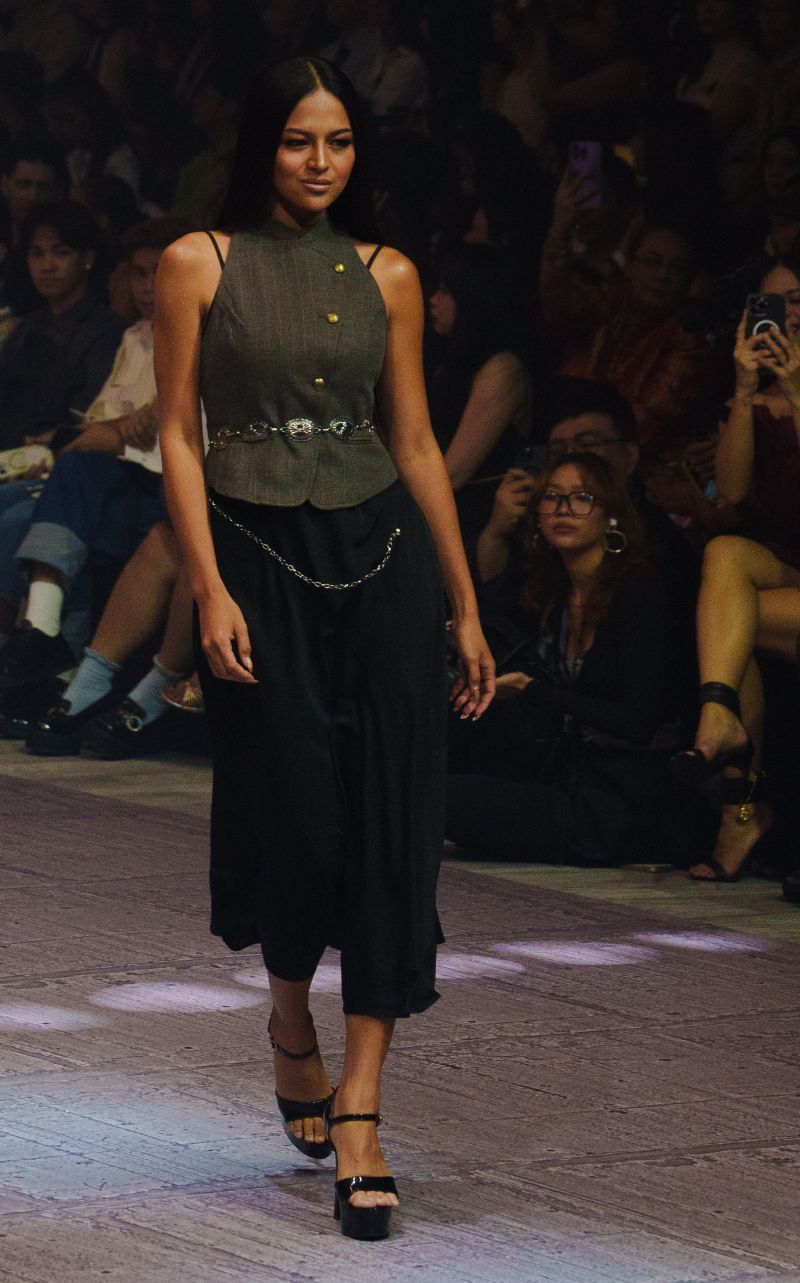
Ultimately, the season bridges the gap between formal wear and urban street style by pairing rigid elements such as utility jackets, structured high-neck vests, and tailored trousers with relaxed proportions such as wide-leg, patch-embellished denim and layering of casual pieces.
-

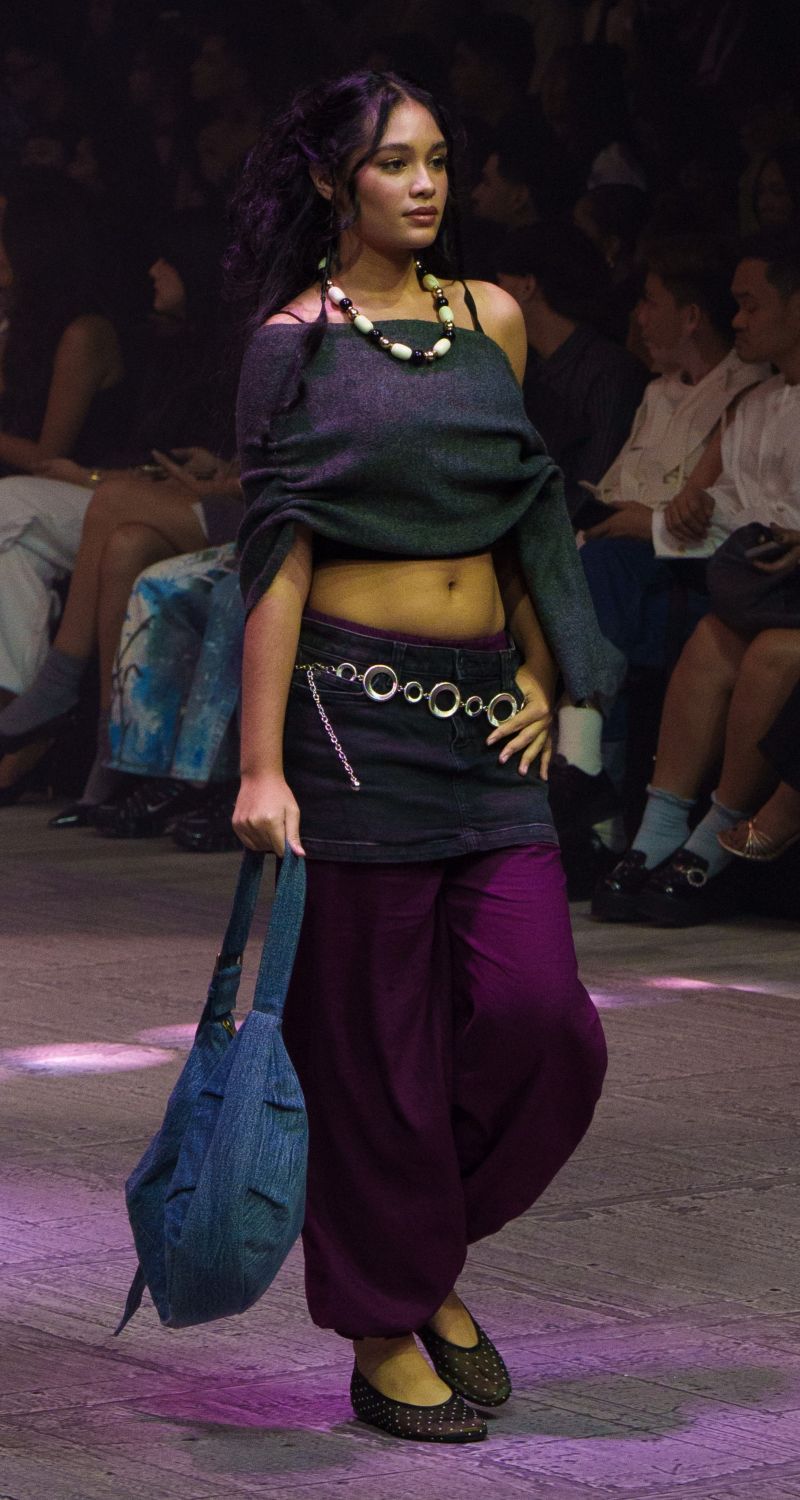
- Cotton On draped top teamed with mini denim skirt over billowy pants
-

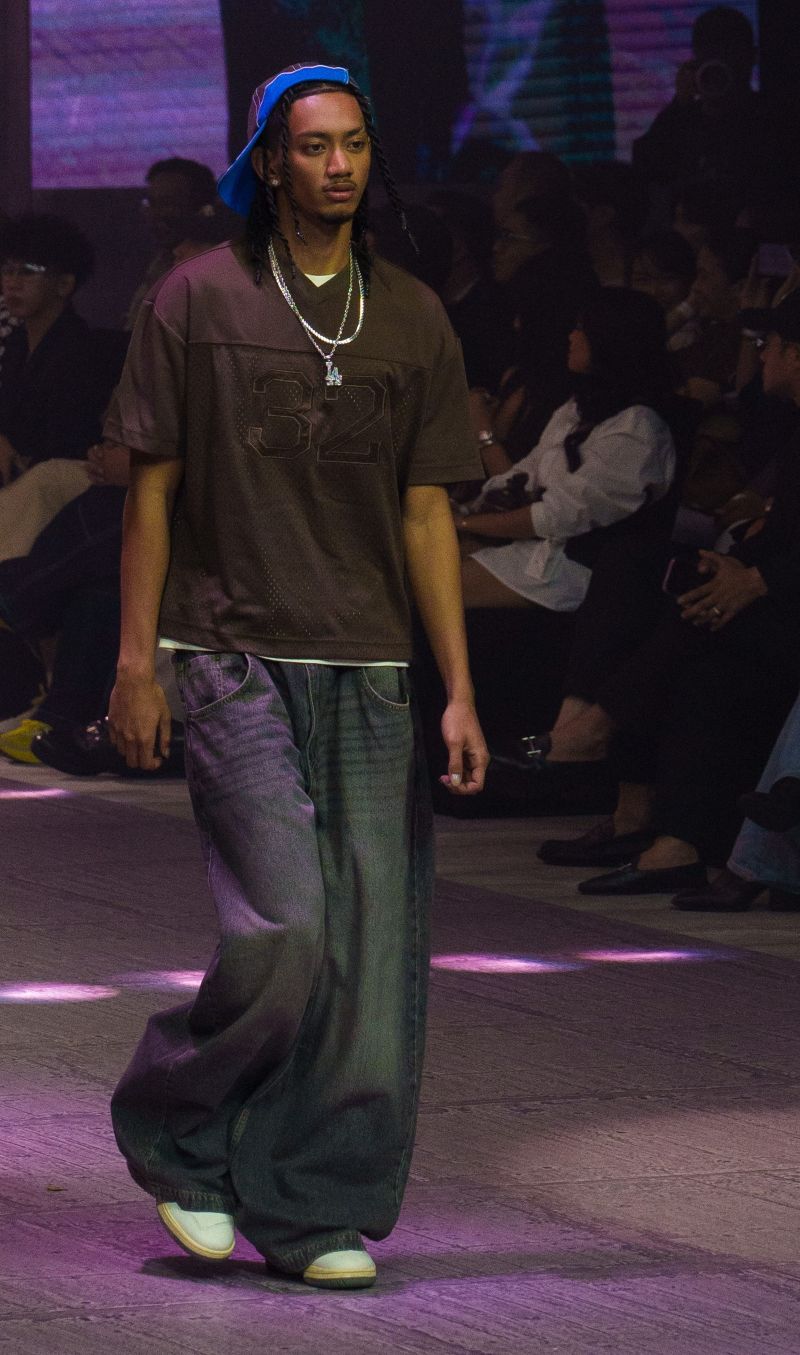
- Jersey top with wide-legged bottoms by Cotton On
-

- Cotton On layered camisole and tank over midi skirt
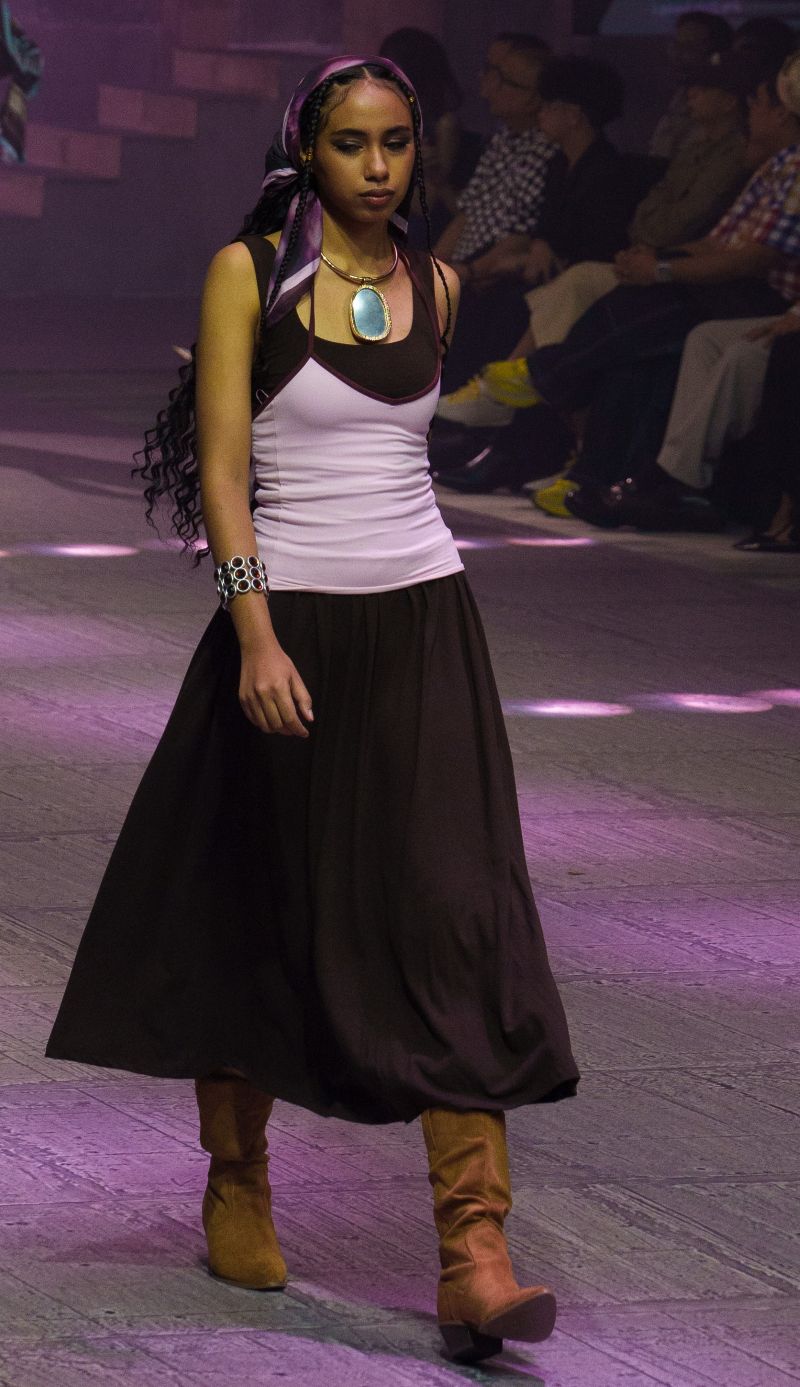
Cotton On channels its signature Australian cool onto the runway, blending youth streetwear with effortless, “throw-on-and-go” everyday basics. This season taps into current fashion forecasts by embracing dimensional styling, pairing soft, draped layers with fluid silhouettes. The runway highlights slouchy, wide-leg denim and quirky hybrid styling such as mini-skirts worn over loose trousers, capturing a playful, utility-driven approach to streetwear. Grounding these fluid shapes, accessories such as patterned scarves, pendant necklaces, and chunky chain waist belts add a personalized edge that elevates casual staples into high-impact trend
Bryan Peralta
Bryan Peralta trained to be a nurse, but his first serious step into fashion came through an internship with designer DJ Perez, who introduced him to bridal and eveningwear. He later studied at the Fashion Institute of the Philippines, where he graduated at the top of his class. His work since then has focused largely on custom-made pieces, particularly bridal wear. His collection, The Golden Record, marks his foray into ready-to-wear.
The title refers to the two gold-plated copper phonograph records attached to NASA’s Voyager 1 and Voyager 2 spacecraft, launched in 1977. The records were intended as a message from Earth to any possible extraterrestrial life that might encounter the spacecraft. They contain information about Earth, including coordinates locating the planet, photographs, music, sounds, and greetings in different languages.
Peralta translated some of the images on the records directly into the clothes. A photograph of a woman wearing a lab coat and bandana led to the use of scarves, and to loose garment shapes based on the coat and dress. Images of scientists and athletes wearing tank tops became references for blouse and top silhouettes.
Another source was the nudibranch, the small, brightly colored sea slug. Its vivid colors, which can serve as a warning to predators, fascinated Peralata. Nudibranch images appear as printed panels on several pieces, including an outer garment worn over a tank top. A rust-colored panel in one trench-coat construction also takes its cue from the colors of the creatures.
The Golden Record’s coordinates for Earth appear in another form—large handmade lightweight brass earrings made by artisans. Peralta reproduced the actual coordinates encoded on the record as jewelry.
The collection mixes Japanese wool coating fabrics that resemble cashmere or bouclé with lighter, summer-weight materials. That combination creates a shift between heavier autumnal textures and fabrics suited to warmer weather. A sea-green or seafoam-green trench coat, for example, is worked with mint-green elements and a pronounced waistband, and topped with a lightweight tulle hat handmade by Peralta. The loose, textured proportion of the outer layer is set against more structured lower garments.
Bryan Peralta’s collection mixes Japanese wool coating fabrics that resemble cashmere or bouclé with lighter, summer-weight materials
Other looks draw from the athletes pictured on The Golden Record. One combines a pink top with red shorts, while another uses fuchsia. A peach-colored long trench coat adds another strong color to the collection.
Menswear follows the same references. One look pairs a nudibranch-printed outer garment with a tank top, necklace, and trousers. Japanese fabrics are used throughout, including wool coating material and a bouclé-like fabric that gives one piece a cashmere-like appearance. Peralta also plays heavier autumn fabrics against lighter summer materials.
Peralta was first runner-up in TernoCon 2025. This is his first fashion show as a full-fledged designer. He plans to launch his ready-to-wear line through Bench Katutubo, the artisanal market.
R. Studio
Renée de Guzman of R. Studio has been designing for a decade, with her education divided between the classroom and the fashion industry. She studied fashion at Raffles Design Singapore before earning a master’s degree in Design Technology Womenswear at the London College of Fashion. She completed her postgraduate studies during the pandemic. Her first full-time job was at Vogue Philippines, where she worked as a fashion associate, producing shoots, styling, pitching ideas, and occasionally writing.
She has been in e-commerce for about two years, with a business that includes bags, shoes, and an expanding ready-to-wear line. Her master’s program taught her to think about sustainability and commercial viability, but also about the reason behind every garment in a collection. Instead of putting a piece in simply because it is beautiful, she learned to ask why it belongs there.
That has influenced how she researches and develops her collections. A starting point might be something from her own archive, a museum visit, or an artwork that catches her attention. For her collection, Paloma, it was Pablo Picasso’s 1957 Pigeon Series.
The title refers both to the Spanish word for pigeon and to Picasso’s daughter, Paloma. When de Guzman encountered the paintings in Spain, she became interested in the story behind them. Picasso had spent years making his studies of Velázquez’s Las Meninas, producing roughly 55 to 57 paintings, before turning to a smaller group of seven pigeon paintings. The change in subject and mood appealed to her. The paintings were lighter, almost childlike.
Picasso’s observation that it took him four years to paint like Raphael but a lifetime to paint like a child became a way for de Guzman to think about her own training. Technical knowledge can tell a designer what is difficult, impractical, or likely to fail. What she wanted, for this collection, was to be a child and experiment.
That approach can be seen in the 17 looks. Instead of treating the pigeon as a literal motif, she works with its feathers, colors, shapes, and textures she sees in Picasso’s dove series. One green garment uses upholstery fabric, with its dark wrong side deliberately exposed. Other pieces use tailoring wool, tweeds, and fabrics. She cuts and manipulates the tailoring fabrics to produce the rougher quality she associates with the paintings.
Feathers appear on an upholstery-fabric piece and on a brocade garment whose ballooning silhouette suggests a large pigeon. The strapless top is worn with pants, with the volume creating the birdlike shape without turning the garment into a costume.
The Pigeon Dress developed without a predetermined sketch. De Guzman began with a black-and-white mesh piece whose pattern reminded her of feathers. The realization came after she had started working with the fabric. The result is a draped, highly asymmetric dress, with fabric falling at both the front and back and a small ribbed or ribbonlike detail. She also worked with an artist to make silver pigeon brooches based on images from Picasso’s series.
The collection’s knitwear, developed with another designer, has a wave pattern that becomes more visible in the light and at close range. Waves are already part of the identity of de Guzman’s brand. One combination pairs chartreuse with Bordeaux red.
Color comes from the Picasso painting itself. There is a light brown pinstripe fabric, carmine-red floral mesh, aqua blue mixed with traces of yellow and orange, as well as brown and olive green. The aqua-blue long coat is also made from upholstery fabric, with the wrong side deliberately used as part of the surface.
Another bralette is made from upholstery fabric rather than conventional brocade, and incorporates feathers. Throughout the collection, de Guzman uses the wrong and right sides of fabrics as design elements rather than treating one as simply the finished surface. Contrast stitching, another feature of her brand, takes on a specific role here. She uses it to echo the way Picasso rendered the paintings.
The pigeon reference continues into the accessories. Her shoes, made by a third-generation family of shoemakers in Marikina, have wooden circular heels. One pair has a flaring detail inspired by pigeons with unusually long feathers around their feet. Her leather bags are made in-house at her workshop.
R. Studio’s shoes, made by a third-generation family of shoemakers in Marikina, have wooden circular heels
The menswear follows the same vocabulary. A brown cotton-linen shirt carries the colors and print of the collection. Another is a short-sleeved version of a signature style, with a metal necktie detail and a wide polo-like silhouette. A separate piece works as a bib top rather than a conventional waistcoat. Brown, olive green, and floral fabrications carry the same references into the men’s clothes.
For de Guzman, the freedom she found in Picasso’s pigeon paintings allowed her to return to something she had done as a student: experiment before deciding what a garment should become. Thus, some of the strongest details in Paloma begin with the material itself, whether an upholstery fabric, a piece of mesh, or tailoring wool, rather than with a finished drawing.
Edwin Ao
For Cebu designer Edwin Ao, the materials in his latest collection are rarely what they first appear to be.
Ao, who studied advertising at the University of San Carlos, learned fashion through experience, first apprenticing with Arcy Gayatin during the Fashion Watch years, and later assisting Jun Escario when the latter began working in Manila. Starting his business 2008, the Cebu-based designer works primarily in menswear and made-to-order barongs.
With few fashion courses available in the Philippines in the 1990s, he got tips from established Cebuano designers such as Oj Hofer and Philip Rodriguez. His work now also extends to graphic design and product design at the University of the Philippines Cebu, where he teaches students to consider materials not simply for what they are, but for what else they might become.
That idea drives Chlorophyll Hexagons: The Body in Impermanence, a collection about the human body and its transience. Ao uses solar printing, a photographic process in which chemicals, an image, and fabric are exposed to sunlight under glass. The resulting prints include feathers, which suggest the body shedding, and fragments of his own earlier artworks and photographs of graffiti he encountered during his travels.
Among the womenswear are jackets and skirts worn with boy-leg shorts, along with a mini-skirt layered over a long, sheer skirt. Its solar print combines feathers with the roots of a dragon-fruit plant. Some jackets have photographs of graffiti from his travels fused into the lapels, while other pieces combine fused fabrics with pleated elements.
A cotton organdy tuxedo shirt with a bib brings a more formal piece into the mix. Another skirt is made from numerous buttons arranged to create the appearance of chain mail. There is also a tote bag covered in solar-printed feather imagery.
Ao’s interest in transformation extends to his own graphics and paintings. For one garment, he cuts up pieces of earlier artworks and mixes the fragments together, then experiments with stitching to create a new visual language. The original artwork becomes raw material for something that did not exist before.
The menswear is looser than usual, although Ao underscores that the proportions remain considered rather than simply oversized for effect. Loose shorts replace conventional fitted trousers. Old computer parts and smartphone components, including the larger SIM cards used in older Nokia phones, are incorporated into the lapels.
Technology also finds its way into the accessories. Transistors and integrated circuits from SIM cards are enclosed and removed from their original function. One necklace places the pieces inside vinyl and uses a shoelace as part of the construction. A blazer incorporates components from old computers and phones.
Buttons, electronics, photographs, feathers, wool, interlining, organdy, and pieces of old artwork all undergo the same treatment. Ao takes them out of their expected context and asks what else they can become.
The collection’s title refers to impermanence, but its method is equally about transformation. A photograph becomes fabric. A button becomes a surface resembling armor. An obsolete electronic component becomes jewelry. An old artwork becomes part of a new one. For Ao, the material does not end with its original purpose.


