
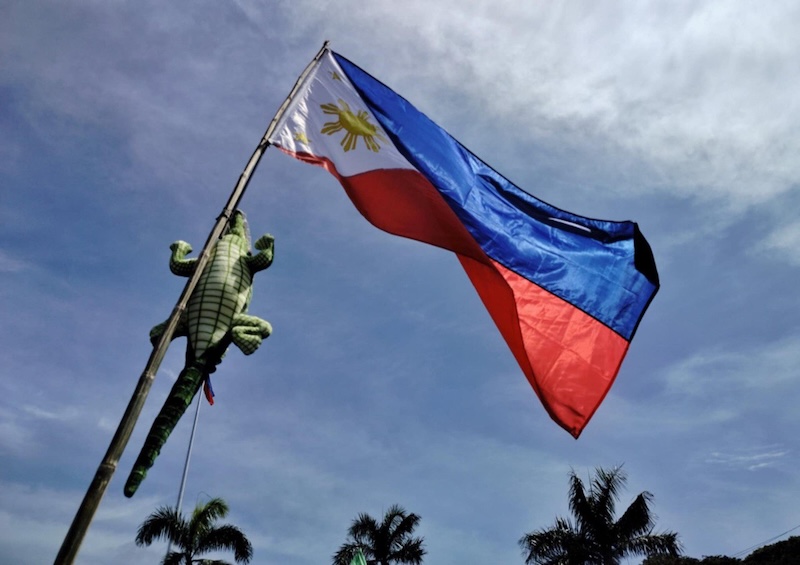
In ‘Baha sa Luneta,’ crocodile as the Filipino symbol of greed and corruption (Photo by Medel Sablaya)
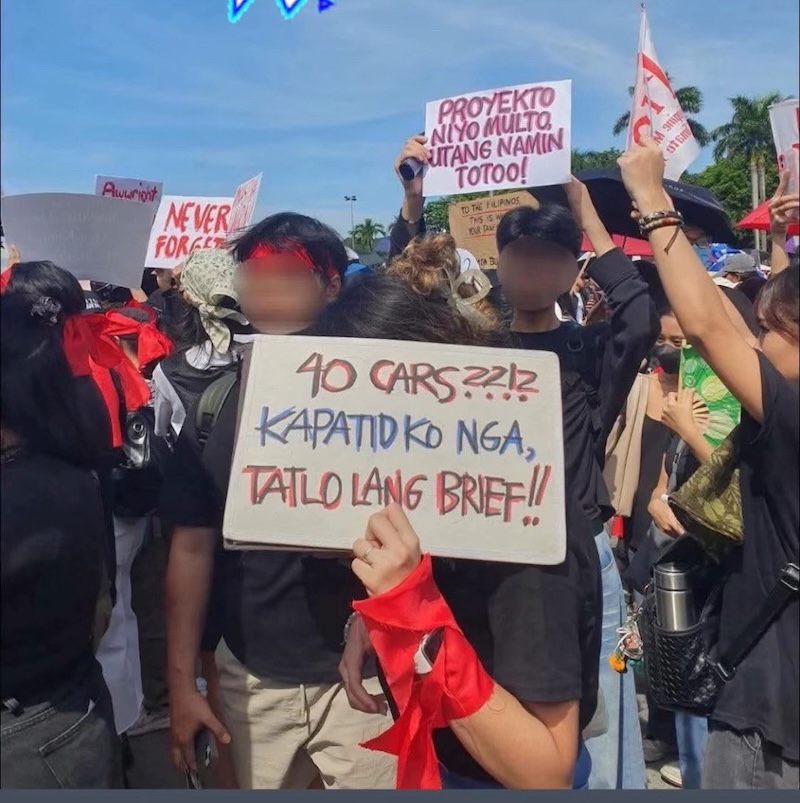
Filipino irreverent wit (CTTO)
My clipped conversation with a millennial early Sunday morning, Sept. 21, 2025:
Me: Why aren’t you going (Trillion Peso March)?
Millennial: Oh same old, same old….
(He meant the endemic government corruption, the chronic investigations that fade into oblivion, etc, etc.)
Then at 8 pm, dinner time, the millennial, who eventually went to Edsa, was excitedly showing his phone: “Look at the crowd…. they can’t cover up the truth….it all comes out here.”
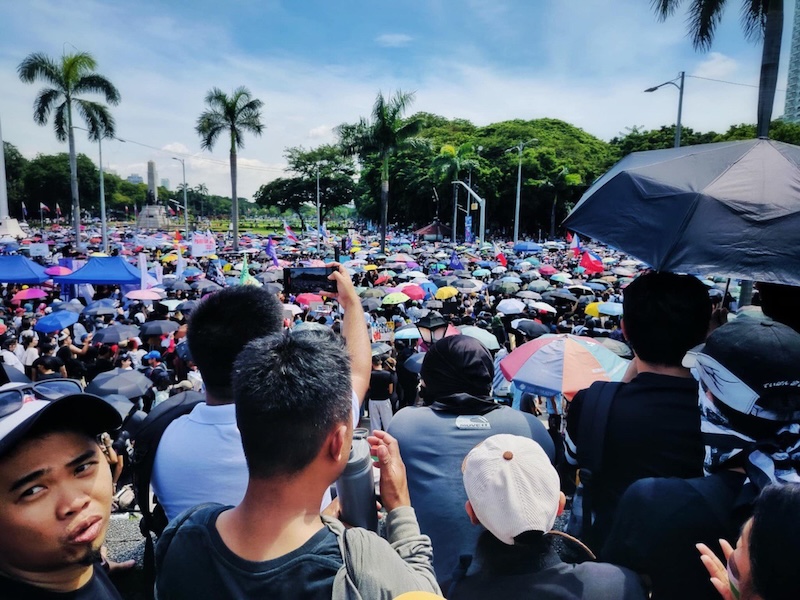
Early morning crowd in Baha sa Luneta (Photo by Medel Sablaya)
The sudden about-face, from cynicism to hope (yet again), from indifference or feeling of resignation to the recovery, or at least a reminder, of the Filipino values of honesty and integrity. May himala!
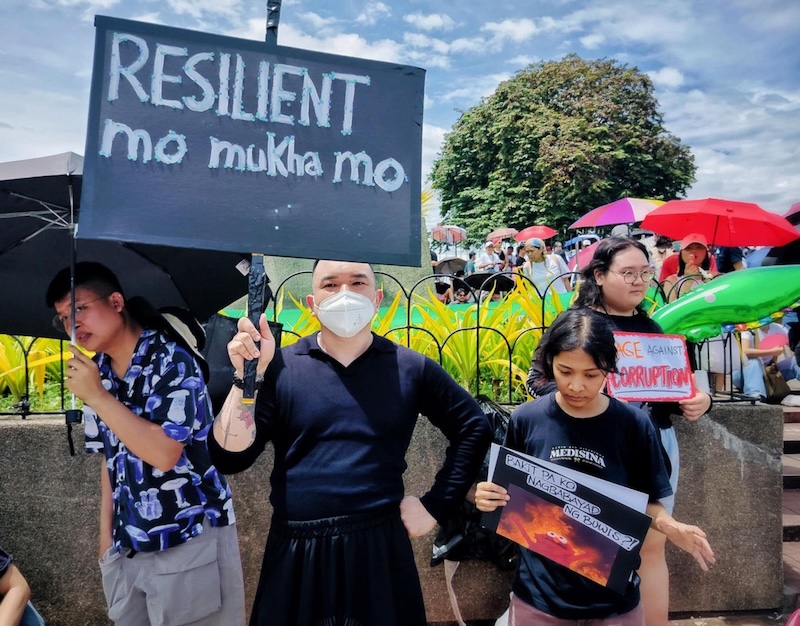
End of patience (Photo by Medel Sablaya)
The Trillion Peso March and the earlier Baha sa Luneta were the People Power miracle circa 2025. They’re proof that no matter the unrelenting (well-funded) drive to consign the Edsa People Power Revolution to the dustbin of history and to rewrite Philippine contemporary history, the struggle for democracy (good old messy democracy) is, turned out, already in the Filipino’s psyche, if not DNA. (And that also explains the relapses and feeling of hopelessness.)
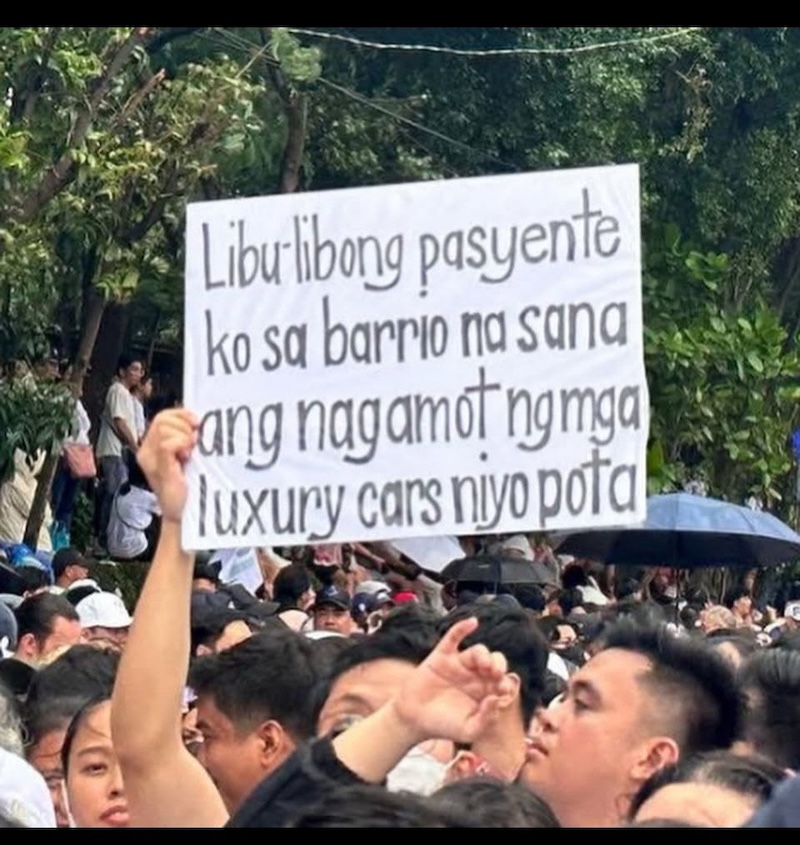
When luxury lifestyle turns immoral (CTTO)

Anne Curtis and Vice Ganda behind her use their celebrity platform for the country. (CTTO)
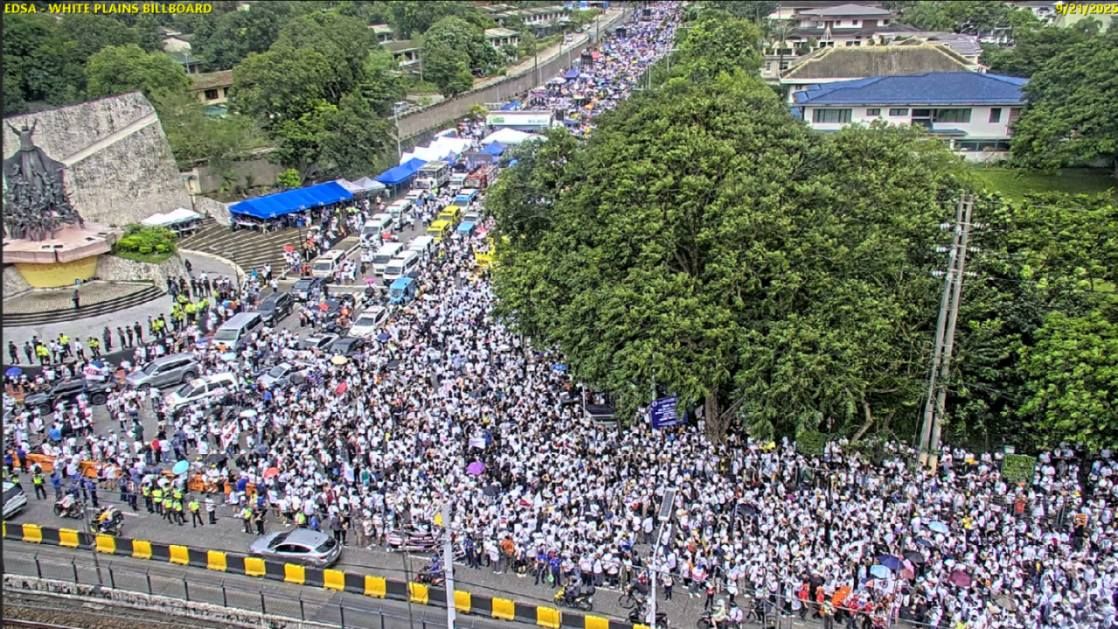
The sea of humanity that flooded the People Power Shrine and Luneta proved that Filipinos, across ages and economic classes, will push back when pushed to the corner. A white sea of humanity. For yet again, the Filipino has changed his political color. But no matter—at least they marched out as one to rage at the mind-boggling corruption and impunity, to demand for accountability and the prosecution and punishment of the plunderers.
The Sunday turnout of the tens of thousands—in the heat and rain—is proof that the Filipino, even and especially the youth, is no pushover where democracy is concerned, that, unlike the neighbors in the region, the Filipino does not buy military rule—a charlatan strongman, yes, for a six-year term, but not military dictatorship.
View on Threads
But the massive turnout against corruption and the abuse of power of government officials also laid bare the political factions that continue to fracture society: yellow, pink, red (though this was a campaign color and didn’t grow organically).
Yellow—which sprang from the streets in the aftermath of Ninoy Aquino’s assassination in 1983 and became the global symbol of the 1986 Edsa People Power Revolution—has been, shall we put it, trolled-out in recent years.
It gave way to pink, which became the symbol of the people’s hope in the non-trapo persona of Leni Robredo and which evolved into a symbol of social awareness and civic commitment.
While the emergence of the neutral white was perhaps necessary for the Trillion Peso March to combine all political factions into a united front against corruption, it’s about time we stopped changing political colors like we do shirts.
It’s about time we stopped changing political colors like we do shirts. Political colors stand for moments in the people’s history…we shouldn’t be ashamed of them
Political colors, we must realize, stand for moments in the people’s history which, like it or not, you can no longer change. But we shouldn’t be ashamed of them. History is irreversible but those colors and the turning points they represent bring us the lessons of history. Perhaps that’s why we don’t learn from the lessons of history—or as they say, the Filipino has a short memory—because we’re so easy to shed political beliefs and learnings. Political colors, we must realize, stand for historic crises, victories and defeats, not only for history’s heroes and villains.
View on Threads
View on Threads
View this post on Instagram
But then, if white is the symbol of today’s united front against corruption and impunity, then so be it at this point of history.
The September 21 massive march also ferreted out different (quarreling) views in social media group chats:
Should people call for the impeachment of the President, in the event that the buck stops at his level? And make the Vice President succeed? No way, say group chats. The President, they say, needs the people’s tactical support if only to prevent the repeat of the EJK regime.
Is the ICC credible, or will it end in a whitewash like the Agrava Commission on the Ninoy assassination did? Adopt the proposal of Rep. Leila de Lima, many in the group chat say.
One battle at a time, group chats say. Put the plunderers behind bars first.
A sober, pragmatic post in the group chats seems to be what this crisis calls for; it is do-able: to give the good public official a system “which will force a public official to be good:
“Full Disclosure Bill
“Freedom of Information Bill
“Participatory Budget Process Bill
“Public Financial Accountability Bill”
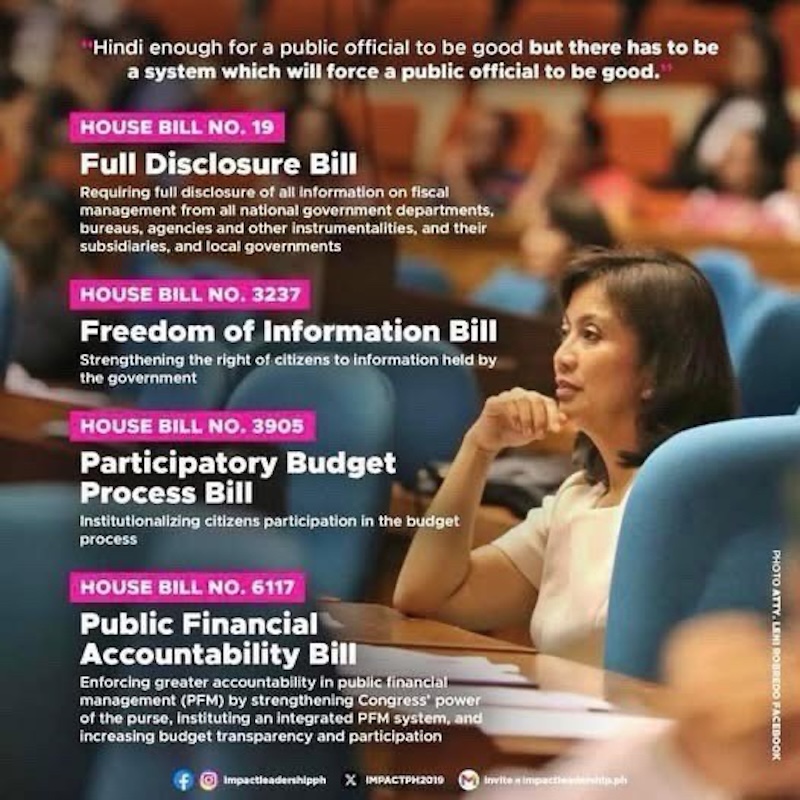
From group chat, a pragmatic, sober push for legislation
Indeed these bills not only make good sense but they are necessary. But then they are a threat to the interests of the very same legislators tasked to pass the bills. How will they legislate themselves out of their cushy racket?
With enough social media pressure, they just might have no choice, or the good ones among them just might draw enough people support to succeed. Thank god, we live at a time when technology can make anything go viral and change the tide.
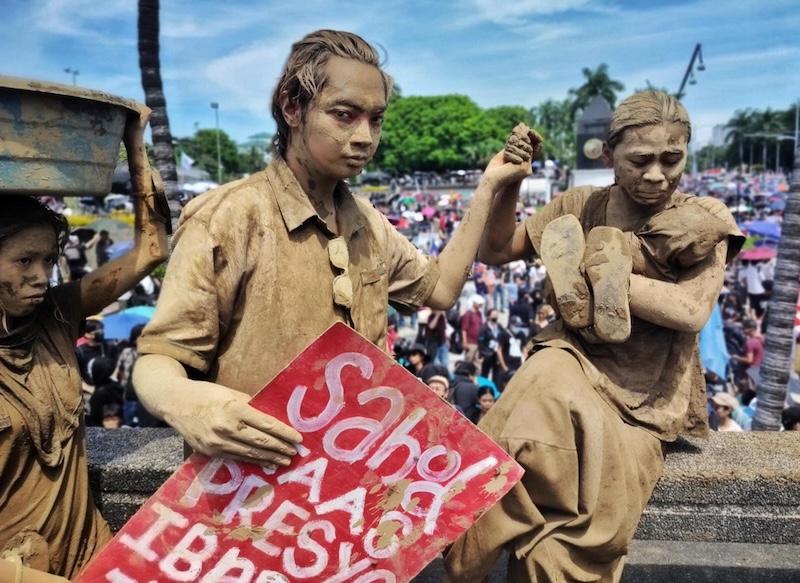
Street theater in ‘Baha sa Luneta’ (Photo by Medel Sablaya)
There was one thing our group chats agree on: the violence in Mendiola was a planned instigation that feasted on the anger and seething resentment of the marginalized sector, especially the marginalized youth. It smacked of class war provocation in a demagogue’s playbook.
But then, that optic that the foreign media feasted on did not represent Sunday’s Trillion Peso March and the Baha sa Luneta, nor did it ruin them.
Last Sunday signaled the fact that people are back in Edsa, the place and the symbol. Edsa now stands again for People Power, and as we know by now, the very slow tortuous road to good governance. (Not only for traffic)


