
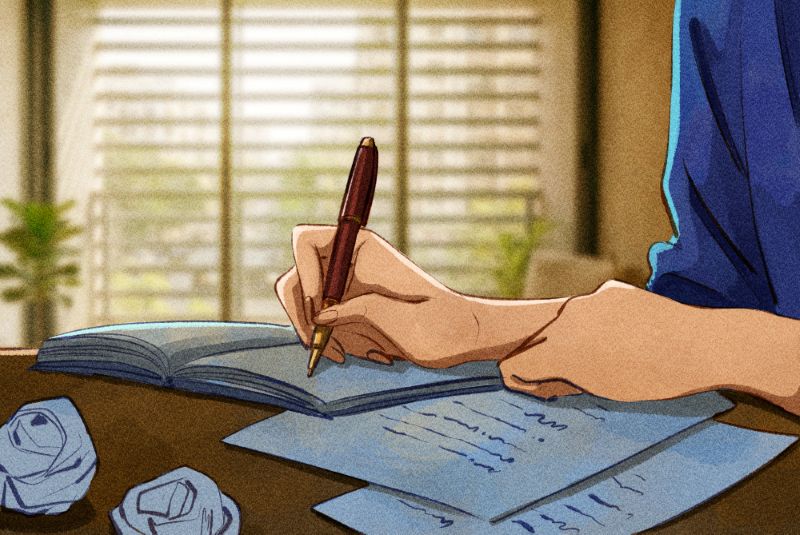
I come from a generation where there was such a thing as typewriting class in high school. It wasn’t possible to erase errors then, so I relied on Liquid Paper and typed over corrections on it. Using Google did not exist, as well, and whenever I needed to research for a school paper, I had to go to the library, find materials and books I needed–using the Dewey Decimal System, mind you—and borrow them for a few days using my library card. Those essays and papers were either handwritten or typed. Until the mid-’90s, it wasn’t the norm for households to have computers at home.
When I started working as an editorial assistant for a magazine a few decades ago, I was assigned to cover fashion and beauty events and would submit stories about them every issue. Each article, however shallow it may seem, was backed with research and interviews with resource experts. I was given enough time to work on articles because each monthly issue then took some time to produce.
This will all be so unfamiliar to the Gen Z and Gen Alpha now, because these days, to find information is easy, using a quick search on your mobile device, and most have learned to use Artificial Intelligence (AI) not just to check for information, but to do the writing for them—from school papers to resumés, to letters, and lo and behold, even news and lifestyle stories. Even novels these days come with human-authored gold stamps to verify work written entirely by people, imagine that.
Just to be clear, I’m not anti-tech, and whether we like it or not, we have to acknowledge that AI will be transformative in ways we may not like, but nonetheless have to adapt to. I do agree that AI can be useful and can make some tasks easier for you, like research and calculations, and it can be quite tempting to outsource the bulk of your writing to it, but in this instance, I disagree with the use of AI.
Whether you write for a living or not, in this age of rapid communication and constant change, one skill stands out as timeless and as essential: writing. Other than speaking, writing is the way we express ourselves. It is one skill that everyone should develop. The more you lean on AI to do the writing for you, the worse you will be at it. And when an app like Chat GPT takes whatever you write and edits it beyond recognition, you may have a piece that’s perfect, but it loses one element that can connect to your audience: your voice.
We all talk and write in our own unique way, and if you become dependent on using an app to do it for you, that gets lost in translation. Unlike speaking, writing for me is more sacred because your work can be printed, published, and preserved. Those very words can allow people to reread them over time. And in this age of fake information and fake content all over social media, writing can help you think critically and clearly, and make a lasting impact. Oftentimes, it’s not perfection that will resonate, but words that come from authenticity, your own experience, and the heart—feelings, wisdom, and perspective that a robot will never possess.
My job as a writer can be one or several things: to inform, persuade, entertain, and if you’re lucky, maybe to inspire and be a catalyst for change. As I work on this on National Heroes’ Day, I doubt our hero Dr. Jose Rizal would inspire a revolution had he relied on AI to help him write Noli Me Tangere and El Filibusterismo. It’s ironic that I’m studying AI now to learn how to optimize it, but I refuse to let it take over my voice, and in turn, my identity.


