
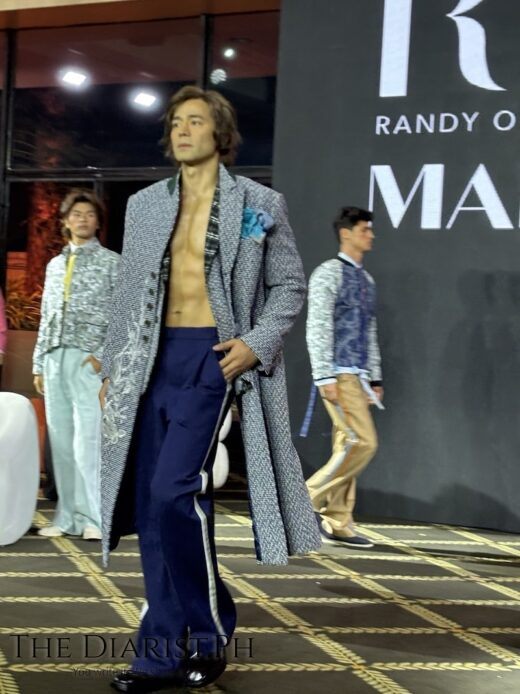
Randy Ortiz didn’t have to shock-and-awe to present a collection which, to us, was his best in recent years. He was that confident as a designer and a fashion businessman. He was that definitive about his brand.
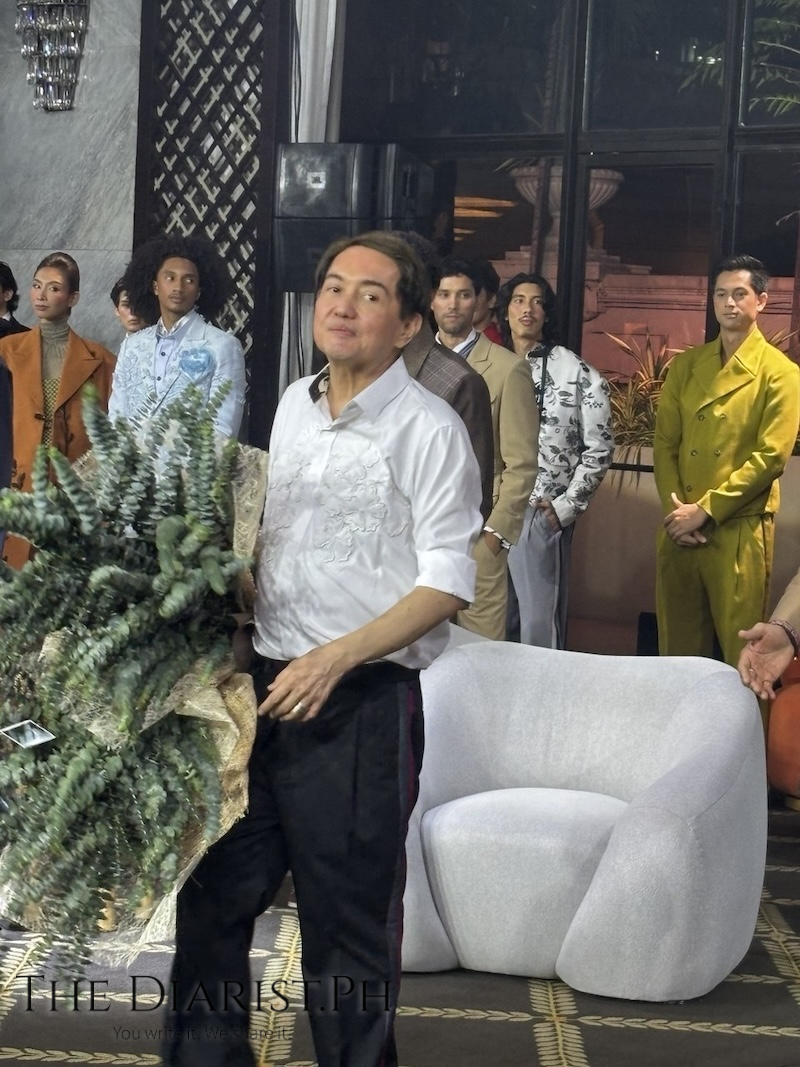
Self-confident, relaxed Randy Ortiz receives audience ovation.
The March 19 show Randy O Man showed plain and simple that Randy Ortiz knows his man: the Randy O Man is no cross-dresser, not gender-fluid, not androgynous. He is also no peacock, by the way.
And—he didn’t put his man in a skirt. (What a change for us in a fashion era that parades men in kilts/skirts and flowing gowns. I’m not complaining—be clear about that.)
“The Filipino man has become more and more assertive about how he wants to dress,” he told us, “and expressive.” But apparently, in Randy’s view, and we agree, today’s Filipino guy still prefers to wear the pants at home and elsewhere, not the skirt.
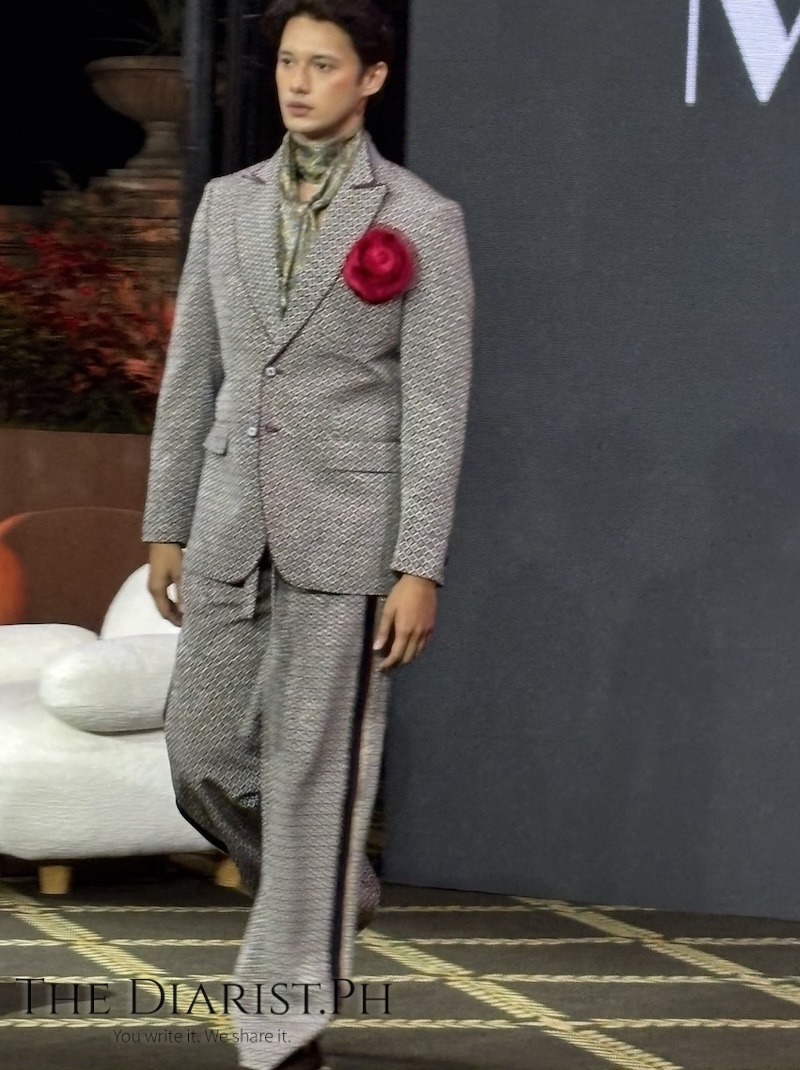
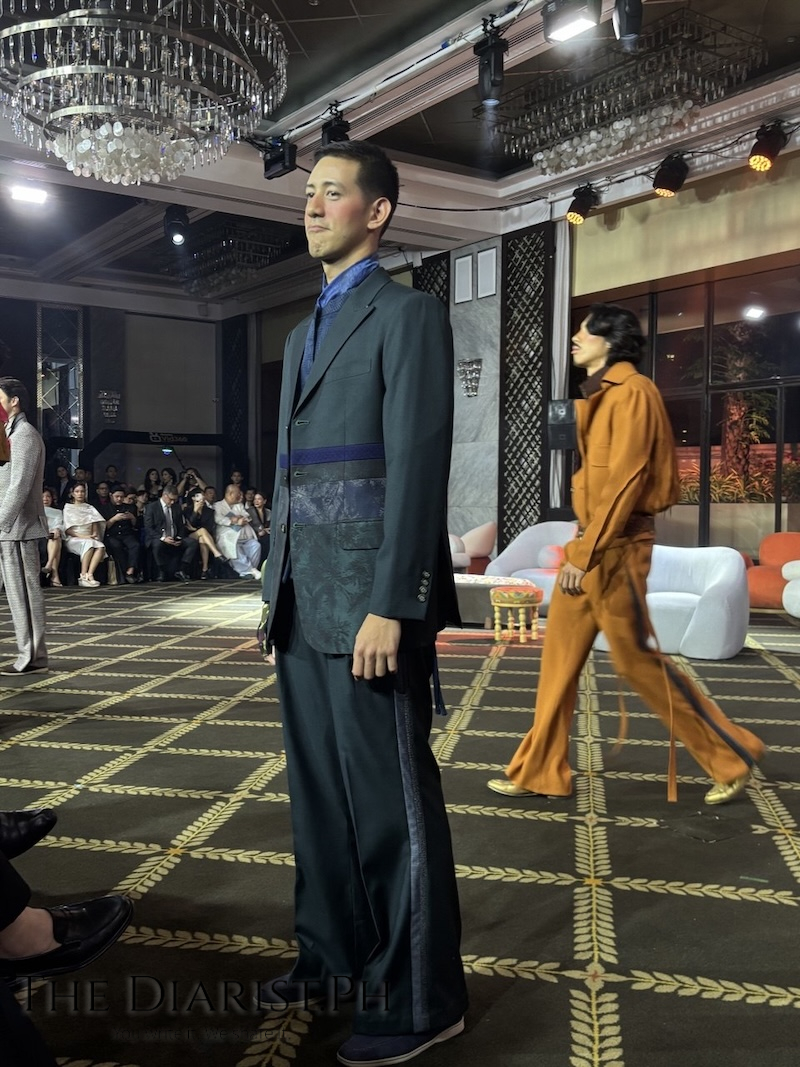
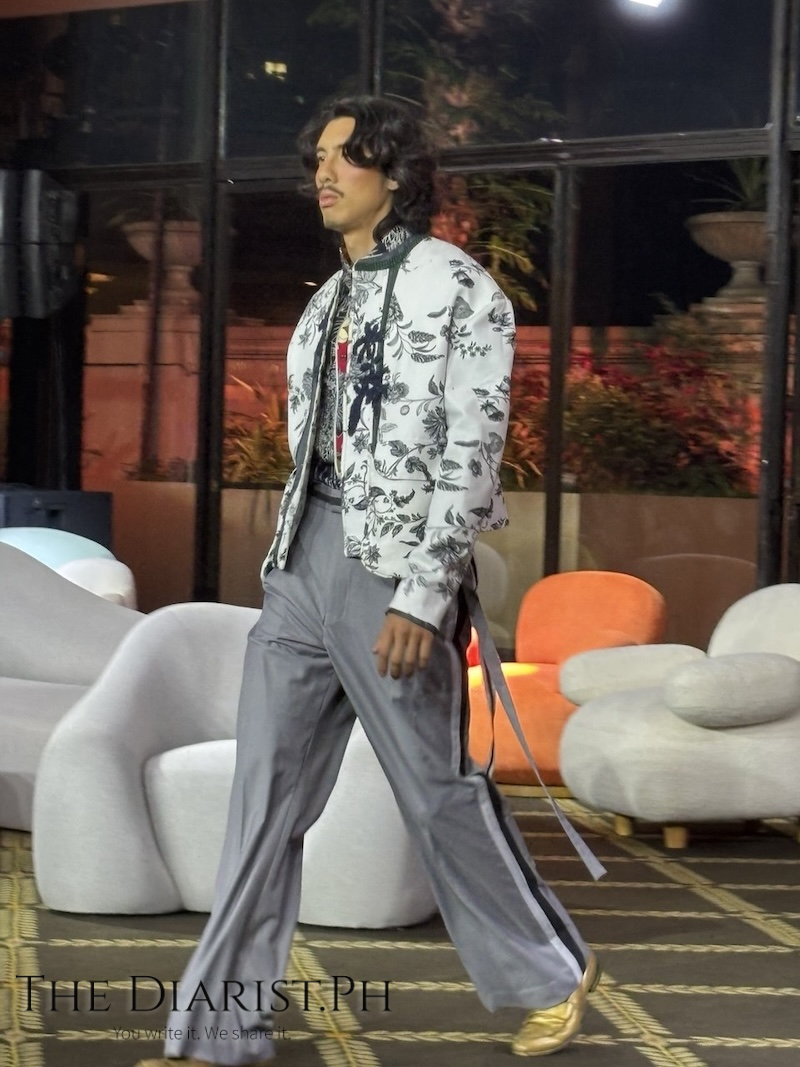
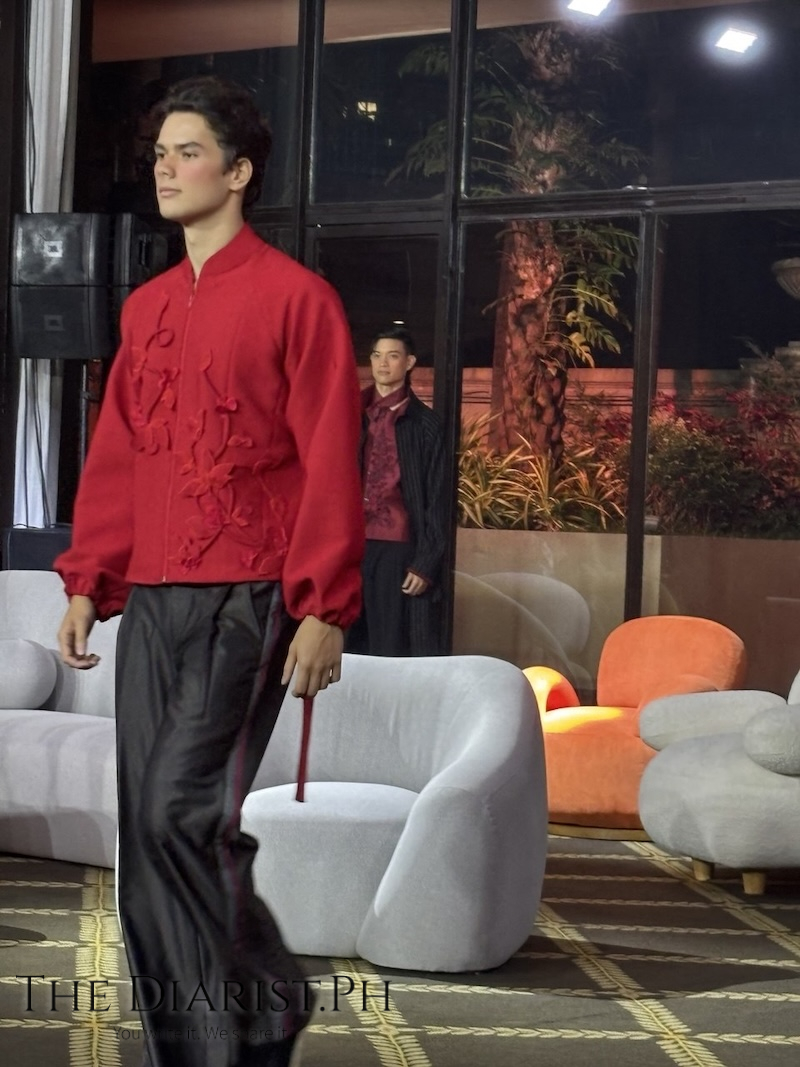
In his 60-piece collection, Ortiz made his men look stylish, fashion-forward, dandy, even experimental, but neither gothic-punk-edgy nor gender-less. That’s not Ortiz’s generation and POV, and he will not leap generations just to pander. His RTW retail/online line and made-to-order clothes are established enough as it is.
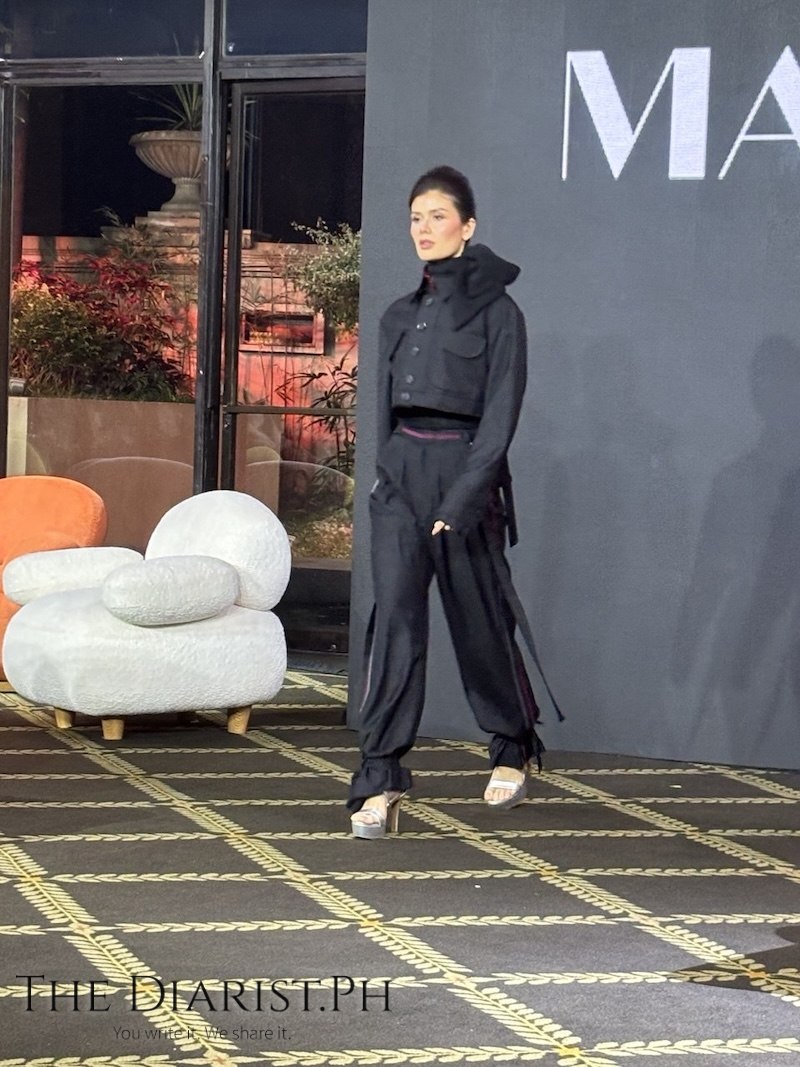
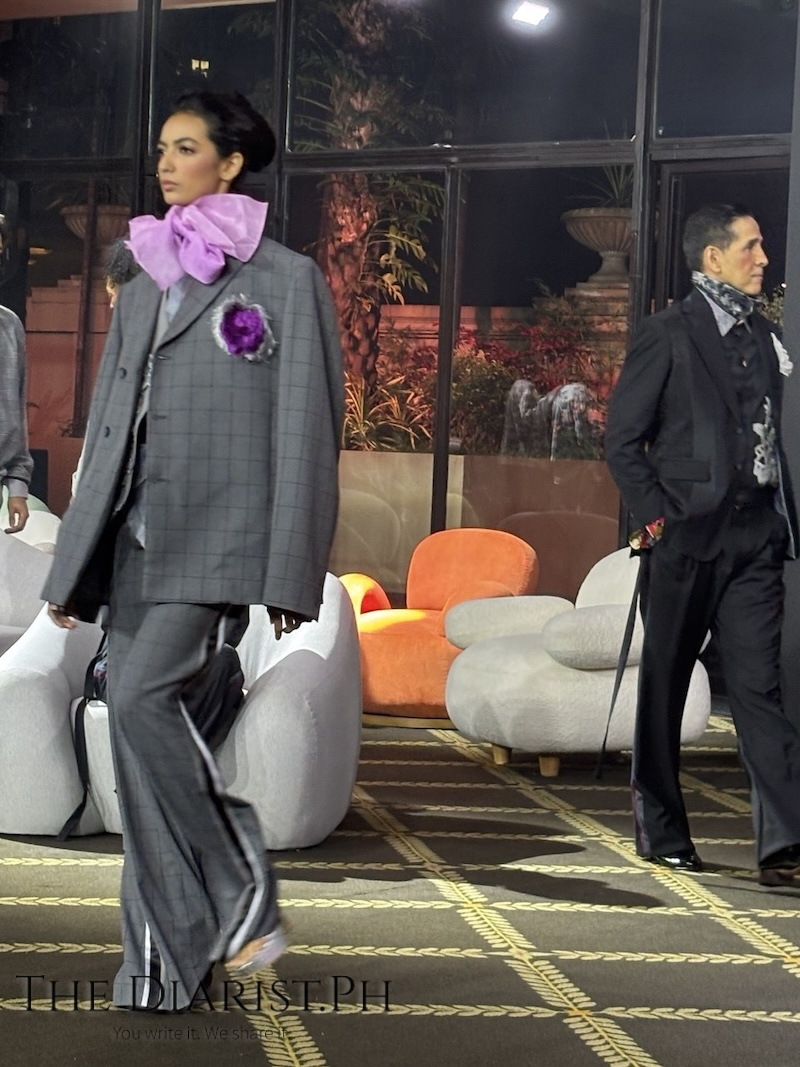
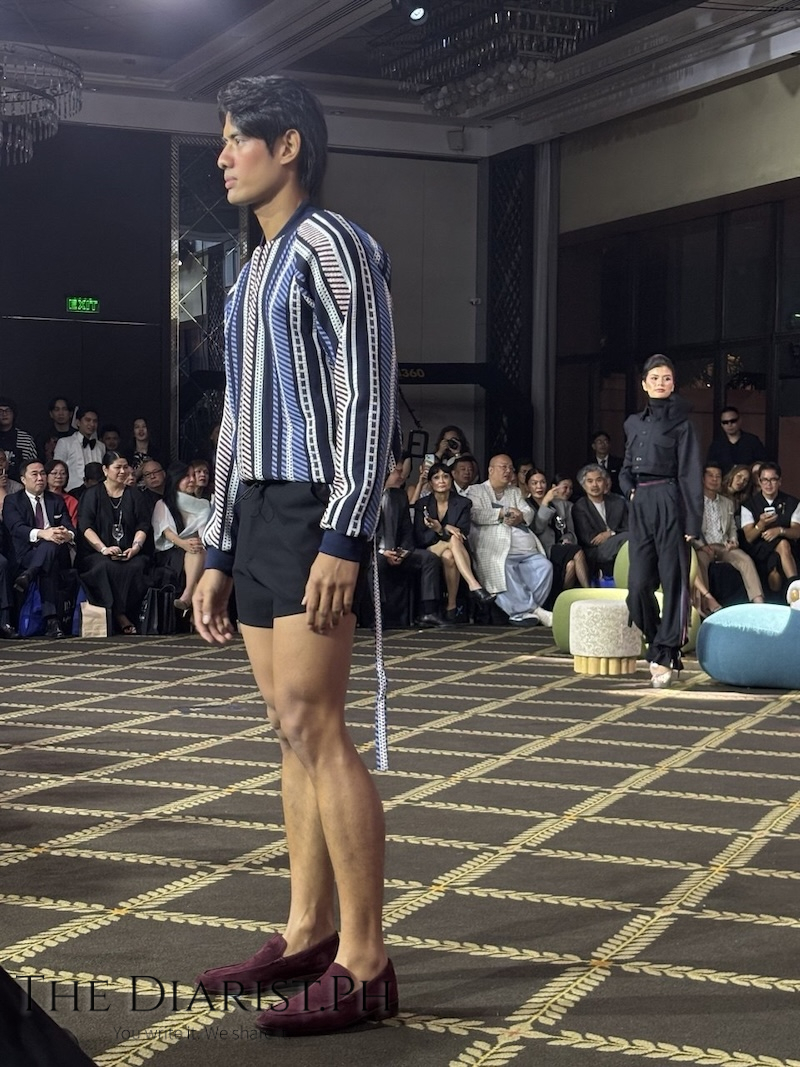
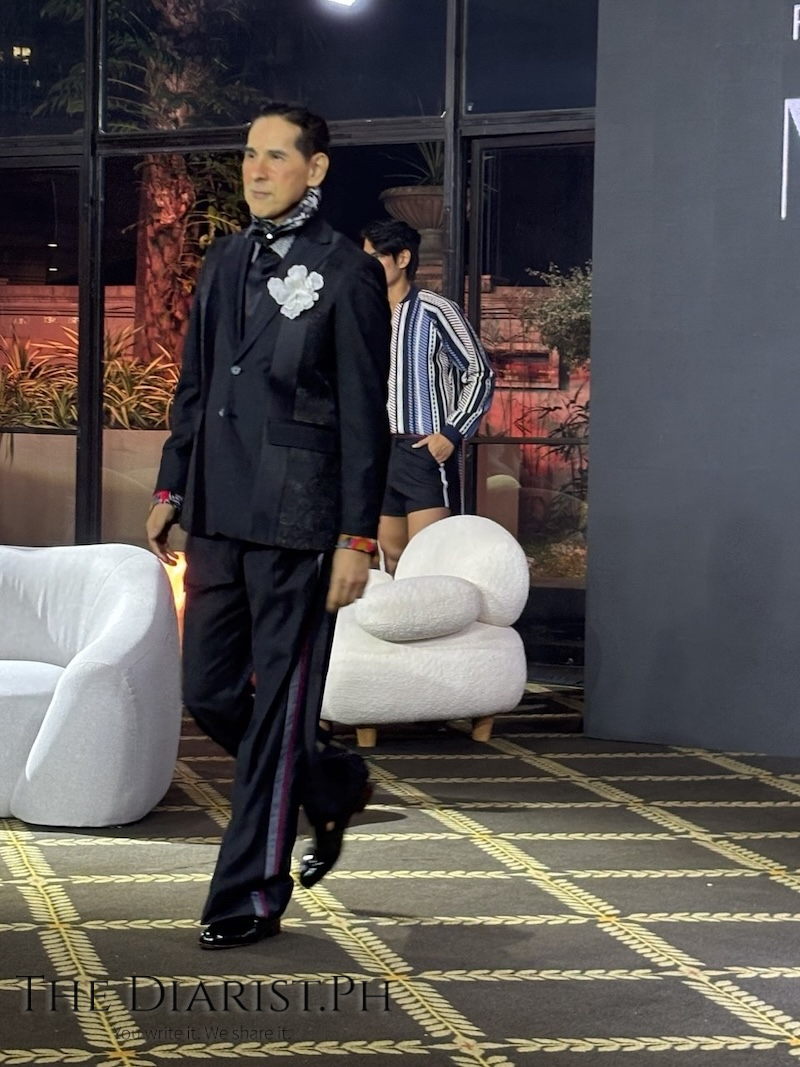
In Randy O Man, this designer, pioneer of RTW and made-to-order, and a style-setter himself for more than 40 years, produced clothes a man with reasonable means can wear—the design’s tasteful nuances and detailing putting him in a cut above the rest, never boring. That’s taste and a good eye.
It was a relaxed and self-confident Randy Ortiz who unveiled the show directed by longtime friend Jackie Aquino
That man is usually a CEO, a top executive and businessman, a professional, a celebrity, and, okay, even handsome young things who aspire to be all of the above. One thing they have in common: they trust Ortiz’s confidence—and taste.
“I’ve dressed up almost all celebrities, so this time, I’m not limited to them,” Ortiz told me after the show.
In short, it was a relaxed and self-confident Randy Ortiz who unveiled the show directed by his long-time friend and collaborator (ours too, by the way), Jackie Aquino.
The Peninsula ballroom was turned into a chill lounge—sofas, ottomans in cool summer colors served as veritable stage (same level as the audience) where the models would walk around, sit, and even chat.
To signal the show’s opening, the panoramic glass window to the Peninsula garden outdoors lit up to reveal the first models standing outside facing the audience, their backs to a dark sundown. Like a mirage of goodlooking men. An inspired dramatic opening. You knew the production would not be run-of-the-mill.
Then to sounds by DJ Bombi Balquiedra who was spinning facing the audience, the models strode in, right before the audience—that up close—and walked around the clusters of sofas, where they would sit and chill.
At the onset what stood out, running through the entire collection, were the loose trousers (some baggy, others puddle jeans, still others cropped) inspired by tuxedo pants. That was a hit even among the women in the audience, some of whom swarmed around Ortiz after the show to say they wanted to get theirs. Indeed boyfriend pants and shirts remain today’s staple, even among the Hailey B’s of this world.
Running down the pants was fabric strip sewn like cot work.
The ‘tux pants’ were paired with suits, blazers, jackets, waistcoats, trenchies, button-downs, even stylized tuxedos—Randy O knew exactly the look he wants. Relaxed fit or loose, but not too loose or voluminous. His volume adhered to a conventional manly silhouette. In short, not hip hop.
The shirts, trousers and jackets are oversized just right to fit most male shapes and sizes. Ortiz knows who he is dressing.
The man dresses up or dresses down—his choice
Also interesting—he didn’t divide his collections into casual/formal, day/evening. His designs can go from day to night, just edit out a blazer here or add a scarf there—the details of individual taste, in short, responding to the lifestyle/business agenda of the day. The man dresses up or dresses down—his choice.
He didn’t limit men to the stereotypical black or grey—not even to the barong (I didn’t spot one, honestly). His color palette was fluid, even if the gender was not. Pastels. Earth colors. Cool khaki, camel or tan. Pops of bright summer. To us these are hues that can make a guy seem authoritative and subdued if he feels like it, or game, young, carefree as a party animal, again if he feels like it. Ortiz’s palette is wide and updated enough to let a man design his own image.
Ortiz made his collection distinctive not just through the silhouette, color, but also through ornamentation and craftsmanship. How to do that and get away with it, and not make the male clientele run away from the designer?
He knew how to use ornamentation and embellishment for men—judiciously
Embroidery. Beadwork. Appliques. He was confident enough to use such ornamentation to make his clothes—from shirt to trousers—have an individual mark, without feminizing them (pardon my use of the term that should no longer be used in this day). He knew how to use ornamentation and embellishment for men—judiciously. Like I said, without turning them into a peacock, although in some parts, styling could have used more editing.
“I used all the techniques I’ve learned through the years—embroidery, beadwork, hand and machine stitching, use of piping, zipper and buckles, cutworks, among others,” Ortiz told us.
He was right—his embroidered or appliqued shirts and jackets were a hit among both men and women. The embroidery and appliques especially were so elegant, unisex-ly elegant.
His use of indigenous materials was so spare and selective (just accents) that it was obvious Ortiz knew how far guys would go, and Ortiz didn’t overstep or cross the line. He didn’t make his men look ethnic (because they’re not). “I made sure not to use indigenous materials so I can establish a contemporary feel, which broadens the clientele I can cater to,” he told us.
Instead he used his vast fabric inventory. “I used my cherished fabric collections, some from HK, Japan and Korea, even the hardware (components),” he said.
“Since I’m doing a Philippine launch for a global direction, I thought of doing an all-season collection, telling my story from spring and summer and on to the holidays,” he said.
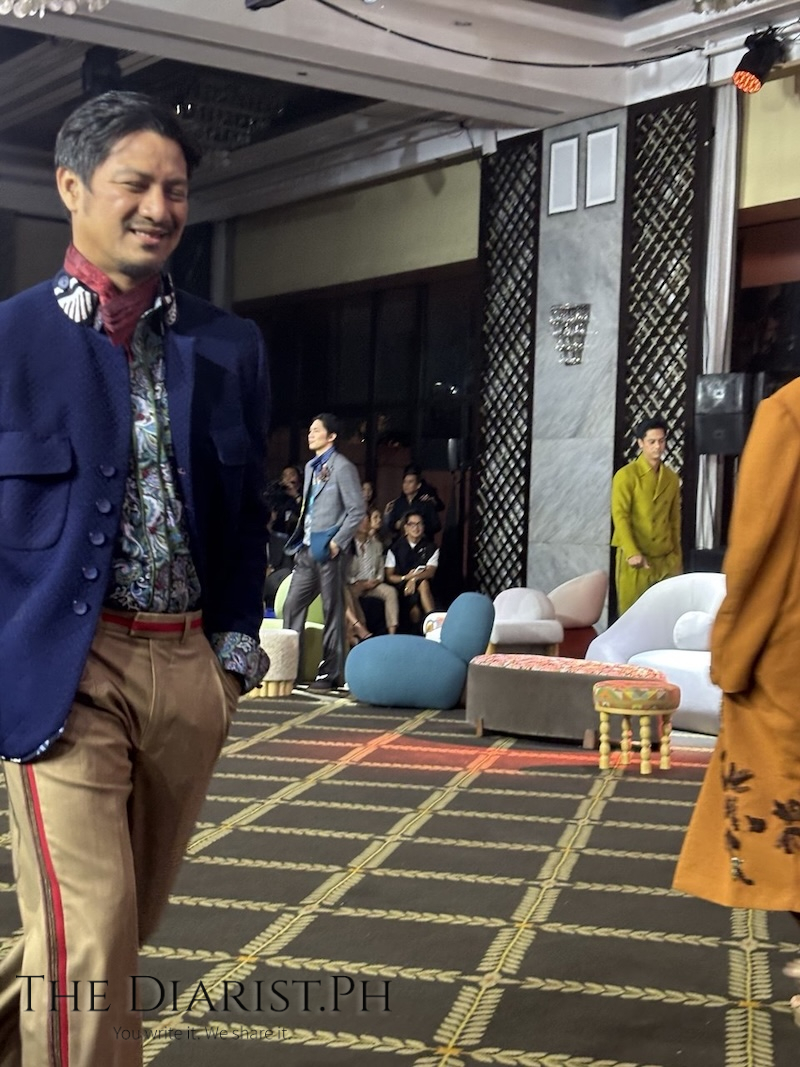
Gary Dulatas for Randy Ortiz
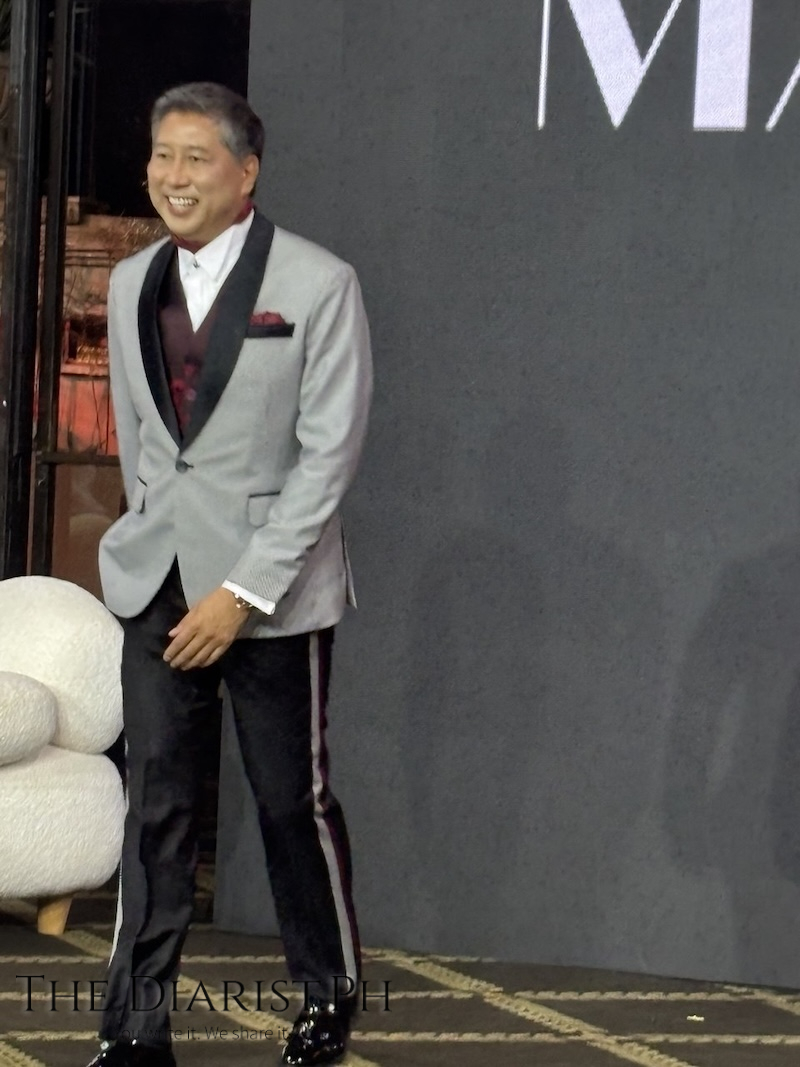
Joel Ortiz for Randy Ortiz
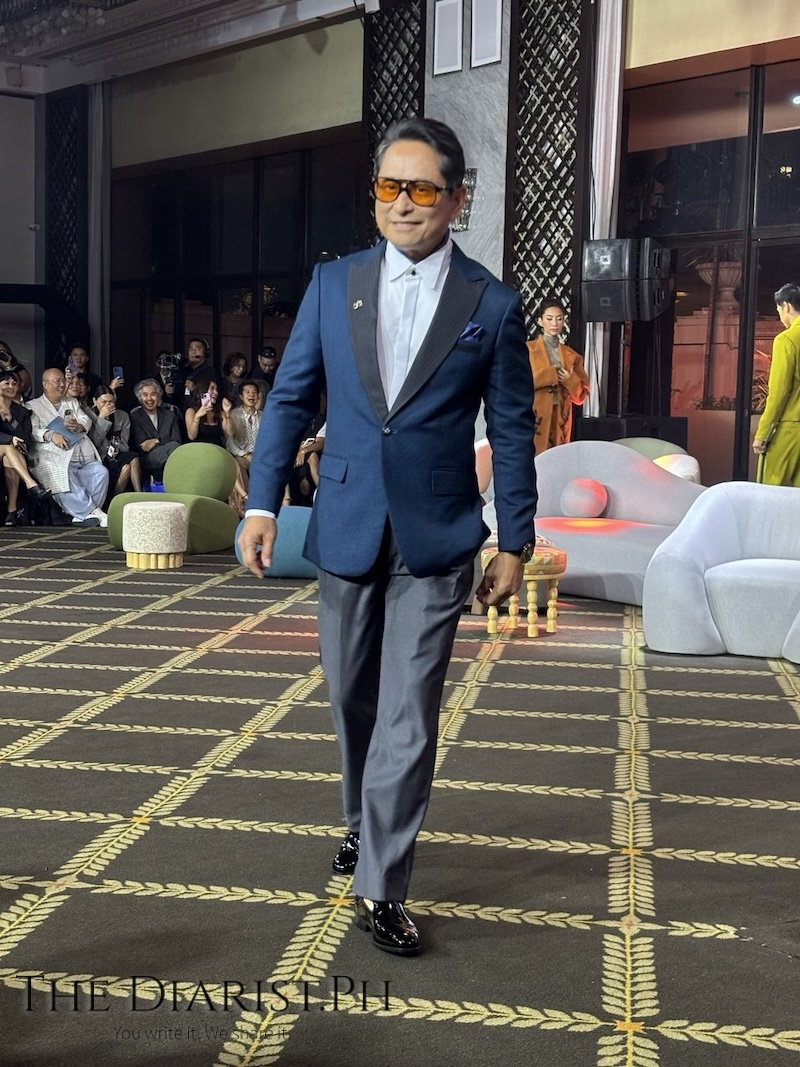
Mike Toledo for Randy Ortiz
Ortiz tapped his longtime celebrity friends and business colleagues to do the runway—the models, his “muses,” he said in his IG post, who have been with him from the start, like Gary Dulatas, Jack de Mesa, Luke Jickain, Raffy Ladao; businessmen Mike Toledo, Gerry Santos, Ron de Castro and Joel Rustia; celebrities John Estrada, Jisoo, and Dr. Hayden Kho. Young models Jej Binay, the son of Junjun, and Rain Antonio, the daughter of Anna Amigo. Tweetie de Leon-Gonzalez’s son Nicolas walked—to the loud applause and cheers of the mom and friends, the Philippine supermodels of their time like Suyenne Chi Sia, Desiree Verdadero Abesamis and husband JB Abesamis, Issa Agana, Tina Maristela Ocampo. (By the way, Tweetie was a very good emcee.)
“Doc Hayden,” 6 ft-plus-tall, strode down in a trench unbuttoned to reveal his bare chest—and six-pack abs. His wife, Dr. Vicki Belo, busy filming him, was telling us that they shouldn’t have made Hayden shave his chest hair. Agree or not—even if he did, he owned the moment anyway.
And Randy Ortiz owned Philippine menswear fashion right that moment.
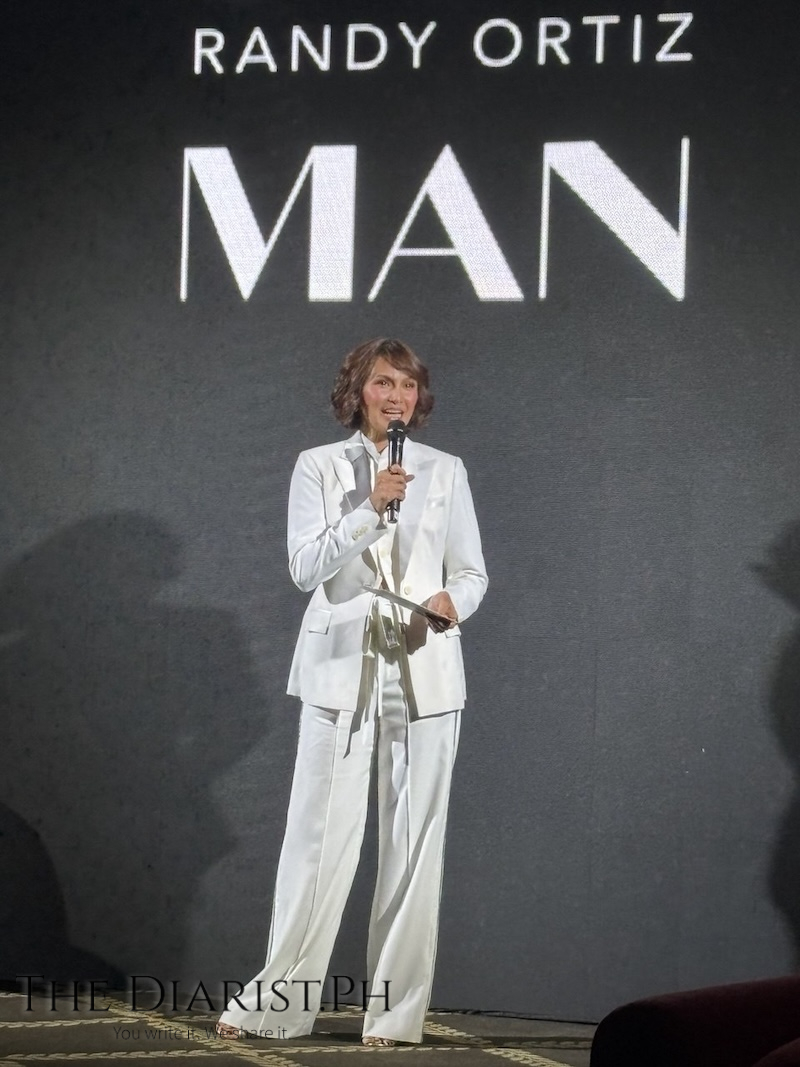
Tweetie de Leon-Gonzalez emcees for friend Randy Ortiz’s show
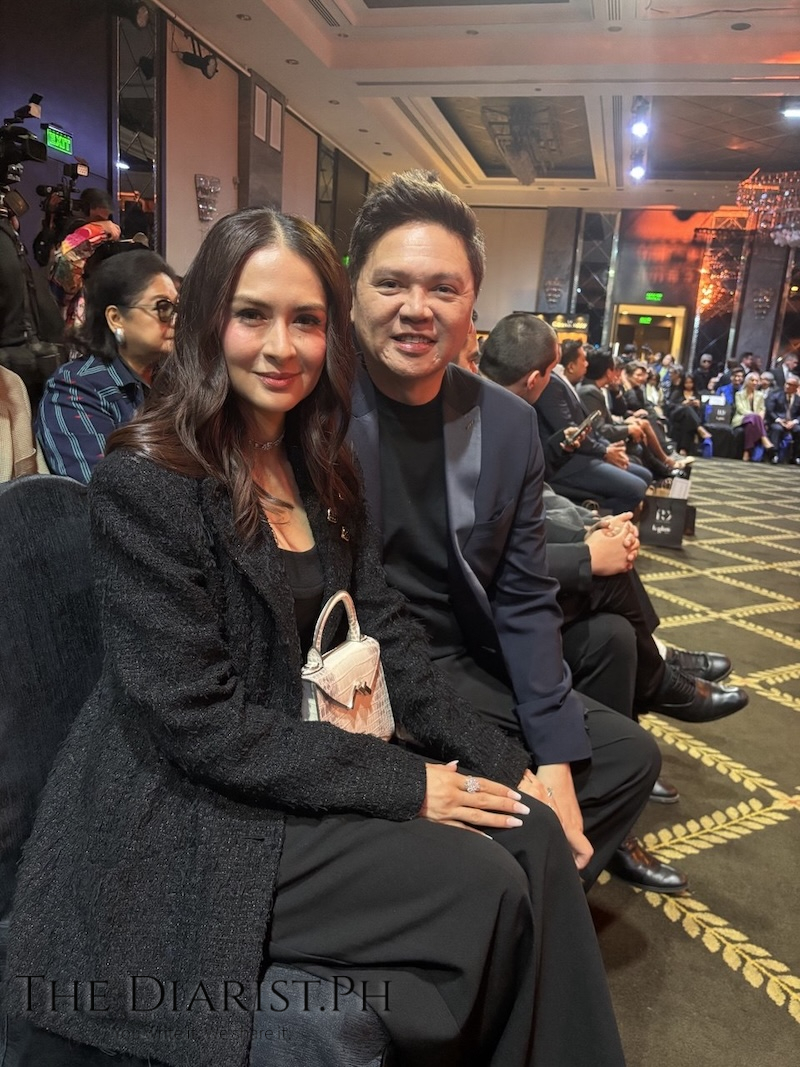
Marian Rivera on front row with Juan Sarte
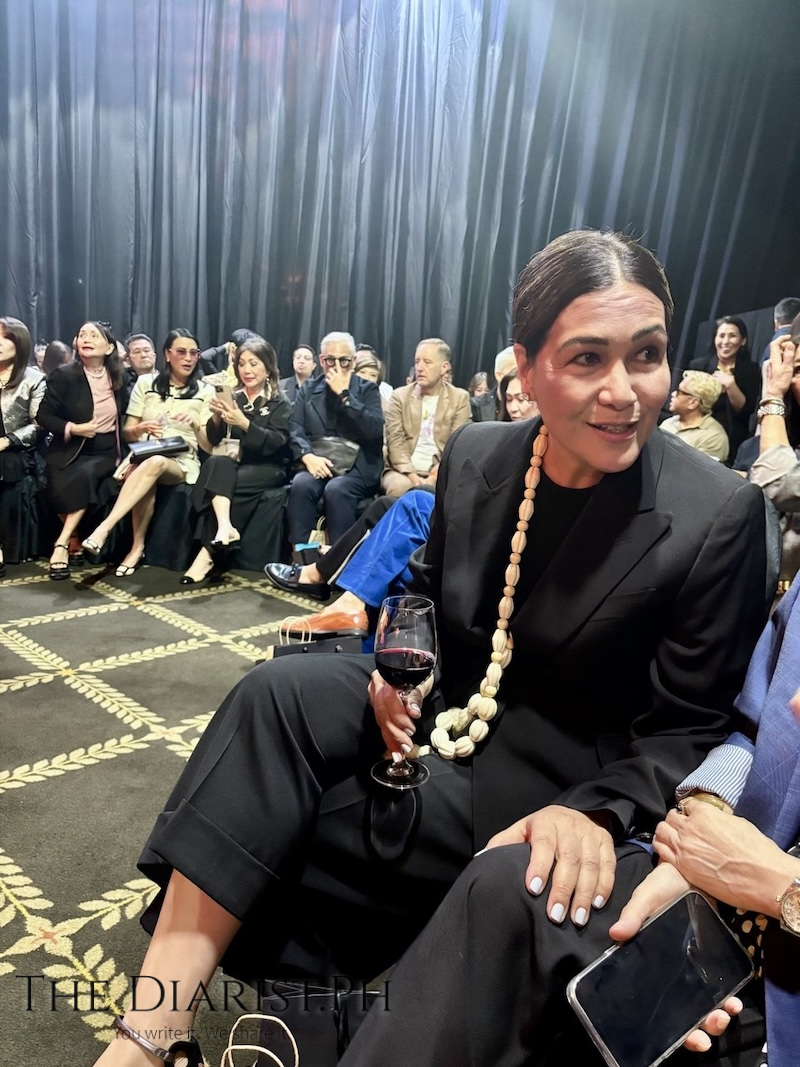
Tina Maristela Ocampo
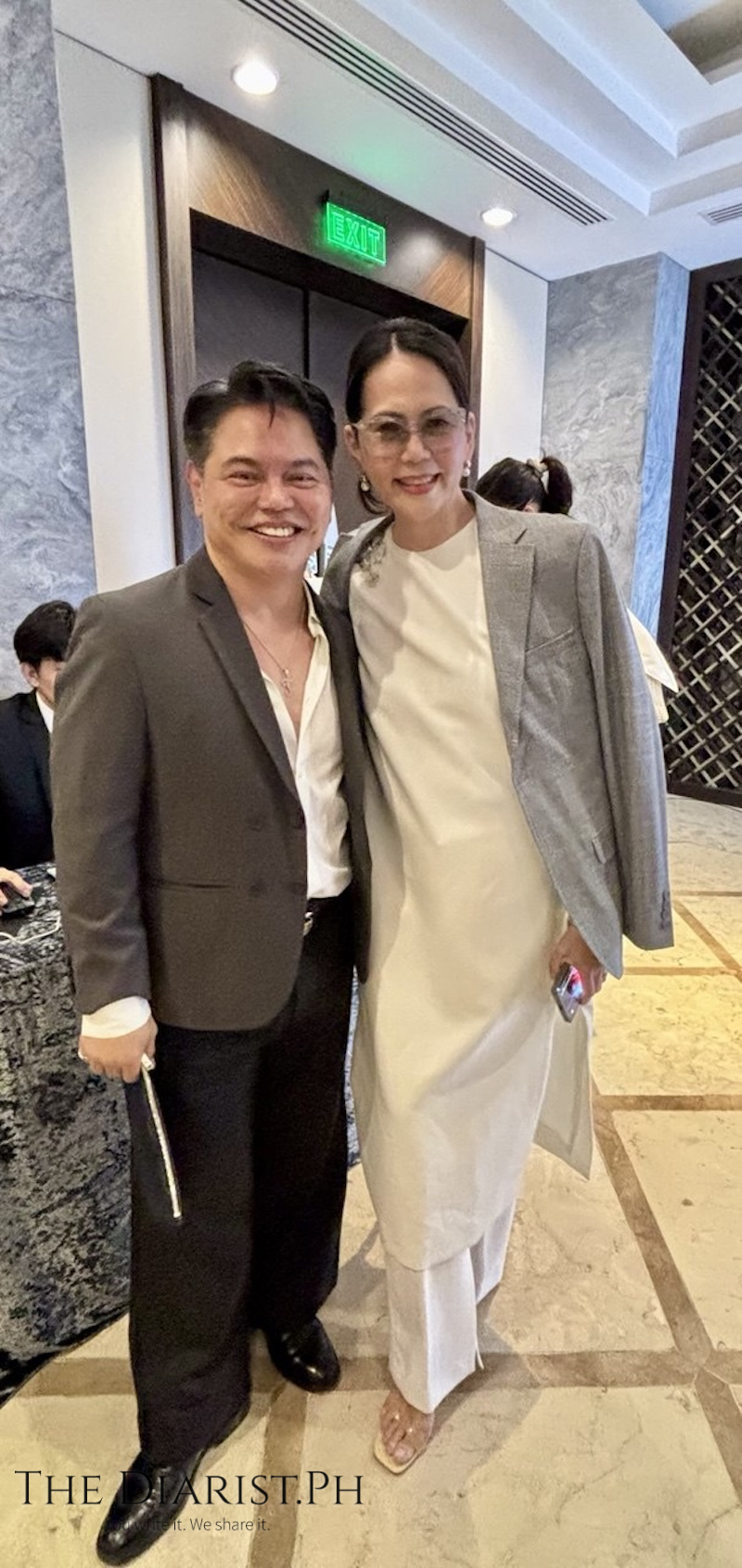
Suyene Chi Sia and Jing Monis after the show


